Wildlife diseases, fueled by various pathogens, can severely threaten species populations. When sick animals spread diseases, it disrupts food webs and alters predator-prey dynamics. This can lead to overgrowth of certain plants and a decline in biodiversity, impacting other animals that rely on those plants. Human activities, like encroachment and domestic animal interactions, further elevate these risks. To understand how these factors come together, keep exploring the connections between wildlife health and ecosystem stability.
Key Takeaways
- Pathogens can cause significant population declines in wildlife, disrupting ecosystem balance and food webs.
- Disease outbreaks in key species lead to overgrowth of certain plants, reducing biodiversity and affecting dependent animal populations.
- Human encroachment increases disease transmission risks between wildlife and domestic animals, exacerbating outbreaks.
- Monitoring and vaccination programs are crucial for protecting vulnerable wildlife and maintaining ecosystem health.
- Technological advancements enhance early detection and management of wildlife diseases, supporting conservation efforts.
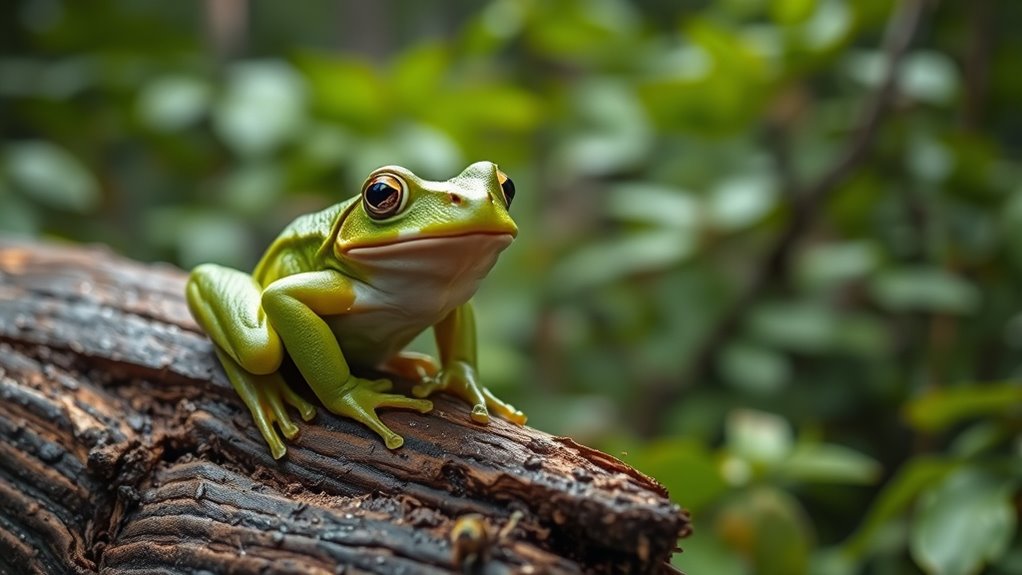
Wildlife Disease
Have you ever wondered how wildlife diseases can impact ecosystems? It’s a complex interplay that poses significant threats to various species and the environments they inhabit. When pathogens spread among wildlife, you’re not just looking at sick animals; you’re witnessing potential shifts in entire ecosystems. Disease transmission can disrupt food webs, alter predator-prey dynamics, and even lead to population declines that ripple through habitats.
Take, for example, a scenario where a contagious disease affects a key species in an ecosystem. Imagine a population of deer succumbing to a viral outbreak. As their numbers dwindle, the plants they typically graze on may flourish uncontrollably, disrupting the balance that’s taken years to establish. This overgrowth can choke out other plant species, reducing overall biodiversity and affecting the animals that depend on those plants for food and shelter. You see, every species has its role, and when one is compromised, the consequences can be far-reaching.
A contagious disease in a key species can disrupt ecosystem balance, leading to biodiversity loss and impacting dependent wildlife.
To combat these threats, conservation strategies are vital. Wildlife managers and conservationists need to monitor disease outbreaks closely, implementing effective measures to contain them and protect vulnerable populations. Vaccination programs, habitat management, and public awareness campaigns are just a few strategies that help mitigate the risks of disease transmission. By proactively addressing these issues, you can contribute to healthier ecosystems and more resilient wildlife populations.
Another essential strategy involves understanding how diseases spread between species. When humans encroach on wildlife habitats, the chances of disease transmission increase. For instance, domestic animals can introduce new pathogens to wild populations, leading to devastating effects. Knowing this, you can appreciate the importance of maintaining a safe distance from wildlife and promoting responsible pet ownership. It’s all about striking a balance between human activity and wildlife conservation. Furthermore, advancements in nanotechnology applications can play a crucial role in developing innovative solutions for monitoring and managing wildlife diseases.
Frequently Asked Questions
How Are Wildlife Diseases Monitored in the Field?
You monitor wildlife diseases in the field through wildlife surveillance and disease sampling. You’ll often collect samples from animals, like blood or tissue, to test for pathogens. Researchers use tracking devices to observe animal behavior and movement patterns, which helps identify potential outbreaks. By collaborating with local agencies and communities, you gather valuable data. Regular monitoring allows you to spot trends and respond quickly, ensuring healthier wildlife populations and ecosystems.
Can Humans Contract Diseases From Wildlife?
Yes, you can contract diseases from wildlife. In fact, about 60% of emerging infectious diseases in humans come from animals, often through zoonotic transmission. Animals serve as disease reservoirs, harboring pathogens that can jump to humans. For example, diseases like rabies or Hantavirus illustrate how close contact with wildlife can pose serious health risks. Being aware of these risks can help you take precautions while enjoying nature and protecting your health.
What Role Do Climate Changes Play in Wildlife Diseases?
Climate changes play a significant role in wildlife diseases by altering habitats and creating conditions that favor disease spread. As temperatures rise and weather patterns shift, animals may migrate to new areas, bringing pathogens with them. You’ll notice that these changes can lead to increased interactions between species, further facilitating disease transmission. It’s essential to understand that the climate impact on wildlife can have profound effects on ecosystems and biodiversity.
How Can We Prevent Wildlife Disease Outbreaks?
To prevent wildlife disease outbreaks, think of it as nurturing a delicate garden. You’ll want to focus on habitat management to make certain healthy ecosystems thrive. This means controlling invasive species and minimizing pollution, creating a robust environment for wildlife. Additionally, employing vaccination strategies can act as a shield, protecting vulnerable species from pathogens. By fostering a balanced habitat and using targeted vaccinations, you’re safeguarding nature’s intricate web before it unravels.
Are There Successful Case Studies in Wildlife Disease Recovery?
Yes, there are successful case studies in wildlife disease recovery. For instance, targeted conservation strategies have led to the eradication of diseases like Rinderpest in African wildlife. By vaccinating populations and implementing strict management practices, you can see significant improvements in species health and numbers. The recovery of the European bison and the Florida panther also showcases how focused efforts can reverse the impacts of disease, ensuring healthier ecosystems.
Conclusion
Wildlife disease is a pressing issue that can lead to devastating declines in species populations. Did you know that infectious diseases are responsible for the extinction of nearly 50% of the species listed as extinct since the 1800s? This staggering statistic highlights just how vital it is to understand and combat these pathogens. By raising awareness and taking action, you can help protect vulnerable species and guarantee that our planet remains a thriving hub of biodiversity.