
Wildlife conservation storybooks can introduce young readers to endangered animals, habitats, and the people working to protect them. My best overall pick is Extreme Planet: Journey Across The Arctic for its child-focused journey through wildlife, seasonal change, and conservation; You Are a Wildlife Warrior! is a strong choice for readers drawn to action, while The Elephant Jungle centers the harder question of how people and wildlife can share space. The main tradeoff is between accessible animal stories and books that offer more detail about conservation work or wildlife management. Age, reading level, and whether the reader prefers a narrative or nonfiction approach can change which book fits best. Read on for the full breakdown and guidance on choosing among all 12.

Get pet supplies delivered free with Prime
- Fast, free delivery on millions of items
- Prime Video, Amazon Music and more included
- Member-only deals all year
Complete the kit



Key Takeaways
- Extreme Planet leads for younger readers who need a story-led introduction to conservation, while Wildlife Conservation Decoded is aimed at readers ready for a more direct explanation of management and biodiversity.
- You Are a Wildlife Warrior! puts action and personal agency at the center; Wildlife Heroes and Wild Lives instead highlight conservationists and their commitments.
- The three Amazing readers focus on individual animals and accessible reading practice, so they suit early readers better than readers seeking broad conservation coverage.
- The Elephant Jungle stands apart for framing conservation through coexistence, a useful angle for discussing the effects of human activity on wildlife.
- The lineup spans young children through older readers, but the books vary in how directly they address conservation; an endangered-animal subject alone does not guarantee a detailed treatment of conservation choices.
| Introduction to Conservation of Wildlife in India |  | Best for Indian Wildlife Context | ASIN: B0DH2XLG5P | Topic: Wildlife conservation in India | Coverage: Species and conservation strategies | VIEW ON AMAZON | See Our Full Breakdown |
| Extreme Planet: Journey Across The Arctic: An Inspiring Book About Wildlife, Seasons, and Conservation for Children (Ages 7-10) |  | Best for Arctic Wildlife | ASIN: 1805078437 | Setting: The Arctic | Topics: Wildlife, seasons, and conservation | VIEW ON AMAZON | See Our Full Breakdown |
| You Are a Wildlife Warrior! Saving Animals & the Planet |  | Best for Taking Action | ASIN: 0593428110 | Topics: Wildlife and planetary conservation | Approach: Simple, actionable conservation steps | VIEW ON AMAZON | See Our Full Breakdown |
| Wildlife Conservation Decoded: How Anyone Can Unlock the Secrets of Wildlife Management and Biodiversity, Even Without a Science Background |  | Best for Beginner-Friendly Concepts | ASIN: B0D1LL22FW | Topics: Wildlife management and biodiversity | Intended background: Readers without a science background | VIEW ON AMAZON | See Our Full Breakdown |
| Wildlife Heroes: 40 Leading Conservationists and the Animals They Are Committed to Saving |  | Best for Real-Life Conservation Stories | ASIN: 0762443197 | Profile count: 40 conservationists | Coverage: Conservationists and the animals they aim to save | VIEW ON AMAZON | See Our Full Breakdown |
| Two in the Far North, Revised Edition: A Conservation Champion’s Story of Life, Love, and Adventure in the Wilderness |  | Best for Wilderness Memoir | Format: Memoir | Edition: Revised Edition | Setting: The Far North | VIEW ON AMAZON | See Our Full Breakdown |
| Wildlife Conservation: Animal Book for Ages 10+ |  | Best for Conservation Basics | Category: Educational children’s book | Subject: Wildlife conservation and animal facts | Age range: 10+ | VIEW ON AMAZON | See Our Full Breakdown |
| Wild Lives: Leading Conservationists on the Animals and the Planet They Love |  | Best for Conservationist Perspectives | Format: Conservationist perspectives | Subject: Animals and environmental preservation | Scope: Wildlife and ecosystems around the world | VIEW ON AMAZON | See Our Full Breakdown |
| Amazing Tigers!: A Wildlife Conservation Society Book About Endangered Animals for Kids (Ages 4–8) (I Can Read Level 2) |  | Best for Early Tiger Readers | Age range: 4–8 years | Reading level: I Can Read Level 2 | Featured animal: Tigers | VIEW ON AMAZON | See Our Full Breakdown |
| Amazing Dolphins!: An I Can Read Book About Friendly Animals That Whistle and Live in Rivers for Kids (Ages 4-8) | 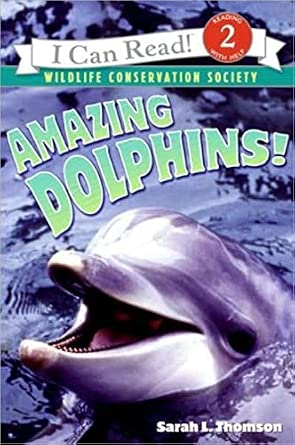 | Best for Young Dolphin Fans | Age range: 4–8 years | Book type: I Can Read book | Featured animal: Dolphins | VIEW ON AMAZON | See Our Full Breakdown |
| The Elephant Jungle: A Story of Conservation and Coexistence |  | Best for Human-Wildlife Coexistence | Subject: Elephant conservation | Theme: Human-wildlife coexistence | Additional focus: Natural behaviors of elephants | VIEW ON AMAZON | See Our Full Breakdown |
| Amazing Sharks!: A Level 2 Science Reader About Ocean Wildlife for Kids |  | Best for Early Independent Readers | Subject: Sharks and ocean wildlife | Book type: Science reader | Reading level: Level 2 | VIEW ON AMAZON | See Our Full Breakdown |
| wildlife conservation storybook | ASIN |
|---|---|
| Introduction to Conservation o | B0DH2XLG5P |
| Extreme Planet: Journey Across | 1805078437 |
| You Are a Wildlife Warrior! Sa | 0593428110 |
| Wildlife Conservation Decoded: | B0D1LL22FW |
| Wildlife Heroes: 40 Leading Co | 0762443197 |
| Two in the Far North | — |
| Wildlife Conservation: Animal | — |
| Wild Lives: Leading Conservati | — |
| Amazing Tigers!: A Wildlife Co | — |
| Amazing Dolphins!: An I Can Re | — |
| The Elephant Jungle: A Story o | — |
| Amazing Sharks!: A Level 2 Sci | 0060544562 |
More Details on Our Top Picks
Introduction to Conservation of Wildlife in India
A regional conservation overview gives this book a distinct place in a storybook roundup: it focuses on wildlife and conservation efforts in India, while Wildlife Heroes takes a global, people-centered approach. Its coverage of species and recent conservation strategies may suit students and curious readers who want context beyond a single animal story. The tradeoff is that the description promises an overview, not detailed case studies, so readers looking for a narrative built around individual communities or animals may find less to follow. Compared with You Are a Wildlife Warrior!, which emphasizes personal action, this title appears more suited to learning about conservation as a field. The supplied information does not identify age level, illustrations, or a specific storytelling format, so I would choose it for subject interest rather than assume it is a read-aloud picture book.
Pros:- Covers wildlife conservation efforts in India
- Discusses multiple species and conservation strategies
- Includes recent conservation strategies according to the description
Cons:- The overview reportedly lacks detailed case studies
- The supplied details do not establish its age range or storybook format
Best for: Students and conservation-minded readers seeking an introductory account of wildlife protection efforts in India
Not ideal for: Families seeking an illustrated, age-labeled animal narrative or readers who need detailed conservation case studies
- ASIN:B0DH2XLG5P
- Topic:Wildlife conservation in India
- Coverage:Species and conservation strategies
- Strategy focus:Recent conservation strategies
- Intended readers:Students, researchers, and conservation enthusiasts
- Case studies:Description says detailed case studies are lacking
Our verdict“Choose this for a broad introduction to Indian wildlife conservation, especially when regional context matters more than a character-led story.”
Extreme Planet: Journey Across The Arctic: An Inspiring Book About Wildlife, Seasons, and Conservation for Children (Ages 7-10)
The Arctic setting makes this the clearest choice here for children drawn to polar animals and changing seasons. For ages 7–10, the journey format links wildlife to the environment it depends on, giving conservation a place in the story rather than presenting it only as advice. That focus separates it from Amazing Tigers!, which is aimed at younger readers and a single species, and from You Are a Wildlife Warrior!, which centers on actions readers can take. The tradeoff is that the supplied description gives few details about specific animals, story structure, or activities, so buyers cannot tell how much factual depth or hands-on guidance it includes. I would pick it for a child interested in the Arctic; readers wanting a broader global tour or practical conservation steps may prefer the other titles.
Pros:- A clear Arctic setting gives the conservation theme a focused habitat
- Connects wildlife with seasonal changes
- Designed for children ages 7–10
- Uses an inspiring journey premise to introduce conservation
Cons:- The supplied description does not name the featured species
- Details about story format and conservation activities are limited
Best for: Children ages 7–10 who are curious about Arctic wildlife, seasonal change, and protecting polar habitats
Not ideal for: Readers seeking a global range of habitats, detailed species information, or explicit conservation activities
- ASIN:1805078437
- Setting:The Arctic
- Topics:Wildlife, seasons, and conservation
- Intended age:7–10
- Format described:Journey across the Arctic
- Conservation focus:Protecting polar regions
Our verdict“Pick this for an Arctic-focused read for ages 7–10, but choose a broader or more action-oriented title if that is the child’s main interest.”
You Are a Wildlife Warrior! Saving Animals & the Planet
Practical steps for readers are the point of difference here: this guide aims to turn concern for animals into simple ways to help protect wildlife and habitats. That makes it a stronger fit for families who want a conversation to lead into action than Wildlife Heroes, whose profiles spotlight conservationists’ work, or Extreme Planet, which anchors its lesson in the Arctic. The description also presents it as accessible to children and adults, so families can read and discuss it together. Its tradeoff is breadth versus depth: advanced readers may want more science, and the supplied details do not specify an age band or the actual activities included. Compared with the more region-specific Introduction to Conservation of Wildlife in India, this title appears less focused on one place and more focused on what an individual reader can do.
Pros:- Explains conservation advice in an accessible way
- Encourages readers to take action for animals and habitats
- Description presents it as suitable for children and adults
- Uses an uplifting tone to support continued learning
Cons:- May not provide enough scientific depth for advanced readers
- The supplied details do not specify an age band or the individual actions covered
Best for: Families and young readers who want approachable ideas for helping wildlife and protecting habitats
Not ideal for: Advanced readers seeking scientific depth or buyers who need a clearly specified age range and activity list
- ASIN:0593428110
- Topics:Wildlife and planetary conservation
- Approach:Simple, actionable conservation steps
- Audience described:Children and adults
- Tone described:Engaging and uplifting
- Depth limitation:May lack detailed scientific depth for advanced readers
Our verdict“Choose this for an accessible, action-focused family read; readers seeking deeper science or a place-based story should look elsewhere in the roundup.”
Wildlife Conservation Decoded: How Anyone Can Unlock the Secrets of Wildlife Management and Biodiversity, Even Without a Science Background
Accessible explanations of management and biodiversity set this book apart from the more story-led choices in the lineup. It is aimed at readers without a science background, making it a possible next step for someone who wants to understand how conservation is organized, rather than follow one animal’s journey. Compared with You Are a Wildlife Warrior!, which emphasizes everyday actions, this title appears to give more space to wildlife management concepts; compared with Wildlife Heroes, it offers broad subject matter rather than profiles of individuals. That wider scope comes with a tradeoff: the description notes limited technical detail and does not mention specific case studies. It also gives no age range or information about illustrations, so I would treat it as an introductory explainer rather than assume it will work as a children’s storybook.
Pros:- Explains wildlife management for readers without a science background
- Covers biodiversity alongside conservation
- Offers practical strategies according to the description
Cons:- Description indicates limited technical detail
- No specific case studies are mentioned
- The supplied details do not identify an age range or story format
Best for: Adult beginners or older students who want an approachable introduction to wildlife management and biodiversity
Not ideal for: Readers seeking a child-focused illustrated story, advanced technical material, or detailed real-world case studies
- ASIN:B0D1LL22FW
- Topics:Wildlife management and biodiversity
- Intended background:Readers without a science background
- Approach:Accessible explanations
- Practical content:Conservation tips and strategies
- Case studies:None specifically mentioned
Our verdict“Choose this as an approachable concept primer, not as a richly detailed or clearly child-focused conservation story.”
Wildlife Heroes: 40 Leading Conservationists and the Animals They Are Committed to Saving
Forty conservationist profiles give this collection a human-led way into wildlife protection: readers can see who works on conservation and which animals their efforts support. The described vivid photography adds visual context, distinguishing it from the concept-focused Wildlife Conservation Decoded and the Arctic journey in Extreme Planet. Its global range also offers more variety than Introduction to Conservation of Wildlife in India, which concentrates on one country. The main tradeoff is depth: with many profiles in one collection, each account may be brief, so readers wanting a sustained biography or a close look at one conservation project may need another book. The description does not give an age range, so I would choose it for readers interested in real people and wildlife stories, while checking the format suits the intended reader.
Pros:- Profiles 40 conservationists and the animals they work to protect
- Represents conservation efforts around the globe
- Includes vivid photography of animals and habitats
Cons:- Individual profiles may offer only brief overviews
- The supplied details do not specify an age range
- Readers focused on one species or project may find the collection broad
Best for: Readers who want a visually supported collection of real conservationist stories from around the world
Not ideal for: Readers seeking an in-depth biography, detailed project case studies, or a confirmed age-specific storybook
- ASIN:0762443197
- Profile count:40 conservationists
- Coverage:Conservationists and the animals they aim to save
- Geographic scope:Global conservation efforts
- Visual content:Photography of animals and habitats
- Profile depth:May provide brief overviews
Our verdict“Choose this for a photo-supported sampler of real conservation work, while readers wanting deep coverage of one story should choose a narrower book.”
Two in the Far North, Revised Edition: A Conservation Champion’s Story of Life, Love, and Adventure in the Wilderness
Two in the Far North brings conservation into a personal wilderness memoir, following experiences of life and adventure in the remote Far North. That makes it a different choice from Wild Lives, which gathers perspectives from multiple conservationists, and from the child-focused Amazing Tigers!. I’d choose this for readers who want conservation tied to a lived story rather than an introductory animal reader. Its memoir format can make remote environments and conservation feel personal, though the available description does not identify particular animals, conservation campaigns, or the book’s reading level. That leaves less detail for buyers choosing a book around a specific species or age. It is the strongest fit here for an adult or older reader drawn to wilderness life, with a narrower conservation focus than a broad guide.
Pros:- Connects conservation themes to personal experiences in remote wilderness
- Emphasizes life and adventure in the Far North
- Memoir format offers a personal alternative to the expert perspectives in Wild Lives
Cons:- The supplied description does not identify specific animals or conservation efforts
- No age range or reading level is provided, making child suitability hard to judge
Best for: Adult readers and older teens seeking a personal wilderness memoir with conservation themes
Not ideal for: Parents choosing a clearly age-labeled picture book or a species-specific introduction for young children
- Format:Memoir
- Edition:Revised Edition
- Setting:The Far North
- Themes:Life, love, adventure, wilderness, and conservation
- Intended audience:Not specified
- Reading level:Not specified
Our verdict“Choose this memoir if you want a personal account of wilderness life and conservation rather than a young-reader animal book.”
Wildlife Conservation: Animal Book for Ages 10+
Wildlife Conservation: Animal Book for Ages 10+ is the clearest fit for readers seeking a general introduction to protecting wildlife, with animal facts alongside conservation awareness. Its stated age threshold gives families a more direct starting point than Two in the Far North, whose description does not specify a reading age. Compared with the early-reader focus of Amazing Tigers!, this title is aimed at older children and is described as covering wildlife conservation broadly rather than one featured animal. The tradeoff is that the available information does not name its topics, explain its approach, or confirm whether it uses illustrations. I’d shortlist it for a child ready for a broad conservation-themed animal book, while checking the contents if a particular species or learning format matters.
Pros:- Explicitly intended for ages 10 and up
- Pairs animal facts with wildlife conservation awareness
- Broad subject offers a different focus from the tiger-specific Amazing Tigers!
Cons:- The supplied description does not detail the animals or conservation topics covered
- Illustrations and reading format are not specified
Best for: Families seeking a general animal and conservation introduction for readers aged 10 and up
Not ideal for: Caregivers looking for a specified reading level, confirmed illustrations, or a book focused on one animal
- Category:Educational children’s book
- Subject:Wildlife conservation and animal facts
- Age range:10+
- Focus:Protecting wildlife
- Reading level:Not specified
- Illustrations:Not specified
Our verdict“Pick this for an age-labeled, broad conservation introduction for children 10 and up, provided you do not need detailed content information in advance.”
Wild Lives: Leading Conservationists on the Animals and the Planet They Love
Wild Lives stands apart by centering the people working to protect animals and the planet. The supplied description presents insights from leading conservationists and conservation efforts across wildlife and ecosystems, giving it a broader human and environmental angle than the animal-first Wildlife Conservation: Animal Book for Ages 10+. It also offers a different kind of reading from Two in the Far North: this title gathers conservationist perspectives rather than following one memoir’s wilderness experiences. That breadth may suit readers curious about the work and motivation behind conservation, but the available details do not name contributors, locations, or specific projects. With no age guidance provided, I’d favor it for environmentally engaged older readers who want perspectives on conservation work, not for a buyer seeking a clearly leveled book for a child.
Pros:- Centers insights from leading conservationists
- Addresses both animals and environmental preservation
- Offers a broader ecosystem perspective than the tiger-focused Amazing Tigers!
Cons:- The supplied description does not name contributors or the conservation projects discussed
- No age range or reading level is provided
Best for: Older readers and environmental enthusiasts interested in conservationists’ perspectives on animals and ecosystems
Not ideal for: Buyers seeking an age-labeled children’s reader or a detailed account of a named species or project
- Format:Conservationist perspectives
- Subject:Animals and environmental preservation
- Scope:Wildlife and ecosystems around the world
- Contributors:Leading conservationists
- Age range:Not specified
- Reading level:Not specified
Our verdict“Choose this for a broad look at conservationists and the animals and ecosystems they work to protect.”
Amazing Tigers!: A Wildlife Conservation Society Book About Endangered Animals for Kids (Ages 4–8) (I Can Read Level 2)
Amazing Tigers! pairs a focused endangered-animal subject with a clear early-reader signal: ages 4–8 and I Can Read Level 2. Those details make it easier to match to a young reader than Wildlife Conservation: Animal Book for Ages 10+, while the tiger focus gives it a narrower entry point than a general animal book. Its Wildlife Conservation Society connection also places the title explicitly within a conservation context. The tradeoff is that a single featured animal may offer less range for children seeking varied species or broader ecosystem themes, which Amazing Dolphins! approaches through a different animal. I’d pick this for a child building reading confidence who is interested in tigers; older readers wanting more expansive conservation coverage should look elsewhere.
Pros:- Specifies an age range of 4–8 years
- I Can Read Level 2 gives families a clear reading-level reference
- Focuses on tigers and endangered animals
- Published in connection with the Wildlife Conservation Society
Cons:- The tiger-centered subject offers a narrower scope than a general conservation book
- The supplied information does not specify conservation topics beyond endangered animals
Best for: Beginning readers ages 4–8 who are interested in tigers and endangered animals
Not ideal for: Older children seeking broad coverage of conservation methods, habitats, or many species
- Age range:4–8 years
- Reading level:I Can Read Level 2
- Featured animal:Tigers
- Additional subject:Endangered animals
- Publisher/organization:Wildlife Conservation Society
- Series type:I Can Read
Our verdict“Choose this for a young reader ready for a level 2 book about tigers and endangered animals.”
Amazing Dolphins!: An I Can Read Book About Friendly Animals That Whistle and Live in Rivers for Kids (Ages 4-8)
Amazing Dolphins! gives young readers a distinctive animal hook: dolphins that whistle and live in rivers, with simple text and engaging illustrations described in the supplied product information. Its ages 4–8 audience overlaps with Amazing Tigers!, so the deciding factor is the child’s interest in river dolphins versus tigers and endangered animals. The title is described as an I Can Read book, but no level is supplied, unlike Amazing Tigers! with its Level 2 designation. That makes the reading match less precise for families choosing by level. The description also does not specify conservation coverage, so its fit for this roundup rests on wildlife learning rather than a confirmed account of conservation efforts. I’d choose it for a young animal fan who values accessible reading and illustrations, while checking the text level first.
Pros:- Ages 4–8 audience is stated
- Introduces distinctive details about whistling and river habitats
- Simple text is described as suitable for young readers
- Illustrations are described as part of the book
Cons:- The supplied description does not specify conservation efforts or endangered-species coverage
- No specific I Can Read level is provided
- Limited information makes it difficult to judge suitability for readers beyond the stated age group
Best for: Children ages 4–8 who are drawn to dolphins and benefit from simple text and illustrations
Not ideal for: Families prioritizing explicit conservation coverage or a confirmed I Can Read level
- Age range:4–8 years
- Book type:I Can Read book
- Featured animal:Dolphins
- Habitat detail:Rivers
- Animal behavior detail:Whistling
- Text style:Simple text
- Illustrations:Described as included
Our verdict“Choose this for an illustrated, accessible dolphin book for ages 4–8, while confirming the reading level if that matters to your child.”
The Elephant Jungle: A Story of Conservation and Coexistence
Human-elephant coexistence gives this book a distinct place among the roundup’s conservation stories: it connects protecting a species with the challenges people and wildlife face sharing a landscape. Compared with Extreme Planet: Journey Across The Arctic, which centers on wildlife, seasons, and a particular environment, this title focuses on the relationship between conservation and everyday coexistence. That makes it a better fit for readers drawn to the human side of wildlife protection. The description promises engaging storytelling and insight into elephant behavior, but offers no age guidance or format details, so it is harder to match to a child’s reading level. It also lacks visuals and detailed technical information, making it less suited to readers who want an illustrated, fact-heavy introduction.
Pros:- Centers elephant conservation and human-wildlife coexistence
- Connects conservation challenges with natural elephant behavior
- Offers a story-led alternative to the roundup’s broader wildlife titles
Cons:- No accompanying visuals or illustrations are listed
- Description notes that it lacks detailed technical information
- No reading level or age range is provided
Best for: Readers looking for a story about elephant conservation that also raises questions about people and wildlife sharing space.
Not ideal for: Children who rely on illustrations, or readers seeking detailed scientific explanations and clearly stated age or reading-level guidance.
- Subject:Elephant conservation
- Theme:Human-wildlife coexistence
- Additional focus:Natural behaviors of elephants
- Format:Storybook
- Illustrations:None listed
- Technical detail:Description says detailed technical information is lacking
Our verdict“Choose this for a story-led look at elephant conservation and coexistence, but skip it if you need illustrations or detailed facts.”
Amazing Sharks!: A Level 2 Science Reader About Ocean Wildlife for Kids
Level 2 reading support is the clearest reason to choose this title: it introduces sharks and ocean wildlife for children ages 4–8 who are beginning to read on their own. Compared with Amazing Tigers!, another Level 2 reader in the roundup, this book shifts the focus from endangered land animals to sharks and ocean life. That makes it a natural match for a child currently curious about the sea. Its science-reader framing can introduce wildlife facts in an accessible format, though the supplied description does not specify conservation coverage, illustrations, or particular shark species. Readers seeking a sustained conservation story may prefer a title with an explicit conservation focus, such as The Elephant Jungle; this one is better understood as an entry point to ocean wildlife than as a detailed account of protection efforts.
Pros:- Level 2 designation helps families choose for early independent reading
- Introduces sharks alongside broader ocean wildlife
- Age range of 4–8 gives caregivers a clear audience guide
Cons:- Description does not establish how much it covers conservation
- No specific shark species or science topics are listed
- No format or illustration details are provided
Best for: Children ages 4–8 who are starting to read independently and want an accessible introduction to sharks and ocean wildlife.
Not ideal for: Families specifically seeking a developed conservation narrative or detailed information about shark protection, since those details are not specified.
- Subject:Sharks and ocean wildlife
- Book type:Science reader
- Reading level:Level 2
- Age range:4–8
- Intended audience:Young readers
- ASIN:0060544562
Our verdict“Pick this for a young reader ready for a Level 2 introduction to sharks, but choose a more explicitly conservation-focused book for protection stories.”

How We Picked
I compared the books by how clearly they connect wildlife to conservation, how accessible their format appears for the stated audience, and what kind of reading experience they offer. I also looked at whether each title emphasizes an animal, a habitat, a conservationist, or practical wildlife management, since those differences shape what a reader can take away.
The ranking gives priority to books that combine an inviting entry point with a clear conservation thread. Titles for very early readers remain valuable for their age group, but their narrow animal focus places them below broader story-led choices for this roundup. More specialized management and conservationist titles rise for readers seeking depth, while their heavier subject matter makes them less suitable as a first wildlife story.
Factors to Consider When Choosing Wildlife Conservation Storybooks
Before choosing a wildlife conservation storybook, match the reader’s age and interests with the kind of conservation conversation you want the book to start. A clear fit on reading level and subject can matter more than how many species a title covers.
Match the Reading Level to the Reader
Age labels give a starting point, but confidence and reading stamina matter too. A beginning reader may get more from a short, focused animal reader than from a book with broader conservation themes and denser language. On the other hand, an older child who already enjoys animal facts may find a very simple reader limiting. When buying for a shared read, consider whether an adult will be reading aloud or the child will read independently. A mismatch can make a worthy subject feel like homework, so use the format and stated audience together rather than relying on age alone.
Choose Between a Story and an Explanation
Story-led books can help readers care about a place or animal before discussing threats and solutions. More explanatory books may answer direct questions about biodiversity, management, or the work conservation requires. A common mistake is expecting a simple animal story to teach policy or habitat science in depth. If the goal is an easy first conversation, favor an accessible narrative; if the reader is already asking how conservation works, seek a more direct treatment. Some families may pair both approaches, using a story to build interest and an informational title to extend it.
Look for the Conservation Connection
A book about wildlife is not automatically a book about conservation. Check whether the description points to habitats, endangered species, human impacts, protection efforts, or coexistence. Titles centered on a single animal can be a good way to hold a young reader’s attention, but the conservation context may be narrower. Books about conservationists or wildlife management may cover people and decisions more directly. Think about the conversation you want after reading: animal recognition, empathy, habitat awareness, or a better grasp of conservation work.
Consider the Reader’s Preferred Point of View
Some readers connect most easily with a journey through a landscape, while others prefer profiles of real people or a close focus on one animal. A conservation champion’s story can make the human commitment memorable, though it may spend less time surveying different species. A collection of conservationists offers several perspectives but may feel less like one continuous story. For a child who wants one clear narrative arc, a focused story may work better. For a reader who likes browsing short profiles and comparing approaches, a multi-person format can sustain interest.
Treat Coexistence as a Distinct Theme
Conservation books vary in whether they present protection as setting aside habitat, changing human behavior, or finding ways for people and animals to share landscapes. Coexistence can lead to useful family discussions about competing needs and practical compromises. It may also feel more complex than a simple rescue story because solutions can involve communities as well as wildlife. If the reader is ready to explore tradeoffs, choose a title that makes human-wildlife relationships central. For a very young reader, a more focused animal story may provide a gentler starting point.
Decide How Much Breadth You Want
A book focused on one species or region can make details easier to remember, while a wider collection can introduce readers to more conservation roles and concerns. Breadth does not always mean greater depth, and a narrow topic can still open the door to meaningful questions. Consider whether the book is a one-time gift or part of ongoing reading about wildlife. If it needs to support follow-up learning, look for a subject that naturally connects to library books, local habitats, or classroom topics. Choosing scope intentionally helps avoid expecting one title to cover every animal, threat, and solution.
Frequently Asked Questions
Which book is the better first choice for a child new to wildlife conservation?
For a child who enjoys a story, Extreme Planet: Journey Across The Arctic offers an accessible route into wildlife and conservation themes. A beginning reader who wants to read independently may be better served by one of the age-targeted Amazing readers. The right starting point depends on whether the child needs a story read aloud or a manageable book to tackle alone. If they are already curious about taking action, You Are a Wildlife Warrior! offers a more agency-focused angle.
Are the Amazing readers detailed enough to teach conservation?
They are best approached as focused introductions to animals and early reading, rather than as complete guides to conservation. Their narrow subjects can help younger readers remember a particular species and build interest. If you want to discuss habitat loss, management choices, or conservation careers, plan to add another book or conversation. Pairing a simple reader with a broader title can build knowledge without asking an early reader to manage dense material alone.
Which title is most useful for explaining what conservationists do?
Wildlife Heroes and Wild Lives both foreground conservationists and the animals they care about, making them natural choices for readers interested in the people behind protection work. Wildlife Conservation Decoded takes a more explanatory route into management and biodiversity. The best fit depends on whether the reader is more drawn to personal stories or to how conservation systems work. These choices may suit older or more independent readers better than a very young child seeking a simple animal tale.
Should I choose a book about one animal or a broader conservation title?
A one-animal book can make a strong first impression and suit a child with a clear favorite. A broader title may be more useful when the reader wants to compare species, habitats, or conservation approaches. Neither format is automatically better: focused books can trade breadth for a memorable subject, while broad ones may offer less detail on each animal. Consider the reader’s current interest and whether you want to build on that interest or introduce new conservation topics.
Is a conservationist’s memoir a good gift for a young animal lover?
It can be a strong gift for an older reader who enjoys real-life adventure and wants to see how people commit to protecting wildlife. A memoir or conservationist-focused book may offer a different pace from a picture-led or early reader title, so check the intended audience and reading style first. For a younger child, an adult may need to read together and explain unfamiliar context. If the recipient mainly wants animal facts or a short independent read, a focused children’s reader may fit better.
Conclusion
For the strongest all-around entry into wildlife conservation, I recommend Extreme Planet: Journey Across The Arctic, which connects a child-friendly journey with wildlife, seasons, and conservation. You Are a Wildlife Warrior! is my value-minded pick for readers who respond to personal agency, while Wildlife Heroes is the premium choice for readers interested in conservationists and their work. For beginners reading independently, start with an age-matched Amazing reader; for readers seeking more subject depth, choose Wildlife Conservation Decoded. If coexistence is the specific topic you want to explore, The Elephant Jungle is the clearest fit. Choose by reading readiness and the kind of conservation question you want the book to raise.
Fall Picks
fall essentials
As an affiliate, we earn on qualifying purchases.