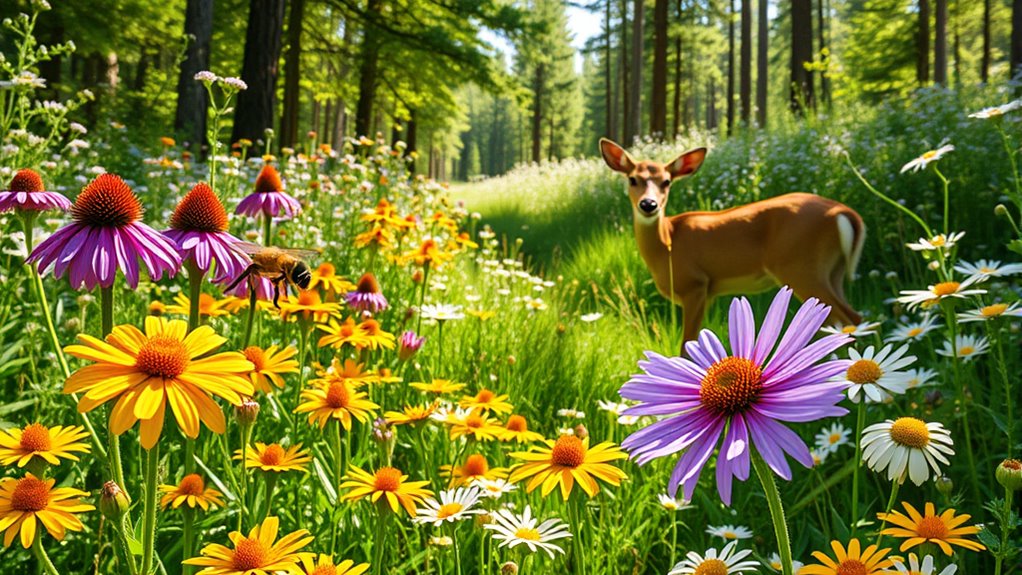

Wildflower corridors help create vibrant, connected habitats where bees, deer, and other wildlife can coexist and thrive. These corridors provide essential food sources like nectar and browse, while offering safe pathways for animals to move across fragmented landscapes. By linking natural areas, they support pollinator health and enhance ecosystem resilience. If you want to discover how these corridors foster even broader ecological benefits, there’s more to explore.
Key Takeaways
- Wildflower corridors provide essential food sources for both pollinators like bees and herbivores like deer.
- These corridors enhance habitat connectivity, supporting diverse species including bees and deer across fragmented landscapes.
- Native plantings in corridors attract pollinators and offer shelter and forage for deer, promoting their health and survival.
- By linking habitats, corridors help maintain ecological balance, benefiting multiple species simultaneously.
- Healthy pollinator populations support plant regeneration, which in turn benefits deer through improved food availability.
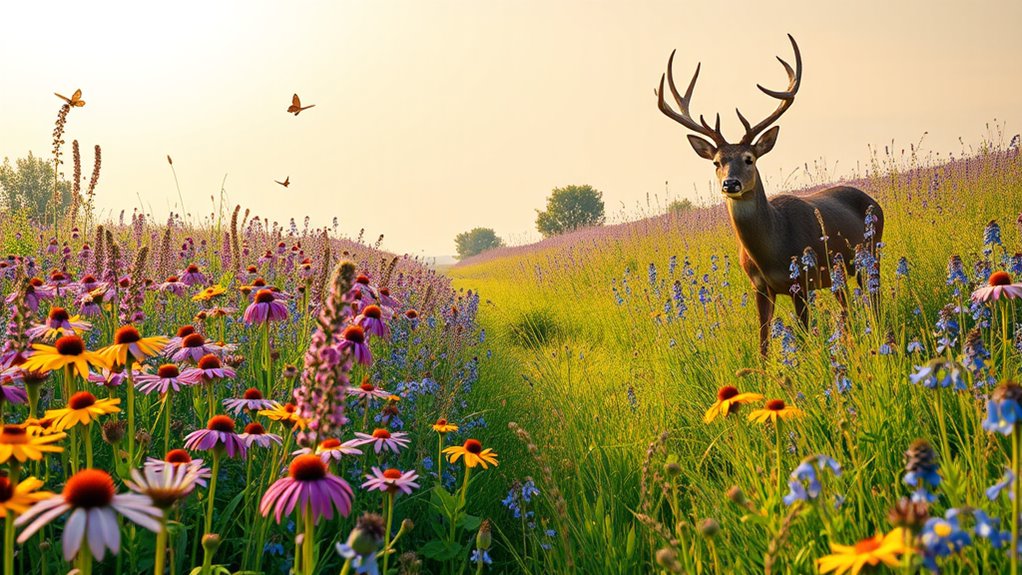
Have you ever wondered how we can help pollinators and native plants thrive in a changing landscape? One effective way is by creating wildflower corridors that serve as essential pollinator pathways. These corridors connect fragmented habitats, ensuring bees, butterflies, and other pollinators have safe routes to forage and reproduce. When habitats are isolated by roads, urban development, or agriculture, pollinators struggle to find enough food and suitable nesting sites. Wildflower corridors bridge these gaps, promoting habitat connectivity that’s crucial for their survival. By planting native wildflowers along these pathways, you provide a continuous source of nectar and pollen, giving pollinators the resources they need throughout the seasons. This not only supports their populations but also benefits native plants that depend on these pollinators for reproduction. When pollinators can move freely across the landscape, they help sustain healthy ecosystems and improve crop yields, especially in urban or suburban environments.
Creating these corridors isn’t just about planting wildflowers randomly; it’s about strategic planning. You want to link existing natural areas and agricultural lands with native plantings that encourage pollinator movement. This approach ensures habitat connectivity, which is critical as many pollinator species are declining due to habitat loss. When habitat connectivity improves, pollinators can access diverse food sources and better withstand environmental stresses. Plus, these corridors can serve as safe passages for other wildlife, like deer, which also benefit from increased plant diversity and habitat availability. As deer move through these connected habitats, they help disperse seeds, aiding the growth of native plants and further enriching the ecosystem. Additionally, incorporating nutritional components like native flowers enhances the health and resilience of pollinator populations.
Implementing wildflower corridors also involves community participation. You can work with local landowners, parks, and conservation groups to establish and maintain these pathways. Native plantings are often low-maintenance and adapted to the local climate, making them sustainable choices. Over time, these corridors become vibrant, multifunctional landscapes that support biodiversity while enhancing the aesthetic and ecological value of the area. The benefits extend beyond pollinators and deer; birds, butterflies, and other wildlife thrive in these connected habitats as well.
In short, by focusing on pollinator pathways and habitat connectivity, you help create a resilient, thriving landscape. Wildflower corridors act as lifelines that support the intricate web of life, ensuring that pollinators, native plants, and animals like deer can flourish together despite the challenges of a changing environment. It’s a practical, impactful way to restore balance and promote biodiversity in your community, one patch of native wildflowers at a time.

Hale Habitat & Seed Native Grass & Wildflower Refuge, Wildlife & Pollinator Seed Mix, 1/4 Acre
Your hunt is in the bag – we deliver more quality seed for your money!
As an affiliate, we earn on qualifying purchases.
As an affiliate, we earn on qualifying purchases.
Frequently Asked Questions
How Do Wildflower Corridors Impact Local Bird Populations?
Wildflower corridors can positively impact local bird populations by providing essential habitats for bird nesting. As the flowers grow, they attract insects, which serve as food for many bird species. Additionally, these corridors support seed dispersal, helping plants spread naturally and creating a diverse environment. You’ll notice more vibrant bird activity, nesting success, and healthier ecosystems, all thanks to the natural benefits wildflower corridors bring to local bird communities.
Can Wildflower Corridors Be Integrated Into Urban Environments Effectively?
Imagine turning city streets into blooming rivers of color—that’s what wildflower corridors can do. You can integrate them into urban planning by planting native species that thrive in concrete jungles. These vibrant patches act like green lungs, attracting pollinators and wildlife. With thoughtful design, wildflower corridors transform dull landscapes into lively ecosystems, proving that nature can flourish even amid skyscrapers and sidewalks, making cities healthier and more inviting for everyone.
What Maintenance Is Required to Sustain Wildflower Corridors Long-Term?
To sustain wildflower corridors long-term, you need to focus on native seed management and invasive species control. Regularly monitor the area for invasive plants and remove them promptly to prevent competition. Re-seed with native species as needed to maintain diversity and health. Additionally, avoid over-mowing and ensure proper watering during dry periods. Consistent upkeep will keep your wildflower corridor thriving and beneficial for local wildlife.
Are Wildflower Corridors Beneficial for Other Pollinators Besides Bees?
They say, “Don’t put all your eggs in one basket,” and wildflower corridors prove that supporting diverse native pollinators benefits the environment. Besides bees, butterflies, beetles, and hummingbirds thrive there, aiding pest control naturally. These native pollinators boost plant health and biodiversity, making corridors essential for ecosystem resilience. So, yes, wildflower corridors are beneficial for a wide range of pollinators, not just bees, helping balance nature’s intricate web.
How Do Wildflower Corridors Influence Local Water Quality and Soil Health?
Wildflower corridors positively influence local water quality and soil health by enhancing soil stability and boosting nutrient cycling. As you implement these corridors, you help prevent erosion, which keeps sediments out of water sources. Additionally, the diverse plant roots improve soil structure, promoting better water absorption and filtration. This natural process supports healthier ecosystems, ensuring cleaner water and richer soil, ultimately benefiting your community and local wildlife.

Earth Science Shady Wildflower Mix— 6 lb— 3-in-1 Formula with Premium Wildflower Seeds, Plant Food and Soil Conditioners – Non-GMO, Natural Ingredients
All-in-One Formula: Earth Science Shady Wildflower Mix contains natural wildflower seed, mulch, plant food, and soil conditioners. Everything…
As an affiliate, we earn on qualifying purchases.
As an affiliate, we earn on qualifying purchases.
Conclusion
By creating wildflower corridors, you’re helping bees and deer thrive side by side, weaving a tapestry of life that’s as crucial now as the legends of old. Imagine a future where nature’s harmony isn’t just a dream but a living, breathing reality—like the beloved stories told around a crackling campfire. So, keep planting, keep protecting, and remember: every small act today echoes through the ages, shaping a greener, more vibrant world for generations to come.

200,000+ Wildflower Seeds Bulk (4oz) – 16 Varieties Perennial & Annual Mix, Attract Bees, Butterflies & Hummingbirds, High Germination for Outdoor Pollinator Garden, Unique Gift for Mother, Women, Mom
🌼 200,000+ SEEDS – Transform your garden with this premium wildflower seeds bulk blend, featuring 16 vibrant perennial…
As an affiliate, we earn on qualifying purchases.
As an affiliate, we earn on qualifying purchases.
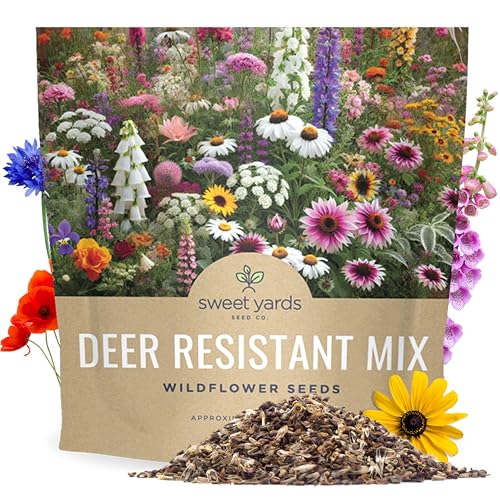
Deer Resistant Wildflower Seed Mixture – Bulk 1 Ounce Packet – Over 15,000 Deer Tolerant Seeds – Open Pollinated and Non GMO
Extra large packet contains over 1 full ounce of pure live seeds (15,000+ seeds!) Enough to cover 100…
As an affiliate, we earn on qualifying purchases.
As an affiliate, we earn on qualifying purchases.