
Chickens don’t have teeth like mammals. Instead, they use a hard, keratin-based beak to peck and crack open food. Their beak serves a similar purpose to teeth, helping them eat seeds and other hard substances. To digest food, chickens have a muscular gizzard that grinds it down, aided by small stones they swallow. This unique system allows them to thrive without traditional teeth. To learn more about their fascinating anatomy, keep exploring!

Get pet supplies delivered free — and shop member deals
- Fast, free delivery on millions of items
- Access to Prime Big Deal Days deals on October 6–7
- Prime Video, Amazon Music and more included
Key Takeaways
- Chickens do not have teeth; they rely solely on their beaks for feeding and interacting with their environment.
- The beak is made of keratin, allowing chickens to crack open seeds and other hard substances.
- Chickens use their beaks to peck at the ground and learn feeding behaviors from a young age.
- Instead of teeth, chickens have a gizzard that grinds food, aided by small stones or grit they consume.
- The combination of the beak and gizzard ensures effective digestion without the need for teeth.

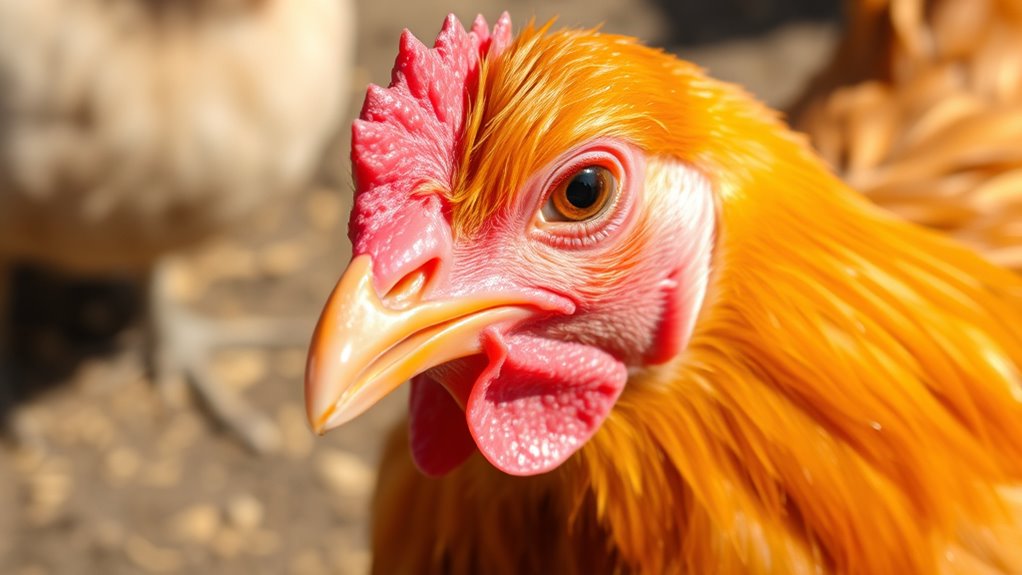
When you think about chickens, you might picture them pecking at the ground for food, but you probably won’t imagine them with teeth. It’s a common misconception because chickens, like many birds, don’t have teeth in the traditional sense. Instead, they have a fascinating structure known as a beak, which is an essential part of their anatomy. The beak plays a pivotal role in how chickens interact with their environment, especially when it comes to feeding.
The beak is designed for pecking, scratching, and foraging, allowing chickens to obtain a variety of foods, from seeds to insects. Chickens’ beak anatomy is incredibly specialized; it’s made of a hard outer layer called keratin, which is the same material found in human fingernails. This tough exterior helps them crack open seeds and other hard substances, acting much like teeth would in mammals. The shape and size of the beak can vary among different breeds, affecting their feeding habits and preferences.
During chick development, the beak is one of the first features to form. From a young age, chicks begin using their beaks to peck at the ground, mimicking their adult counterparts. This instinctual behavior is fundamental for their survival, as it helps them find food and learn about their environment. As chicks grow, their beaks continue to develop, becoming stronger and more adept at handling different types of food. Essentially, their beaks are a crucial tool for both survival and social interactions within their flocks.
You might find it interesting that, while chickens don’t have teeth, they do possess a specialized structure called the gizzard. This muscular part of their digestive system helps grind food, compensating for the lack of teeth. Chickens often consume small stones or grit, which aid in this grinding process, ensuring they can digest their food properly. Additionally, understanding the anatomy of birds can provide insights into how different species adapt their feeding mechanisms to their environments.
As an affiliate, we earn on qualifying purchases.
Frequently Asked Questions
How Do Chickens Eat Without Teeth?
Chickens eat without teeth by using their beaks, which evolved to help them pick up food. Once they’ve grabbed something, they swallow it whole, and their gizzards grind the food down, aiding in chicken digestion. This process allows them to break down grains and seeds efficiently. You’ll notice they often scratch the ground to find food, showcasing their natural instincts and adaptations for a diet that doesn’t require teeth.
What Do Chickens Use Instead of Teeth?
Chickens don’t need teeth, and it’s almost mind-blowing! Instead, they use their amazing avian beak, a marvel of dental adaptations, to peck and grind food. Imagine a tiny, feathered superhero with a beak that’s perfectly designed for their diet! They pick up grains, seeds, and insects with precision, and then they rely on their gizzard, a powerful muscle, to crush food. So, forget teeth; chickens have their own special way of dining!
Can Chickens Taste Their Food?
Yes, chickens can taste their food! They have taste buds on their tongues, which help them enjoy their meals. While chicken nutrition primarily comes from grains and seeds, their ability to taste influences what they choose to eat, impacting their overall health. Good poultry digestion relies on a varied diet, so encouraging them to try different foods can enhance their nutritional intake and keep them happy and healthy.
Do Chickens Have a Beak Structure?
Yes, chickens have a unique beak structure that’s fascinating! Their beaks are a result of beak evolution, perfectly adapted for their needs. Unlike mammals, chickens don’t have teeth, but their avian jaw structure allows them to peck and grind food effectively. Imagine how this specialized beak helps them forage and eat! It’s not just a tool; it’s a vital part of their survival strategy in the wild.
Are There Any Toothless Animals Like Chickens?
Yes, there are several toothless animals like chickens. Many birds, including parrots and ostriches, share avian dental differences, relying on their beaks for feeding. Turtles and certain species of amphibians also lack teeth. These toothless animals adapt to their environments by using specialized mouthparts for their diets. So, while chickens might not have teeth, they’re part of a larger group of creatures that thrive without them.
Conclusion
In summary, chickens don’t have teeth, but they’ve got beaks. They may not chew like we do, but they peck and grind their food with finesse. Instead of teeth, they rely on grit to aid their digestion, showcasing nature’s clever design. So, while you won’t find any pearly whites in a chicken’s mouth, you’ll discover a remarkable adaptation that helps them thrive. Embrace the uniqueness of chickens, and appreciate their fascinating way of eating!
Fall Picks
fall essentials
As an affiliate, we earn on qualifying purchases.