
To prevent resource guarding in dogs, start by understanding their body language, recognizing signs of discomfort like growling or stiffening. Teach basic commands such as “leave it” and use positive reinforcement. Manage their eating space by gradually introducing your presence in a calm manner. Socialize your dog with various people and pets, ensuring positive experiences. If guarding persists, consider seeking professional help. Stick around, and you’ll discover more effective strategies for fostering a harmonious relationship with your dog.
Key Takeaways
- Recognize dog body language, such as growling or stiffening, to intervene before resource guarding escalates.
- Teach commands like “leave it” and “drop it” using positive reinforcement to prevent possessiveness.
- Gradually introduce your presence during feeding, backing off if signs of guarding appear to create a non-threatening environment.
- Socialize dogs in diverse settings with positive experiences to reduce fear and promote sharing behaviors.
- Consult professional trainers if guarding persists to receive tailored strategies for behavior modification.
When you bring a dog into your home, you might not realize that resource guarding—where your pet defensively protects food, toys, or even space—can become a serious issue. Understanding this behavior is vital for your pet’s well-being and your safety. Recognizing dog body language is the first step in addressing resource guarding. Dogs often show signs of discomfort or possessiveness, such as growling, stiffening, or even snapping when they feel threatened. Watching for these signals can help you intervene before a situation escalates.
To prevent resource guarding, you’ll want to implement effective training techniques right from the start. Begin by teaching your dog basic commands like “leave it” or “drop it.” These commands can help you manage your dog’s behavior when they’re displaying possessive tendencies. Consistency is key; practice these commands regularly, rewarding your dog with treats and praise when they comply. This positive reinforcement helps create a strong bond between you and your dog, making them more willing to listen.
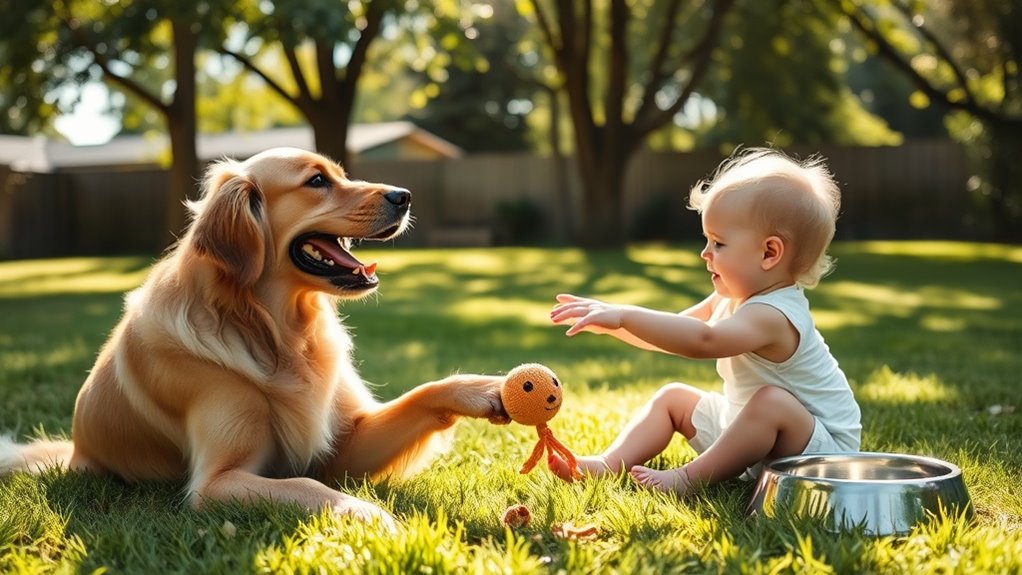
Another effective technique is to conduct controlled feeding sessions. Start by placing your dog’s food bowl down and allowing them to eat. Gradually introduce your presence by standing nearby, but don’t hover. If your dog shows signs of guarding, like stiffening or growling, back off a bit and give them space. Over time, you can get closer while maintaining a calm demeanor. This teaches your dog that your presence is not a threat, but rather an opportunity for positive interaction.
Socialization is also vital in preventing resource guarding. Expose your dog to different environments, people, and other dogs. This exposure helps your dog learn to share and interact without feeling threatened. Make sure these experiences are positive. Use treats and praise to reward your dog for calm behavior around new stimuli.
If resource guarding persists despite your efforts, don’t hesitate to seek professional help. A certified dog trainer or behaviorist can provide tailored strategies to address the issue. They can observe your dog’s body language and offer insights you might overlook.
Ultimately, preventing resource guarding takes patience, consistency, and time. By understanding your dog’s body language and employing appropriate training techniques, you’ll foster a trusting relationship. This will not only enhance your dog’s behavior but also create a more harmonious living environment for both of you. Additionally, using positive reinforcement techniques can significantly improve your dog’s overall behavior, making them more responsive to training cues.

GORILLA GRIP 100% Waterproof Raised Edge BPA Free Silicone Pet Feeding Mat, Dog Cat Food Mats Contain Spills Protects Floors, Placemats for Cats and Dogs Water Bowl, 18.5x11.5, Gray
- Award-Winning Design: 2025 Pet Innovation Award winner
- Waterproof Silicone Material: Prevents spills from reaching floors
- Raised Edges: Contain food and water spills
As an affiliate, we earn on qualifying purchases.
Frequently Asked Questions
How Can I Identify Signs of Resource Guarding in My Dog?
You can identify signs of resource guarding in your dog by observing their body language. Look for behaviors like stiffening, growling, or snapping when they possess items like food or toys. As guarding escalates, you might notice them becoming more defensive, showing their teeth, or avoiding eye contact. Pay attention to these cues, as they indicate discomfort or fear about losing their resources, signaling a need for intervention.
What Are Common Triggers for Resource Guarding Behavior?
Common triggers for resource guarding behavior often involve resource possession, like food, toys, or even your attention. Environmental stimuli, such as other pets or people approaching, can also provoke this reaction. Your dog might feel threatened when they think someone’s going to take their prized possession. Recognizing these triggers helps you address the behavior before it escalates, ensuring a more harmonious environment for both you and your furry friend.
Can Breed Influence a Dog’s Tendency to Guard Resources?
Absolutely, breed can influence a dog’s tendency to guard resources. For instance, studies show that about 40% of herding breeds display guarding behaviors more than others. This statistic highlights how breed tendencies and genetic influences shape behavior. If you have a herding dog, you might notice they’re more protective over toys or food. Understanding these traits can help you manage and train your dog effectively, promoting a more peaceful environment at home.
Is Resource Guarding More Prevalent in Certain Age Groups?
Yes, resource guarding is often more prevalent in certain age groups. Puppies may not show these behaviors as strongly, but as they reach developmental stages like adolescence, you might notice increased guarding tendencies. This age-related shift occurs as they become more aware of their environment and assert their ownership over resources. Understanding these phases helps you identify and address guarding behavior early, ensuring a well-adjusted companion as they grow.
How Do I Handle a Resource-Guarding Dog During Playtime?
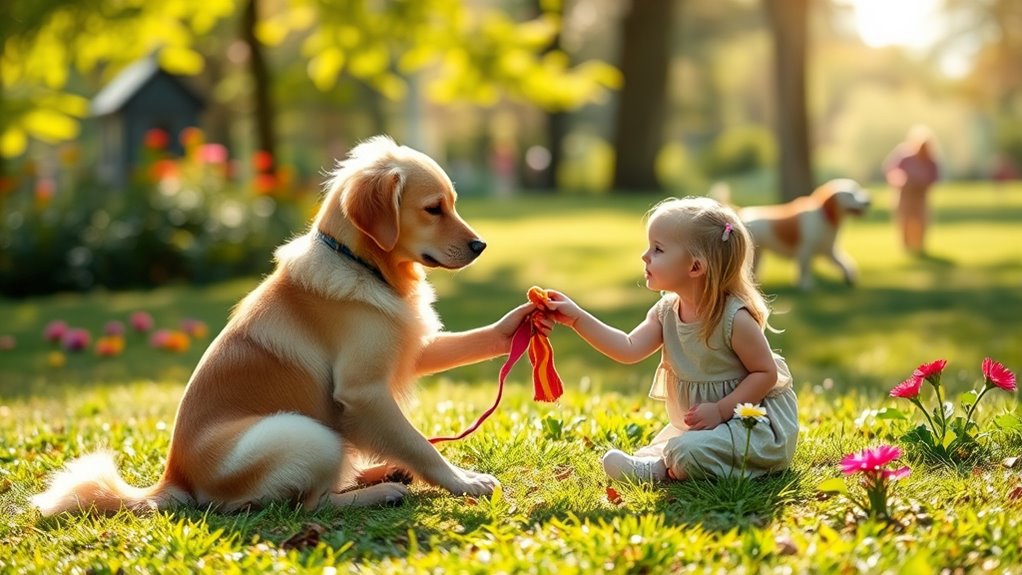
To handle a resource-guarding dog during playtime, you should share positive reinforcement when they display calm behavior. Establish boundaries by using toys that are specifically designated for play, ensuring your dog understands these are not resources to guard. If your dog shows signs of guarding, calmly redirect them to another toy and reward them for letting go. Consistency and patience will help your dog feel secure and reduce their guarding instincts over time.
Conclusion
To keep your dog from resource guarding, remember: “A stitch in time saves nine.” By addressing the issue early with positive reinforcement and consistent training, you can foster a trusting relationship. Encourage sharing and provide plenty of rewards for good behavior. If you stay proactive and attentive, you’ll create a harmonious environment where your dog feels secure and loved. With patience and persistence, you can prevent resource guarding and enjoy a peaceful home together.