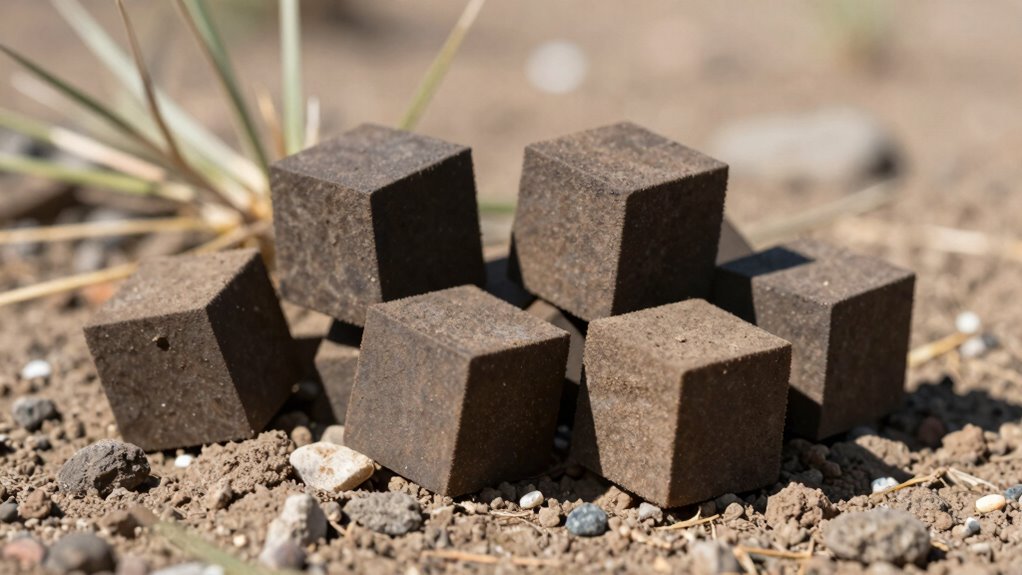

You might wonder why wombat droppings are cube-shaped. Their unique shape helps keep the waste from rolling away in tunnels and makes it easier for wombats to mark their territory and communicate with each other. The slow digestion process and high-fiber diet cause the droppings to form into firm, compact cubes. This adaptation also prevents dehydration in dry environments. If you stay curious, you’ll discover even more fascinating details behind this unusual feature.

Get pet supplies delivered free — and shop member deals
- Fast, free delivery on millions of items
- Access to Prime Big Deal Days deals on October 6–7
- Prime Video, Amazon Music and more included
Key Takeaways
- The cube shape prevents wombat droppings from rolling away in burrows, aiding territory marking.
- Slow digestion of fibrous diets produces concentrated, firm waste that naturally forms cubes.
- Elastic intestinal walls mold the waste into cubes during slow, efficient digestion.
- The shape helps wombats communicate territory and health by making droppings easily visible.
- Adaptation to arid environments benefits from the cube shape, reducing dehydration and aiding survival.
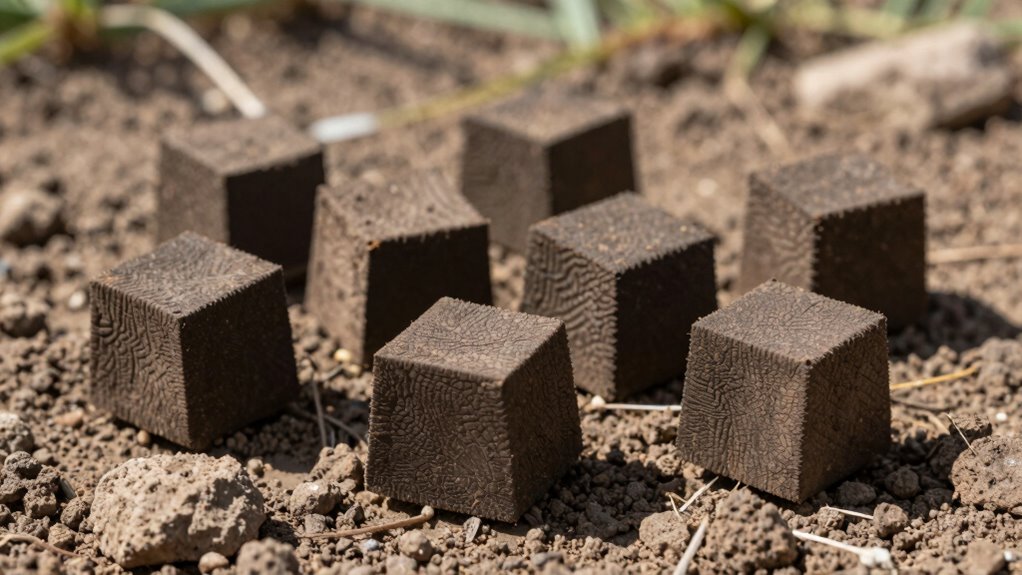
Have you ever wondered what makes wombat droppings so distinctive? It’s actually their cube-shaped form that catches your attention first. These uniquely shaped droppings aren’t just a quirky trait—they serve specific purposes rooted in the wombat’s behavior and environment. One key reason for this unusual shape involves how wombats navigate their burrows. Wombat burrow navigation is quite intricate; they dig extensive tunnel systems that can stretch over several meters underground. Their droppings help mark territory and guide them through these complex networks, and their cube shape prevents the droppings from rolling away. Unlike round droppings that might scatter or roll off, these cubes stay in place, making it easier for wombats to recognize and revisit their preferred spots or boundaries within their burrow system. This stability is essential in the dark, labyrinthine tunnels where visual cues are limited. Additionally, the digestive process of wombats influences the shape of their droppings, as the slow and efficient digestion results in highly concentrated waste. Your curiosity might also lead you to wonder about their dietary habits, which are closely linked to the shape of their droppings. Wombats are herbivores with a diet mainly consisting of grasses, roots, and bark. Their digestion process is slow and highly efficient, taking up to 14 days to fully process their food. This slow digestion results in highly concentrated waste, which in turn influences the shape of their droppings. Because their diet is fiber-rich and their gut processes food at a steady rate, the waste forms into compact, firm cubes. The shape is a natural consequence of how their intestines compact the waste, with the elastic walls of their intestines acting like molds that shape the droppings into cubes. The unique shape of their droppings is also thought to be an evolutionary adaptation that helps prevent dehydration by reducing moisture loss in arid environments. These cube-shaped droppings also serve as a form of communication. Wombats leave their droppings in prominent places, such as near burrow entrances or on rocks, as signals to other wombats. The distinctive shape makes these signs easy to spot, even from a distance, and the size and placement provide information about the individual’s health and territorial boundaries. Interestingly, their adaptation to changing environmental conditions further supports their survival and territorial marking strategies. In fact, the shape of their droppings is a remarkable example of how biological features can evolve to meet specific environmental challenges. So, the combination of their burrow navigation needs and dietary habits directly influences the shape and function of their droppings. These cubes aren’t just a biological curiosity—they’re a smart adaptation that helps wombats survive and thrive in their environment.
As an affiliate, we earn on qualifying purchases.
Frequently Asked Questions
Do All Wombats Produce Cube-Shaped Droppings?
Not all wombats produce cube-shaped droppings. Wombat burrow patterns and environmental factors influence this unique trait, which helps prevent droppings from rolling away. You can support wombat conservation efforts by protecting their habitats and understanding their behaviors. By doing so, you contribute to the preservation of these fascinating animals and their distinctive, cube-shaped droppings, which are essential for their communication and territorial marking.
How Do Wombats Shape Their Droppings?
You might think shaping droppings is simple, but wombats are masters of it! They shape their droppings through a unique digestion process, where their slow digestion and long intestines allow the waste to form into cube-shaped droppings. The texture of their droppings is firm yet crumbly, helping them stay in place on rocks or logs. This clever adaptation prevents scattering, making their droppings perfectly designed for marking territory.
Are Cube-Shaped Droppings Unique to Wombats?
No, cube-shaped droppings aren’t unique to wombats, but they’re quite distinctive. You notice this because of wombat burrow dynamics and their habitat preferences, which influence how their droppings form. Wombats prefer dry, rocky areas where their droppings stay intact, helping them mark territory. This unique shape prevents the droppings from rolling away, making it easier for wombats to communicate through scent marking within their habitat.
Do Wombats Eat Their Own Droppings?
Yes, wombats do eat their own droppings, a behavior called coprophagy. This helps them maximize nutrient absorption from their food, especially since their digestion is slow. By re-consuming their droppings, they improve nutrient extraction, aiding in soil enrichment. Their unique digestion process, which involves a long gut, allows them to break down fibrous plants efficiently, supporting their health and contributing to nutrient cycling in their environment.
Can Humans Use Wombat Droppings for Anything?
Humans can surprisingly use wombat droppings, especially in wildlife conservation efforts. These unique cube-shaped droppings help scientists track wombat populations and understand their habits, making them valuable for ecological impact studies. However, handling and using droppings require care to avoid disease. While not a common resource, in niche ecological projects, wombat feces offer insights into habitat health, emphasizing their unexpected yet essential role in preserving these fascinating animals.
Conclusion
So, next time you spot those peculiar cube-shaped droppings, remember—there’s more to this mystery than meets the eye. Wombats have a secret that’s kept nature on its toes, and scientists are still unraveling it. Could these unique droppings hold clues to their ancient ancestors or maybe even new insights into animal intelligence? The answer’s just beyond the horizon, waiting for someone daring enough to uncover it. Are you ready to explore what lies beneath?
Evergreen bestsellers Picks
bestsellers
As an affiliate, we earn on qualifying purchases.