
TL;DR

Get pet supplies delivered free with Prime
- Fast, free delivery on millions of items
- Prime Video, Amazon Music and more included
- Member-only deals all year
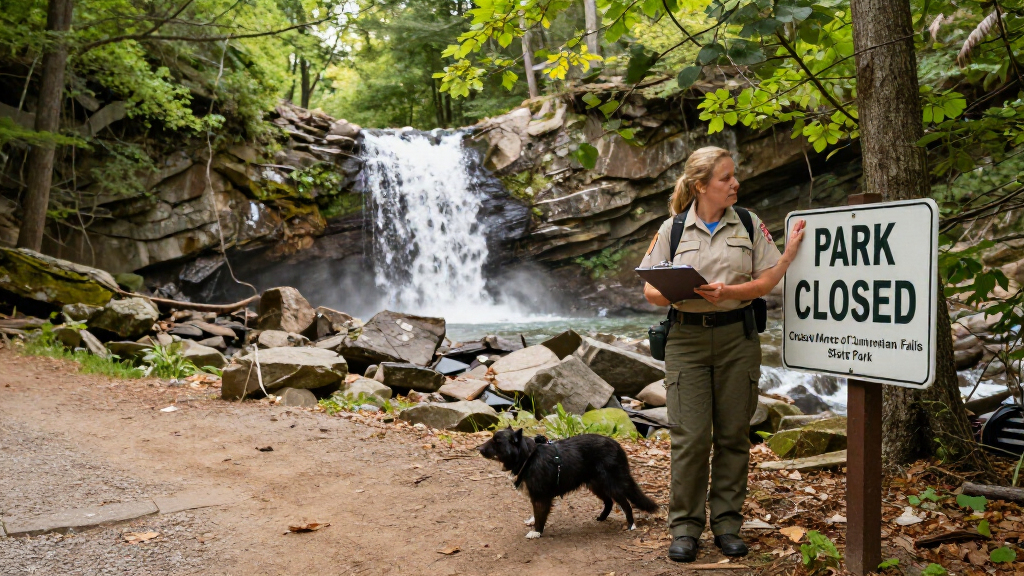
Maryland authorities have closed more parts of Cunningham Falls State Park after a second beaver attack. The closures aim to protect visitors amid ongoing wildlife concerns. The situation remains under review as officials assess the risk.
Maryland Department of Natural Resources has closed additional sections of Cunningham Falls State Park following a second beaver attack on a visitor, citing safety concerns. The closures come as authorities respond to wildlife behavior that has posed a direct threat to park visitors and staff.
The Maryland Department of Natural Resources (DNR) announced on March 15, 2024, that it is closing more areas within Cunningham Falls State Park after a second incident involving a beaver attacking a visitor. The first attack was reported on March 10, and the latest occurred on March 14, prompting the park to restrict access to certain trails and recreational zones.
Park officials have confirmed that the attacks involved aggressive behavior by beavers, which is unusual for the species but has raised safety concerns. The park’s management initially closed a section of the park after the first incident and has now expanded closures to additional areas based on ongoing assessments and wildlife activity reports.
The Maryland DNR has stated that the park remains open in other areas, and they are working with wildlife specialists to evaluate the beaver behavior and develop safety protocols. The identity and condition of the attacked visitor have not been publicly disclosed, and authorities emphasize that no fatalities have occurred.
Why the Beaver Attacks and Park Closures Matter
This development highlights potential safety risks associated with local wildlife, prompting authorities to prioritize visitor protection. The closures may impact recreational activities and tourism at Cunningham Falls, a popular outdoor destination in Maryland. The incident raises questions about wildlife management and human-wildlife interactions, especially as beaver behavior appears to be more aggressive than usual.
For residents and visitors, the situation underscores the importance of awareness and caution when in natural parks, particularly where wildlife might pose unforeseen dangers. The response by Maryland officials could influence future policies on wildlife management and park safety measures.
As an affiliate, we earn on qualifying purchases.
Background on Wildlife Incidents at Cunningham Falls
Cunningham Falls State Park, located in Maryland’s Frederick County, has historically been a popular destination for hiking, camping, and nature observation. Wildlife encounters are common, but aggressive behavior by beavers is rare. The park has experienced increased reports of unusual animal activity over the past year, though this is the first confirmed incident involving attacks on visitors.
In early March 2024, park staff responded to reports of a beaver attacking a hiker near the lake area. Following that incident, authorities temporarily closed the affected zone. The second attack, which occurred three days later, prompted further closures and heightened safety measures. Wildlife experts suggest that stress, habitat disturbance, or food shortages could be factors influencing beaver behavior, though investigations are ongoing.
Previous wildlife management efforts have focused on habitat preservation and balancing human activity with animal conservation, but these recent events mark a notable escalation in conflict potential.
“The safety of visitors is our top priority, which is why we’ve expanded closures and are consulting with wildlife experts.”
— Park ranger John Miller
Unanswered Questions About Beaver Behavior and Safety Risks
It is not yet clear what exactly caused the beavers to become aggressive or whether this behavior will continue. The full extent of the threat to visitors and staff remains under assessment, and wildlife experts have not yet determined if this is an isolated incident or part of a broader pattern.
Authorities have not disclosed specific details about the attacked visitor’s condition or whether further closures are planned beyond current measures. The long-term impact on park wildlife management strategies is still being evaluated.
Next Steps in Managing Wildlife and Park Safety
Maryland DNR plans to continue monitoring beaver activity and will consult with wildlife specialists to understand the causes of the aggression. Additional safety protocols and signage are expected to be implemented in the affected areas.
Further updates on the situation, including potential reopening of closed zones and any new incidents, will be provided as investigations progress. Officials will also review wildlife management policies to prevent future conflicts.
Key Questions
Are visitors still allowed in Cunningham Falls State Park?
Yes, most areas of the park remain open, but certain zones have been closed due to beaver attacks. Visitors should check for updated closures and safety advisories before visiting.
What caused the beaver attacks?
It is currently unclear what prompted the beavers’ aggressive behavior. Authorities are investigating possible factors such as habitat disturbance or food shortages.
Will the park reopen the closed areas soon?
Reopening depends on ongoing assessments of beaver behavior and safety conditions. Authorities have not specified a timeline but will provide updates as they evaluate the situation.
Are beavers normally aggressive?
Beavers are generally not aggressive toward humans. These recent incidents are unusual and under investigation to determine causes.
What safety precautions should visitors take?
Visitors should stay alert, avoid approaching wildlife, and adhere to posted safety signs. It is advised to report any aggressive animal behavior to park staff immediately.
Source: hn
Halloween Picks
halloween
As an affiliate, we earn on qualifying purchases.