TL;DR

Get pet supplies delivered free with Prime
- Fast, free delivery on millions of items
- Prime Video, Amazon Music and more included
- Member-only deals all year
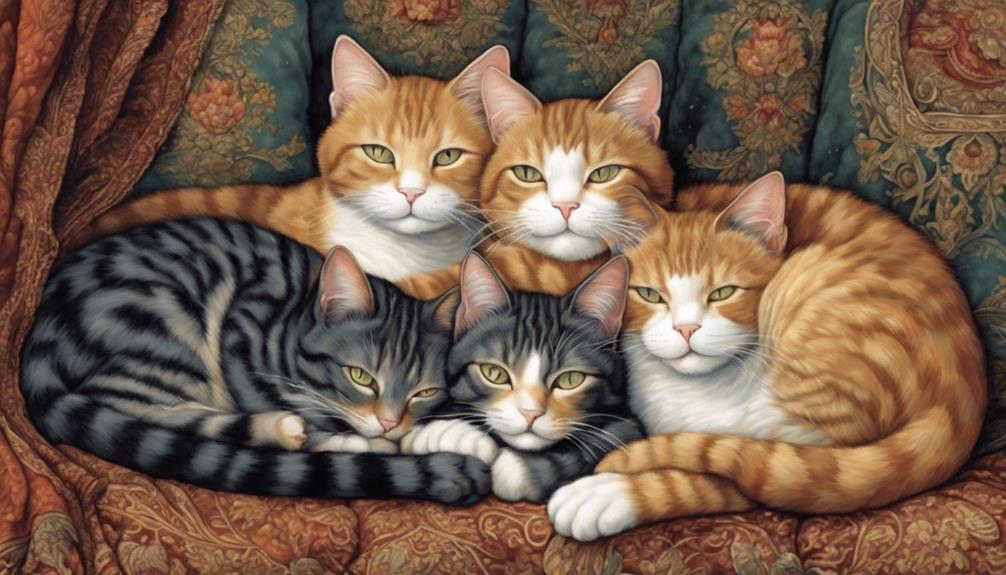
A person reported that a cousin recognized two cats, Koda and Lilly, on the top-left of a book cover and asked the poster’s sister whether they were hers. The poster says two copies of the book later arrived by mail directly from the publisher. The book title, publisher, timing and how the cats came to appear on the cover are not identified in the supplied post.
A person says two copies of a book arrived by mail directly from the publisher after a cousin spotted what appeared to be the person’s cats, Koda and Lilly, in the cover’s top-left corner. The post describes a family member’s recognition of the cats and the subsequent delivery, but does not name the book or publisher.
In the account supplied with the image link, the poster says a cousin asked the poster’s sister whether two cats pictured on a book cover were Koda and Lilly. The post identifies their position as the top-left of the cover. It does not provide the cousin’s exact wording beyond that question, nor does it describe how the cousin came across the book.
The poster then says that two copies arrived in the mail, sent directly by the publisher. The account presents the delivery as following the family’s discovery of the cover image. It does not explain whether the publisher sent the books because the cats had been recognized, whether the poster had previously contacted the publisher, or whether another arrangement led to the mailing.
The supplied material identifies the cats by name but provides no confirmed details about the book’s title, author, edition, publisher or release date. The linked image is presented as the original report, but the text supplied here does not include independently verifiable publication information. The delivery and the cats’ identification are therefore best described as the poster’s account, rather than independently established facts.
A Family Recognition Reaches the Publisher
The story’s interest lies in a small but striking connection between a family’s pets and a commercially published book. A relative appears to have recognized the cats on the cover, then two publisher-sent copies reached their owner. For readers, the account captures how a familiar animal can be noticed in an unexpected place—and how that discovery may prompt contact between a reader, an author or publisher, and the people who know the animal.
At the same time, the available details do not establish whether Koda and Lilly were deliberately chosen for the cover, photographed for the book, or merely resemble the animals shown. Without the title or a statement from the publisher, the report cannot show what role the cats played in the book’s production. The confirmed news value is limited to the sequence the poster describes: a cousin asked about the cover cats, and copies later arrived.
Products Worth Considering

PETLIBRO Automatic Cat Feeder for Two Cats with AI Recognition Camera

PetSafe Microchip Cat Door, Interior/Exterior, Multi-Pet, 4-Way Lock

PETLIBRO RFID Automatic Cat Feeder with Wi-Fi and Collar Tag Recognition
As an affiliate, we earn on qualifying purchases.
How the Cats Were Spotted
The post’s sequence begins with a cousin noticing two cats on a book cover and asking the poster’s sister whether they were the poster’s cats. The poster says the cats appear in the image’s top-left corner. The post then reports that two physical copies came through the mail from the publisher.
No dates are supplied beyond the poster’s wording that the copies arrived “today,” and the original post’s publication date is not included in the material provided. There is also no account of how the cousin found the book, whether the sister confirmed the cats’ identity at the time, or whether the poster had any prior connection with the publisher. That limits how much of the timeline can be independently reconstructed.
Book and Publisher Remain Unidentified
The supplied report does not name the book or publisher, and it gives no title, author, publication date or edition details. It is also unclear when the cousin saw the cover, whether the cats’ identity has been confirmed by anyone other than the poster or family, and why the publisher mailed two copies.
The wording suggests the poster believes the pictured animals are Koda and Lilly, but the available text alone does not establish how the image was made or whether the cats were intentionally featured. No statement from the publisher, author or an independent source is included. Further details would be needed to confirm those points.
More Details Could Confirm the Story
The next useful information would be the book’s title and a clear view of its cover, followed by confirmation from the publisher or author about the cats’ appearance and the mailed copies. The original poster could also clarify how the publisher obtained the cats’ image and what prompted the shipment. No follow-up or publisher comment is included in the material supplied, so whether more information will emerge is unknown.
Key Questions
What happened?
The poster says a cousin spotted two cats on a book cover and asked the poster’s sister if they were Koda and Lilly. The poster later reported receiving two copies from the publisher.Where are the cats on the cover?
The post places them in the top-left corner of the cover.What is the book called?
The supplied report does not identify the title, author or publisher.Has the publisher confirmed the cats’ identity?
No publisher statement or independent confirmation is included. The identification comes from the poster’s account of the family’s recognition.Why did the publisher send two copies?
The post says the copies arrived directly from the publisher but does not explain why they were sent or whether the shipment was connected to the cats appearing on the cover.Source: fediverse