Horses pin their ears back mainly to show discomfort, irritation, or to warn you to back off. It’s often a sign they feel threatened or annoyed, especially if paired with tense muscles or a stiff neck. However, ear pinning isn’t always aggressive; it can also mean they are focused or listening. To understand what your horse is really saying, look at the whole body and context. Keep going, and you’ll uncover more about their subtle cues.
Key Takeaways
- Horses pin their ears back to signal discomfort, irritation, or warning others to back off.
- Ear pinning can indicate focus or concentration, especially during training or listening.
- It may be a sign of annoyance or mild agitation, often accompanied by tense body language.
- Ears held tightly against the skull typically suggest discomfort or potential aggression.
- Context and additional body cues are essential to distinguish between aggression and attentive listening.
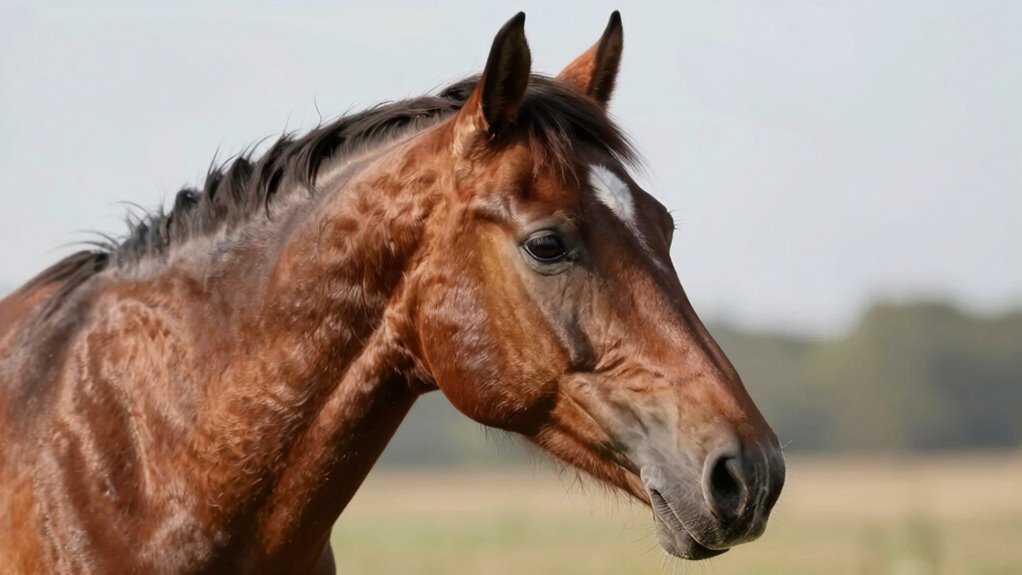
Have you ever noticed a horse pinning its ears back and wondered what it means? Understanding horse communication is key to interpreting their behavior, and ear positioning cues are some of the most telling signals horses give. When a horse pulls its ears back against its head, it’s not just a random gesture; it’s a form of communication that can convey a range of emotions, from curiosity to aggression. Recognizing these cues helps you respond appropriately and keeps both of you safe.
Understanding ear position helps interpret a horse’s emotions and keeps interactions safe.
Horses use their ears to gather information about their surroundings and communicate their feelings. The position of their ears can tell you whether they’re relaxed, alert, or upset. When a horse pinches its ears back flat against its skull, it often indicates discomfort or irritation. This is especially true if the ears are held tightly and the horse’s body language shows tension—such as a stiff neck or raised tail. In this context, the horse might be warning you to back off or indicating that it’s feeling threatened or annoyed. It’s a clear sign that something isn’t sitting well with them, and ignoring it could lead to defensive behavior or even a bite or kick.
However, ear pinning isn’t always aggressive. Sometimes, horses pin their ears back momentarily when they’re focusing or listening intently, especially if they’re trying to understand a new command or situation. This kind of ear positioning cue can be subtle and doesn’t always mean hostility. Instead, it might signal concentration or mild irritation, especially if accompanied by other signs like narrowed eyes, swishing tail, or tense muscles. You need to pay close attention to the context and the horse’s overall body language. If the ears are pinned back along with a lowered head and flattened nose, it’s probably a warning sign that the horse is uncomfortable or annoyed. Additionally, understanding horse behavior helps you better interpret these signals and respond appropriately. Recognizing the different ear positions and their meanings is crucial for safe and effective handling. Being aware of horse communication cues can help prevent misunderstandings and improve your overall relationship with the animal. Being mindful of behavioral cues can also help you predict how a horse might react in different situations.

Equinavia BudZ Horse Ear Plugs (6 Count) | Equestrian Noise Reduction Soft Foam Balls – Black
EFFECTIVE NOISE REDUCTION: These lightweight horse ear plugs are made of a dense closed-cell foam which effectively blocks…
As an affiliate, we earn on qualifying purchases.
As an affiliate, we earn on qualifying purchases.
Frequently Asked Questions
Can Horses Pin Their Ears Back When They Are Happy?
Horses rarely pin their ears back when they’re happy. In horse communication, ear movement significance is essential—ears forward often show curiosity or affection, while pinned ears indicate discomfort or agitation. When a horse’s ears are relaxed and slightly to the side, it’s a sign of contentment. But pinned ears typically signal irritation or warning, so you should pay attention to their overall body language to understand their mood accurately.
Does Ear Pinning Always Indicate Aggression?
Ear pinning doesn’t always mean aggression; it’s just one part of horse communication. Horses use ear movement cues to express feelings, and pinning their ears back can indicate discomfort, fear, or annoyance, but sometimes they do it during play or when they’re alert. To interpret their mood accurately, observe their overall body language and context, because ear position is just one piece of the communication puzzle.
How Can I Tell if My Horse Is Scared or Angry?
You can tell if your horse is scared or angry by observing its body language and equine communication cues. If your horse’s ears are pinned back, it might be angry or defensive, while wide eyes and a tense stance suggest fear. Look for other signs like swishing tail, raised hackles, or rigid posture. Understanding these signals helps you respond appropriately, ensuring safety and strengthening your bond.
Do Different Horse Breeds Pin Their Ears Back Differently?
Different horse breeds do show variation in ear pinning frequency and style. For example, Arabian horses often pin their ears back more frequently, reflecting their alertness, while draft breeds may do so less often, indicating calmer behavior. Breed differences influence how often and how intensely horses pin their ears back, but always consider individual temperament. Recognizing these subtle cues helps you better understand your horse’s mood and reactions.
Can Training Change a Horse’s Ear Pinning Behavior?
Yes, training can influence a horse’s ear pinning behavior. By understanding horse body language and equine communication, you can teach your horse to display more relaxed ears instead of pinning them back. Consistent, positive reinforcement helps your horse associate calm behavior with rewards, reducing stress and discomfort. Over time, your horse learns appropriate responses, making ear pinning less frequent and improving overall communication and trust between you.
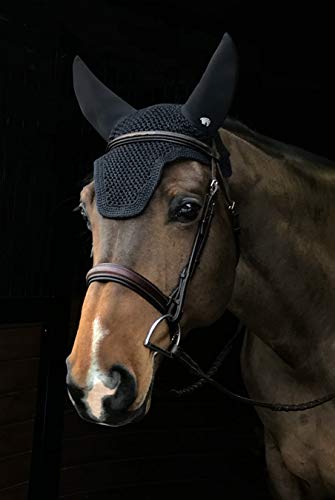
Plughz Horse Sound Off 2 Ear Net, Soundless Bonnet, Black
Special Soundproofing material reduces the noise reaching the horse's ears.
As an affiliate, we earn on qualifying purchases.
As an affiliate, we earn on qualifying purchases.
Conclusion
Understanding why horses pin their ears back helps you read their moods like a weather vane catching changing winds. When you notice this sign, it’s like spotting dark clouds gathering—an early warning of discomfort or irritation. By paying close attention, you become a skilled captain steering your horse’s emotional seas. Recognize the signs, respect their feelings, and steer your bond toward calmer waters. Your awareness keeps both of you sailing smoothly through every ride and interaction.

How to Speak Horse: A Horse-Crazy Kid's Guide to Reading Body Language, Understanding Behavior, and "Talking Back" with Simple Groundwork Lessons
As an affiliate, we earn on qualifying purchases.
As an affiliate, we earn on qualifying purchases.

HoAoOo Pet Clicker for Dogs/Cats/Horses/Birds or Other Animals – Clickers for Training (Blue + Green)
Can be used to train the dog basic obedience, small trick, and correct the bad behavior; Scientific method…
As an affiliate, we earn on qualifying purchases.
As an affiliate, we earn on qualifying purchases.