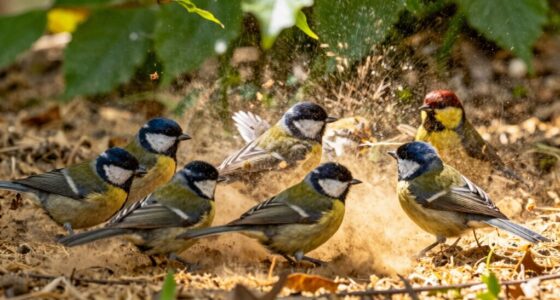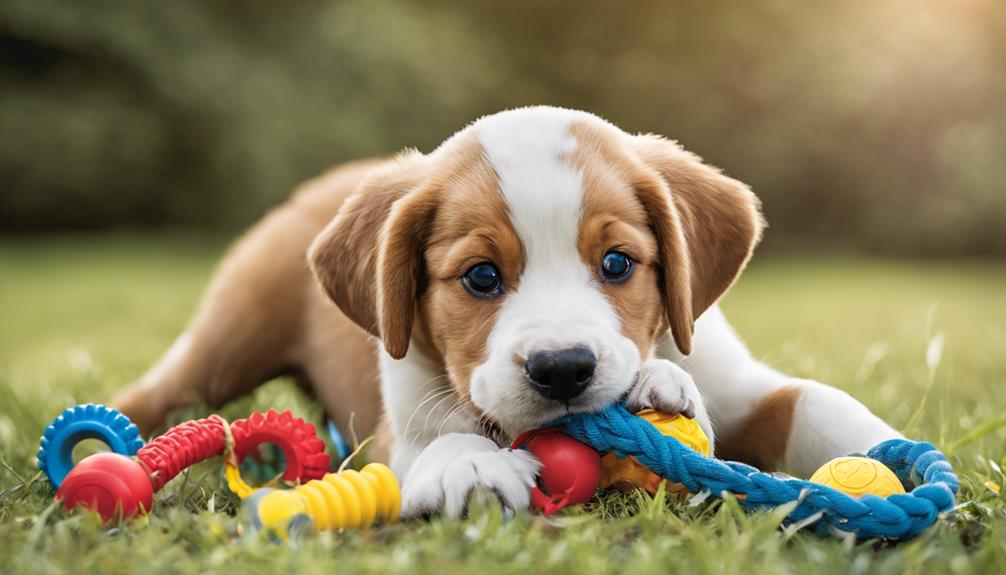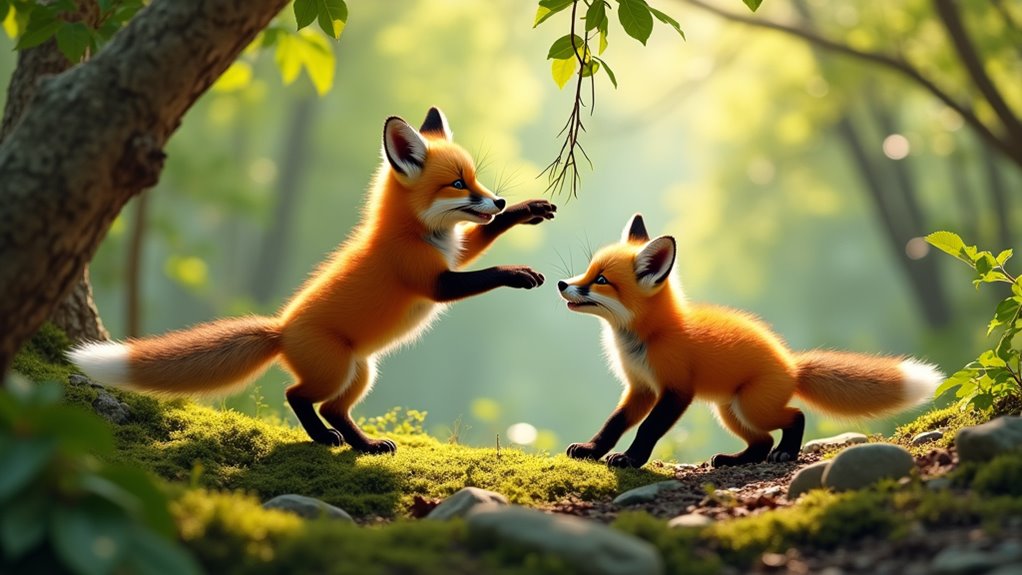

Play is essential for animals, helping them develop physical skills, social bonds, and survival instincts crucial both in the wild and at home. It allows animals to practice hunting, defending, and social interactions in safe environments, strengthening trust and cooperation within groups. Play also boosts their mental and emotional resilience, preparing them for real-life challenges. When you explore deeper, you’ll discover how play shapes healthy, well-rounded animals and why supporting their play is so important.

Get pet supplies delivered free — and shop member deals
- Fast, free delivery on millions of items
- Access to Prime Big Deal Days deals on October 6–7
- Prime Video, Amazon Music and more included
Key Takeaways
- Play develops essential skills like coordination, hunting, and defense, vital for survival in the wild and for pets at home.
- It fosters social bonds, communication, and hierarchy understanding, promoting harmonious interactions within animal groups.
- Play mimics adult activities, providing safe practice environments that enhance cognitive and physical development.
- Engaging in play supports emotional resilience, reduces stress, and strengthens bonds between animals and their owners.
- Play behavior encourages problem-solving and adaptability, crucial for thriving in unpredictable environments.

Have you ever wondered why animals spend so much time playing? It’s a question that often crosses our minds, especially when you observe young animals tumbling around or pets engaging in playful antics. Play behavior isn’t just about fun; it serves essential purposes in the animal kingdom. When animals play, they’re doing more than just entertaining themselves—they’re practicing skills they’ll need later in life. For many species, play is a way to develop coordination, strength, and agility. But beyond physical development, play also plays a fundamental role in social bonding. Engaging in playful interactions helps animals establish and reinforce relationships within their groups, whether it’s a pack of wolves, a pride of lions, or a family of domestic cats. It creates a foundation of trust and familiarity, which can be indispensable for cooperation and survival.
In the wild, play behavior often mimics adult activities, like hunting or defending territory, but in a low-stakes environment. This allows young animals to hone their skills without real danger. For example, a young fox chasing after a peer isn’t just chasing; it’s practicing stalking, pouncing, and coordination. These activities become second nature, increasing their chances of success when they’re adults. Play also encourages social hierarchies and communication. When puppies or lion cubs wrestle, they learn how to interpret signals like submission or dominance, which helps prevent conflicts later. It’s a way for animals to navigate complex social structures safely, while still having fun. Additionally, understanding the importance of play can help us better appreciate the significance of play behavior in animal development and well-being. Research indicates that play can influence cognitive development and problem-solving skills, which are vital for survival in dynamic environments. Moreover, play fosters emotional resilience and adaptability, key traits for thriving in unpredictable conditions. Recognizing the social bonds formed during play highlights how crucial these interactions are for maintaining healthy animal communities.
At home, your pet’s play behavior is just as meaningful. When your dog fetches a ball or your cat pounces on a toy, they’re engaging in behaviors that mimic natural instincts—hunting, stalking, or defending territory. These activities keep them mentally stimulated and physically healthy. Playtime also strengthens your bond with your pet. When you interact during play, you’re fostering trust and social bonding, making your pet feel secure and loved. It’s a two-way street: animals need play to grow and adapt, but you also benefit from the connection and understanding that play fosters. Play behavior isn’t just idle entertainment; it’s an essential part of an animal’s development, survival, and emotional well-being. So next time you see your pet chasing a stray string or wrestling with a sibling, remember that they’re doing much more than just having fun—they’re building skills, relationships, and a better life.
interactive dog toys for mental stimulation
As an affiliate, we earn on qualifying purchases.
As an affiliate, we earn on qualifying purchases.
Frequently Asked Questions
How Does Play Behavior Vary Among Different Animal Species?
You’ll notice that play behavior varies greatly among animal species, reflecting their unique play styles and social interactions. Some animals, like dogs, engage in active, social play to strengthen bonds, while others, like cats, prefer solitary, gentle play to hone hunting skills. These differences help animals develop essential skills, build relationships, and adapt to their environments, highlighting how diverse play behaviors serve crucial roles across species.
Can Playtime Influence an Animal’s Survival Skills?
Think of playtime as your animal’s training ground for survival, much like a martial arts class prepares a student for real fights. Play fighting helps animals develop agility and strength, while social bonding improves cooperation in the wild. These activities sharpen instincts and skills, making them more adept at hunting or avoiding predators. So, yes, play directly influences their ability to survive and thrive in their environment.
What Are Signs of Excessive or Insufficient Play in Pets?
You might notice signs of excessive or insufficient play in your pet. Play deprivation can lead to boredom, anxiety, and destructive behavior, while play overstimulation might cause hyperactivity or stress. Watch for signs like lethargy, withdrawal, or aggression. Ensuring your pet gets the right amount of play helps maintain their mental and physical health, preventing issues related to both under- and over-stimulation. Balance is key to your pet’s well-being.
How Can Owners Encourage Healthy Play in Indoor Animals?
Think of your pet’s playtime as a dance you both share. To keep it lively, provide interactive toys that challenge and entertain, like puzzle feeders or feather wands. Create safe play zones where they can explore freely without risks. Regularly engage with your pet, mimicking natural behaviors, and observe their responses. This keeps their mind sharp, body active, and playtime safe and enjoyable, strengthening your bond.
Are There Age-Related Changes in Animals’ Play Behavior?
As animals age, their play behavior often changes due to juvenile development and aging behavior. You might notice younger animals engaging in more vigorous play, which helps with growth and social skills. As they age, their play may become less frequent or more subdued, reflecting their changing energy levels and physical capabilities. Understanding these age-related changes helps you provide appropriate stimulation that supports their health and well-being at every stage.
Conclusion
Remember, whether you’re watching a lion cub pounce or a kitten chase a ball, play isn’t just fun—it’s essential. In the wild, play sharpens skills and builds bonds; at home, it keeps your pets healthy and happy. Just like wild animals, your pets thrive through play. So, embrace those playful moments, knowing they’re as important for your furry friends’ development as they are for their joy. After all, play bridges the wild and the home in the best way.
Halloween Picks
halloween
As an affiliate, we earn on qualifying purchases.