TL;DR

Get pet supplies delivered free with Prime
- Fast, free delivery on millions of items
- Prime Video, Amazon Music and more included
- Member-only deals all year
The NASDA Foundation received a three-year USDA grant to introduce veterinary students to state and regulatory veterinary medicine. The project will support nine students in paid summer internships, with three placements each year in state animal health offices.
The U.S. Department of Agriculture has awarded the National Association of State Departments of Agriculture Foundation a three-year grant to introduce veterinary students to state and regulatory veterinary medicine. The project will fund nine paid summer internships in state animal health offices, aiming to develop a workforce involved in animal disease prevention and agricultural biosecurity.
The grant was provided through USDA’s National Institute of Food and Agriculture Veterinary Services Grant Program and will support an initiative called Strengthening the Regulatory Veterinary Workforce. Three students are expected to take part each year, completing 10- to 12-week internships in State Animal Health Official offices.
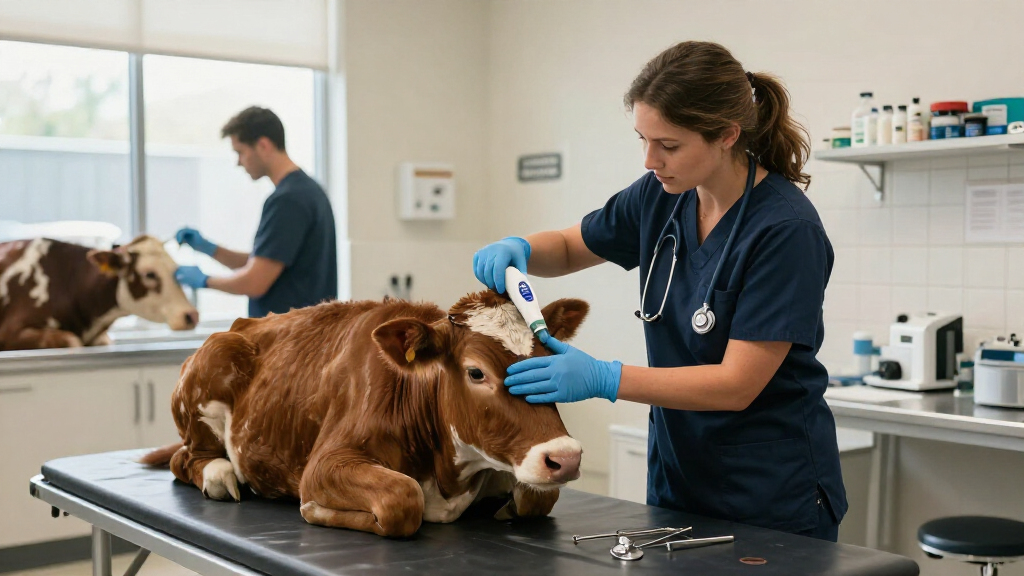
Interns will gain practical experience in disease surveillance, emergency preparedness and response, animal health programs, regulatory activities and engagement with stakeholders. State animal health offices will host and mentor participants; the NASDA Foundation will coordinate recruitment, placements and program support.
The students will also have access to professional development and networking through programs including NASDA Next Generation, which connects them with state agriculture leaders, peers and agricultural professionals. The source report does not give the grant’s dollar value or name the states that will host interns.
Building State Animal Health Capacity
State animal health officials work on monitoring and responding to disease risks that can affect livestock, agricultural markets and rural communities. The internships are intended to give students early exposure to this public-service work and help them understand how veterinary training can apply beyond clinical practice.
The grant’s immediate scope is limited: it funds nine internships over three years. The program’s broader workforce goal is an aim, not a confirmed outcome. Whether participants later enter regulatory roles, and whether the placements help address staffing gaps, will depend on student recruitment, host capacity and subsequent career choices.
Products Worth Considering

Dyson Ball Animal 2 Plus Corded Vacuum

Dyson Ball Animal Total Clean Upright Vacuum

Dyson Ball Animal 3 Extra Upright Vacuum
As an affiliate, we earn on qualifying purchases.
How the Internship Program Works
The NASDA Foundation is the nonprofit arm of the National Association of State Departments of Agriculture. For this project, it will organize student recruitment and placement, while participating state animal health offices will provide on-the-job exposure and mentorship. The arrangement links a national organization’s coordination with state-level animal health operations.
According to the source report, the project responds to limited opportunities for veterinary students to explore state and regulatory careers. Nevada Agriculture Director J.J. Goicoechea, DVM, also pointed to workforce development needs, particularly in states experiencing veterinary shortages. The report does not specify which states face shortages or provide staffing figures.
“Hands-on experiences can shape career trajectories, build essential competencies, and strengthen the veterinary workforce supporting animal well-being and agriculture.”
— J.J. Goicoechea, Nevada agriculture director
Grant and Placement Details Still Pending
The source report does not disclose the grant amount, the host states, the application process, eligibility criteria or the dates for the first internships. It also does not identify how the nine placements will be distributed among states or explain how the program will measure its effect on recruitment into regulatory roles.
The stated goals—expanding awareness of regulatory careers and strengthening the workforce—are not evidence that staffing shortages will be resolved. No figures were provided on current vacancies, projected hiring needs or the number of interns expected to pursue state or federal veterinary work after completing the program.
Recruitment and State Placements
The NASDA Foundation is responsible for recruitment and placements, and participating state animal health offices will host and mentor students. The next practical developments are the release of application information, identification of host offices and confirmation of internship dates. The report gives no timetable for those announcements.
As the project proceeds, details about student participation and the range of work assigned to interns will show how the grant is being put into practice. Longer-term evidence—such as whether participants enter regulatory veterinary careers—would be needed to judge whether the program contributes to workforce capacity.
Key Questions
Who received the USDA grant?
The NASDA Foundation received the three-year grant through USDA’s National Institute of Food and Agriculture Veterinary Services Grant Program.
How many veterinary students will take part?
The project is designed to support nine students over three years, with three students participating annually.
What will interns do?
Students will complete paid 10- to 12-week summer internships in state animal health offices, with exposure to disease surveillance, emergency response, animal health programs, regulatory work and stakeholder engagement.
Which states will host the internships?
The source report does not identify the participating states. State animal health offices are expected to host and mentor students, but the host locations have not been named.
When can students apply?
The report does not provide an application opening date, eligibility rules or an internship schedule. The NASDA Foundation will coordinate recruitment and placements.
Source: veterinarypracticenews.com