
TL;DR

Get pet supplies delivered free with Prime
- Fast, free delivery on millions of items
- Prime Video, Amazon Music and more included
- Member-only deals all year
The ASPCA says littermates Oonagh and Gloria were among seven dogs rescued by New York City police in early March 2026. After treatment for malnutrition and other conditions, the puppies became healthy enough for adoption; the report describes Oonagh’s adoption by Robert and Rose Ann but gives no outcome for Gloria.
The ASPCA says pit bull littermates Oonagh and Gloria were among seven dogs rescued by the New York Police Department in early March 2026, and both recovered enough to be ready for adoption after treatment for malnutrition and other health problems. The organization’s report follows Oonagh’s adoption by Robert and Rose Ann Place, while it does not specify whether Gloria has since been placed in a home.
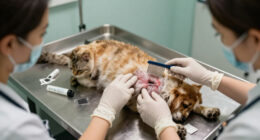
After the rescue, the dogs were taken to the ASPCA Animal Recovery Center in New York City and later moved to the organization’s Recovery & Rehabilitation Center in Pawling. Initial examinations found that both puppies were anemic and had low blood-protein levels, findings the ASPCA connected to malnutrition. They also had skin disease and intestinal parasites. Gloria additionally had an old, untreated fracture in her left hind leg, which, along with limited muscle development, contributed to a kneecap condition called lateral patellar luxation.
ASPCA veterinarians used gradual refeeding plans rather than increasing the puppies’ food quickly. The organization said the dogs received an easily digested prescription diet, vitamin supplements and daily weight checks. Dr. C, the veterinarian overseeing their care, explained that rapid feeding after prolonged starvation can trigger refeeding syndrome, a potentially dangerous complication. The report says Gloria’s knee condition improved as she gained muscle, without surgery.
Oonagh was about eight months old when Rose Ann found her listed online. The couple drove from Saugerties to Pawling to meet her. Robert recalled that Oonagh licked his face when he picked her up and said, “This is the dog!” Rose Ann said Oonagh was not the kind of dog they had expected to adopt: she was a female pit bull puppy, while they had been considering an older dog and had not wanted another pit bull. They adopted her nonetheless. The ASPCA says both sisters were healthy and ready for homes after a few weeks of care, though the deprivation during a key growth period means they will remain smaller than many pit bulls.
Care Helped Two Puppies Recover
The report illustrates the medical needs that can follow severe neglect, especially for young animals. The puppies’ anemia, low protein, parasites and skin disease required more than simply providing food: their recovery involved veterinary assessment, controlled nutrition and monitoring. The ASPCA’s account of Gloria’s leg also shows how inadequate nutrition and an untreated injury can compound one another.
For readers considering adoption, the story offers a specific outcome as well as a reminder that recovery can take time. Oonagh joined a household with decades of experience adopting animals, and Rose Ann said the puppy helped her through grief after the couple’s previous dog died. The report does not provide Gloria’s adoption status, so the sisters’ paths after treatment are not fully documented.
Products Worth Considering

PETLIBRO Granary 2 Vision Duo Automatic Cat Feeder for Two Cats

PetSafe CozyUp Wooden Pet Bed Ramp, White

PETLIBRO RFID Automatic Cat Feeder with Wi-Fi and Collar Tag Recognition
As an affiliate, we earn on qualifying purchases.
From Rescue to Rehabilitation
The ASPCA report says police rescued seven dogs from what it describes as deplorable conditions in early March 2026. Oonagh and Gloria were transferred from the New York City recovery center to the Pawling facility for ongoing care. The source describes the puppies as littermates; it does not provide further information about the circumstances of the rescue or the other dogs’ outcomes.
Robert and Rose Ann Place have adopted animals together for decades, including retired racing Greyhounds. The report identifies Robert as an artist who has designed tarot decks since 1982 and says his work has often featured Greyhounds inspired by the couple’s rescue dogs. After their pit bull died in late 2025, they found themselves without a pet for the first time in 53 years. Oonagh’s adoption followed their search for another dog.
Gloria’s Adoption Status Is Unreported
The ASPCA report says both puppies were ready to find homes after several weeks of treatment, but it only recounts Oonagh’s adoption. It does not say whether Gloria was adopted, remains in ASPCA care or has another placement. The report also provides no detailed account of the rescue circumstances, the identity of any person responsible for the dogs’ condition, or the other five dogs’ subsequent outcomes.
Awaiting Further Placement Details
The report does not announce a future court proceeding, investigation milestone or scheduled update. The next information readers may look for is confirmation from the ASPCA about Gloria’s placement and any further details it chooses to release about the other rescued dogs. Until then, the confirmed account is that both puppies received treatment, recovered enough to be considered adoptable, and Oonagh went home with Robert and Rose Ann Place.
Key Questions
What happened to Oonagh and Gloria?
The ASPCA says the littermates were rescued with five other dogs in early March 2026. Both were treated for malnutrition and other health problems and became healthy enough to be ready for adoption.
Who adopted Oonagh?
Robert and Rose Ann Place, who live in Saugerties, New York, adopted Oonagh after meeting her at the ASPCA Recovery & Rehabilitation Center in Pawling.
Has Gloria been adopted?
The ASPCA report does not say whether Gloria has been adopted or describe her current placement.
Why did veterinarians feed the puppies gradually?
According to ASPCA veterinarian Dr. C, dogs recovering from prolonged starvation can develop refeeding syndrome if given too much food too quickly. The puppies were placed on gradual feeding plans and monitored during recovery.
Source: aspca.org