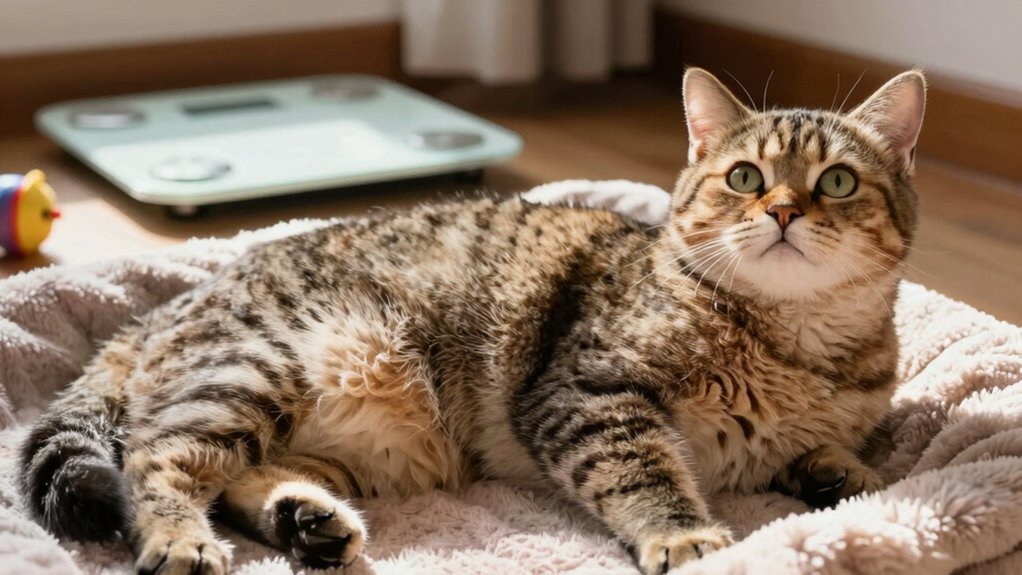

Pet weight gain can sneak up quickly, so it’s important to stay alert to early signs like sudden changes in weight or behavior, such as increased eating or lethargy. Keep track of routines, monitor portion sizes, and encourage regular exercise suited to your pet’s age and mobility. Routine vet visits help catch weight issues early, allowing for timely adjustments. If you want to guarantee your pet stays healthy, there’s more to know on how to spot these signs early.

Get pet supplies delivered free with Prime
- Fast, free delivery on millions of items
- Prime Video, Amazon Music and more included
- Member-only deals all year
Key Takeaways
- Regularly monitor your pet’s weight and behavior for sudden changes or signs of weight gain.
- Adjust diet by measuring portions and avoiding high-calorie treats or table scraps.
- Increase gradual, appropriate exercise to boost activity levels and metabolism.
- Recognize signs of metabolic slowdown and tailor routines to support healthy metabolic function.
- Schedule routine veterinary checkups to detect early weight gain and address underlying health issues.
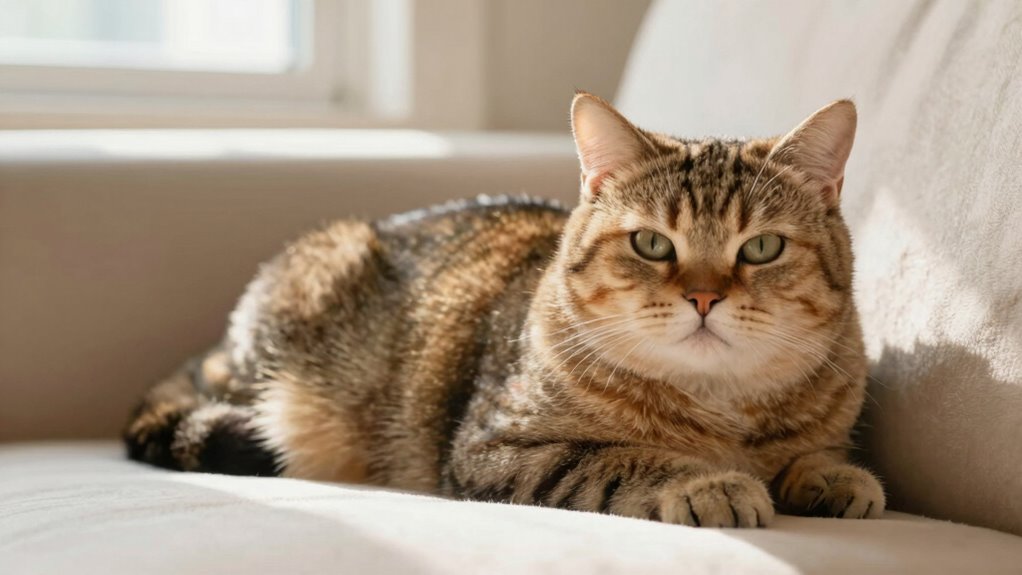
If your pet has been losing weight unexpectedly or appears underweight, addressing their weight gain becomes vital for their health and well-being. Pets can gain weight quickly when their routines or environments change, and catching this early helps prevent serious health issues down the line. The first step is to observe their behavior and daily habits closely. Notice if they’re eating more than usual, less active, or showing signs of lethargy. This will help you determine whether the weight gain is due to increased food intake, decreased activity, or other health concerns.
Monitor your pet’s weight and behavior to catch early signs of health issues and ensure their well-being.
Next, you should review their diet adjustments. Sometimes, pets gain weight because their food portions are too large or because they’re consuming calorie-dense treats without realizing it. Switch to a balanced diet suited to their age, breed, and health needs, and consider measuring their food carefully to prevent overfeeding. If your pet is on a specific diet prescribed by your veterinarian, stick to that plan strictly. Avoid giving in to begging or offering table scraps, as these can add unnecessary calories. Incorporate more fiber-rich foods or low-calorie treats if needed, and always consult your vet before making significant changes. Monitoring their food intake closely helps you control their calorie consumption and supports healthy weight management. Understanding calorie intake and its impact is crucial for effective weight control.
Exercise routines are equally important. If your pet isn’t moving as much as they used to, their muscles weaken, and weight can pile up unnoticed. Start encouraging more activity gradually—short walks, interactive toys, or play sessions can make a big difference. If your pet is older or has mobility issues, speak with your vet about suitable exercise options. Consistent physical activity boosts metabolism and helps burn excess calories, preventing weight from creeping up unnoticed. Be mindful not to overexert them, especially if they’re not used to regular exercise, and always tailor routines to their ability level. Regular physical activity is a crucial aspect of wellness to keep your pet healthy. Additionally, understanding metabolic rate can help you better tailor their exercise and diet plans for optimal health. Recognizing signs of metabolic slowdown can also guide timely adjustments to their routine.
Finally, regular checkups are essential. Schedule visits with your vet to track their weight and overall health. Early detection of weight gain allows for timely interventions, whether it’s adjusting diet plans, recommending specific exercises, or addressing underlying health problems. Keep a record of your pet’s weight and habits, so you can notice trends and discuss them accurately with your veterinarian. Staying proactive and attentive ensures that your pet maintains a healthy weight, supporting their longevity and happiness. Remember, catching weight gain early is key to preventing more serious health issues later on.
pet digital scale for weight monitoring
As an affiliate, we earn on qualifying purchases.
As an affiliate, we earn on qualifying purchases.
Frequently Asked Questions
How Often Should I Weigh My Pet at Home?
You should weigh your pet weekly at home to keep track of any weight changes. Regular weighing helps with diet monitoring and catching early signs of weight gain. Use a consistent scale and weigh at the same time of day for accuracy. Also, schedule veterinary consultations to discuss your pet’s weight and health. This proactive approach helps you address issues early and maintain your pet’s ideal health.
Are There Specific Signs Indicating My Pet’s Weight Gain Is Unhealthy?
If your pet suddenly seems like a balloon ready to pop, that’s a clear sign your weight gain might be unhealthy. Watch for behavior changes—less activity, difficulty breathing, or reluctance to play. Keep up with diet monitoring, and if you notice these signs, consult your vet promptly. Early detection prevents serious health issues and keeps your furry friend happy and healthy for years to come.
Can Certain Breeds Gain Weight More Quickly Than Others?
Yes, certain breeds experience breed differences in weight gain, meaning some are naturally more prone to gaining weight quickly. For instance, small breeds tend to have less weight variability, while larger breeds or those with a stockier build might gain weight faster due to genetic factors. You should monitor your pet’s weight closely, especially if they belong to a breed known for rapid weight changes, to catch unhealthy gains early and maintain their health.
How Does Age Affect My Pet’s Risk of Weight Gain?
Age is like a slow-burning candle—you might not notice the weight creeping up until it’s too late. As your pet ages, their metabolism slows, making diet monitoring and exercise routines even more essential. Regularly check their weight, adjust portions, and keep them active. These habits help prevent age-related weight gain, ensuring your pet stays healthy and happy longer. Don’t let time sneak up on their health!
What Are Quick Tips to Motivate My Pet to Stay Active?
You can motivate your pet to stay active by creating fun exercise routines that keep them engaged. Incorporate short, daily play sessions, and vary activities to prevent boredom. Reward their efforts with treats, but practice treat moderation to avoid overfeeding. Consistency is key—praise and encourage your pet during exercise, making it enjoyable. Over time, these habits help maintain a healthy weight and boost your pet’s overall well-being.
Conclusion
Keep a close eye on your pet’s weight, because small changes can snowball into big problems. Regular weigh-ins and mindful feeding help catch weight gain early—like spotting a tiny spark before it ignites a blaze. Remember, you’re their guardian, their advocate in health. Stay vigilant, stay proactive, and let your attentiveness be the gentle rain that prevents the storm of weight issues from taking hold. Your pet’s well-being depends on your watchful eye.
Fall Picks
fall essentials
As an affiliate, we earn on qualifying purchases.