

Pets hide pain instinctively to avoid seeming weak or vulnerable, which is a natural survival trait. Because of this behavior, they often show only subtle signs of discomfort, like changes in activity, appetite, or mood. As an owner, your keen observation becomes essential in spotting these tiny clues. Recognizing these signs early can help prevent health issues from worsening. Keep going to discover how understanding these behaviors can help you better care for your pet.

Get pet supplies delivered free with Prime
- Fast, free delivery on millions of items
- Prime Video, Amazon Music and more included
- Member-only deals all year
Key Takeaways
- Pets instinctively hide pain to avoid appearing vulnerable or weak, a survival trait from their wild ancestors.
- Behavioral changes are often the only subtle indicators of underlying pain or discomfort.
- Animals may conceal pain to protect their pride and avoid attracting predators or threats.
- Their natural instincts lead them to mask signs of illness, making early detection challenging.
- Recognizing behavioral cues and maintaining vigilant observation helps owners identify hidden pain.
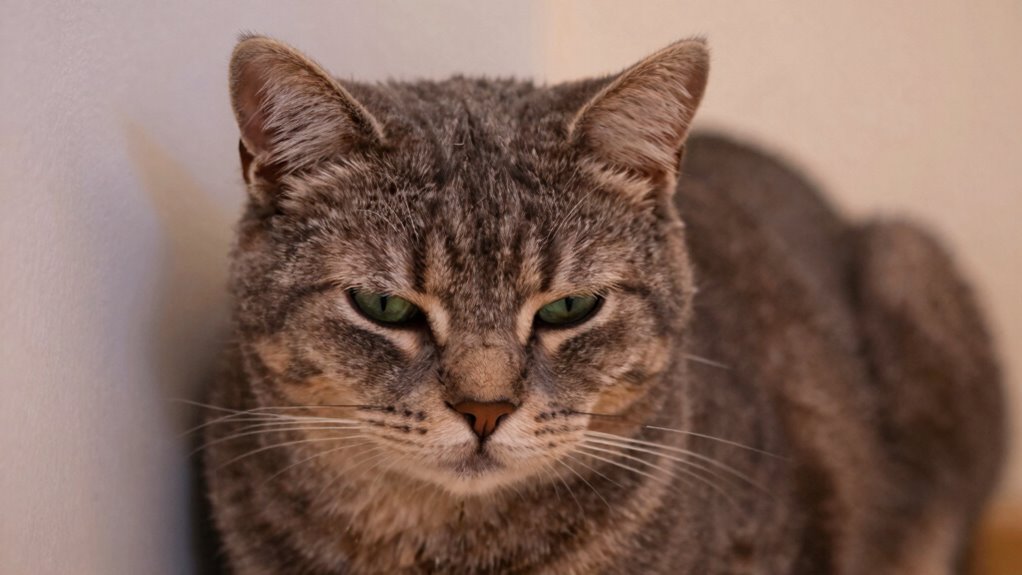
Pets often hide their pain because they instinctively avoid showing weakness, making it challenging for owners to recognize when something’s wrong. This survival instinct can mask pain or discomfort, leading you to overlook subtle signs that your pet is suffering. Because of this natural tendency, attentive vet communication becomes crucial, as vets are trained to interpret the often quiet clues that indicate your pet’s distress. They understand that behavioral changes are sometimes the only indicators that something’s off, so they ask detailed questions and observe your pet carefully during visits.
Pets hide pain to protect themselves; attentive vet communication reveals subtle signs of distress and ensures prompt care.
When your pet starts acting differently, it’s easy to dismiss small changes as just a phase. Maybe your dog becomes less playful, or your cat stops using the litter box. These behavioral changes are often subtle but can signal underlying pain or illness. If you notice your pet withdrawing, avoiding physical contact, or becoming unusually irritable, it’s a sign that you should consult your vet promptly. Recognizing these shifts early can make all the difference in diagnosis and treatment, preventing minor issues from escalating into serious health problems.
You might also notice changes in appetite, grooming habits, or energy levels. Because pets are adept at concealing discomfort, these signs might seem insignificant at first. However, when combined with behavioral changes, they paint a clearer picture of your pet’s health. Effective vet communication involves sharing these observations honestly and in detail, helping your veterinarian piece together the puzzle. They might ask about recent activity, any incidents that could have caused injury, or changes in environment that could influence your pet’s behavior.
A better understanding of animal instincts can help owners appreciate why pets hide their pain and be more vigilant in observing subtle cues. As a pet owner, your role in identifying pain involves keen observation and honest communication with your vet. Sometimes, animals hide pain because they’re trying to protect their pride or avoid seeming vulnerable. Understanding animal behavior can help you better interpret their actions and reactions. But your job is to look beyond the surface. Recognizing the importance of behavioral cues can lead to earlier detection and better outcomes for your pet. If your pet’s behavior seems off, don’t delay seeking professional advice. The sooner your vet can assess your pet’s condition, the better their chances of recovery. Remember, behavioral changes aren’t just quirks—they’re vital clues that your pet needs help. Stay attentive, communicate openly with your vet, and your pet will thank you for your vigilance.
As an affiliate, we earn on qualifying purchases.
Frequently Asked Questions
Can Pets Hide Pain From Multiple Injuries Simultaneously?
Yes, pets can hide pain from multiple injuries simultaneously. Their behavioral signs may be subtle, like reduced activity or withdrawal, and emotional responses might include increased anxiety or agitation. Because they instinctively conceal pain to avoid predators, you might not notice their discomfort right away. Paying close attention to changes in behavior and emotional responses helps you recognize when your pet is suffering, even if they’re hiding physical signs.
How Early Can We Detect Pain in Hiding Pets?
Imagine catching a faint flicker of a candle’s flame before it’s fully ignited—that’s like early detection of pain in hiding pets. You can spot signs as early as the first subtle pain indicators, often within hours of injury or illness. Watch for changes in behavior, withdrawal, or decreased activity. Recognizing these early signals helps you act swiftly, ensuring your pet gets the care they need before pain worsens.
Do Different Breeds Hide Pain Differently?
Yes, different breeds hide pain differently due to breed differences and pain perception. Some breeds are naturally better at masking discomfort, making it harder for you to notice when they’re hurting. For example, certain breeds with thick coats or calm temperaments tend to conceal pain more effectively. Understanding these differences helps you stay alert to subtle signs, so you can seek veterinary care promptly and guarantee your pet’s comfort and health.
Is Hiding Pain a Sign of a Severe Health Issue?
Hiding pain can be a sign of a severe health issue, especially if your pet displays emotional resilience and an increased pain tolerance. Animals often mask discomfort to avoid appearing vulnerable, which can delay diagnosis. If you notice your pet acting unusually withdrawn, lethargic, or unresponsive to touch, it’s essential to seek veterinary attention promptly. Recognizing these signs guarantees you address potential health issues before they worsen.
Can Training Help Pets Express Pain More Openly?
Training can definitely help your pet express pain more openly. By observing behavioral cues and vocalization patterns, you teach your pet that communicating discomfort is okay. Consistent, gentle training encourages them to share their feelings without fear. Over time, your pet becomes more comfortable showing signs of pain, allowing you to respond promptly and seek veterinary care. This approach strengthens your bond and improves their overall well-being.
Conclusion
You might think your pet’s hiding pain means they’re fine, but that’s often a wolf in sheep’s clothing. Pets are masters at disguising discomfort to avoid seeming vulnerable. Keep a watchful eye on subtle signs, because appearances can be deceiving. Remember, it’s better to be safe than sorry—don’t wait until it’s too late. Recognizing the hidden signs guarantees you’re truly tuned in to your pet’s well-being, because sometimes silence speaks volumes.
Evergreen bestsellers Picks
bestsellers
As an affiliate, we earn on qualifying purchases.