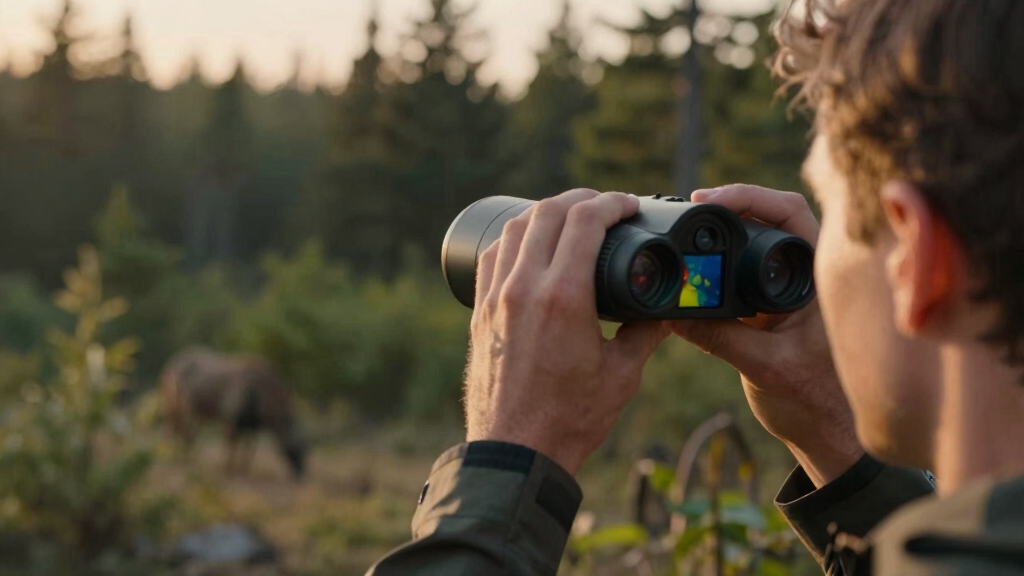

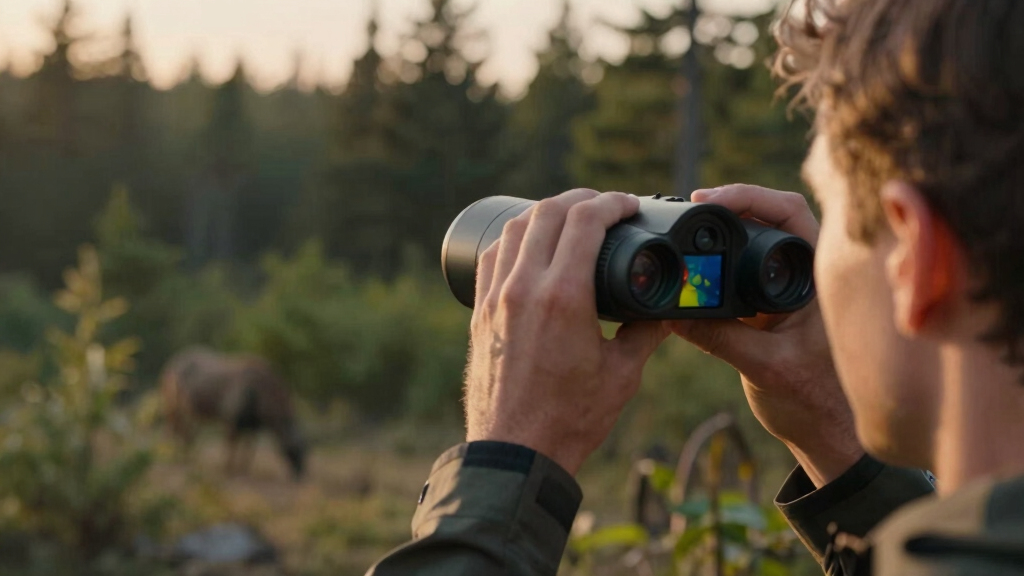
When searching for the best thermal monocular for wildlife watching, you need a device that offers clear thermal imaging, reliable build quality, and ease of use in outdoor environments. The MiLESEEY TNV10 Pro stands out as the best overall pick thanks to its high-resolution sensor and hot spot tracking, ideal for detailed observation. The FLIR Scout TKx is a compact option perfect for casual users and travelers, while the AGM Taipan V2 offers advanced features for serious hunters. These choices highlight the key tradeoffs: higher-end models deliver better clarity and features but come at a higher price, while more affordable options may lack some advanced capabilities. Continue reading for a detailed breakdown of each model and how to choose the right monocular for your wildlife adventures.
Key Takeaways
- High-resolution sensors (256×192 or better) significantly improve image detail for wildlife identification.
- Field of view varies widely; wider views help track moving animals more easily.
- Battery life and ease of charging are critical for extended outdoor sessions.
- Waterproof and rugged build quality matter for harsh outdoor conditions.
- More features like WiFi, video recording, and multiple color palettes add versatility but increase complexity and cost.


More Details on Our Top Picks
MiLESEEY TNV10 Pro 320×240 IR Resolution Thermal Monocular, 13mm 50Hz Aircraft Mg-Al Alloy Handheld Thermal Camera, Night Vision Imager, Hot Spot Tracking
The MiLESEEY TNV10 Pro stands out for its high-resolution 320×240 IR sensor, offering a level of clarity that surpasses many competitors like the FLIR Scout TKx, especially in detailed night observation. Its 50Hz refresh rate provides smooth real-time imaging, essential for tracking quick-moving wildlife, though it comes at a higher cost and bulkier design. The OLED display and multiple viewing modes enhance user control, but its size and complexity might be less appealing to casual users. This model is best suited for serious wildlife enthusiasts who need detailed thermal data and long operational hours. If portability is a priority, this device’s weight could be a drawback.
Pros:- Exceptional high-resolution thermal imaging with enhanced detail
- Multiple viewing modes and hot spot tracking for precise detection
- Long battery life up to 12 hours for extended outdoor sessions
- Rugged, weather-resistant aircraft Mg-Al alloy construction
Cons:- Relatively high price may be prohibitive for casual users
- Bulkier design decreases portability and ease of handling
Best for: Wildlife researchers and birdwatchers seeking detailed thermal imaging with extended field use
Not ideal for: Casual hobbyists or those needing a lightweight, portable monocular for quick outings
- IR Resolution:320×240
- Display:800×600 OLED
- Refresh Rate:50Hz
- Battery:4500mAh (up to 12 hours)
- Build Material:Aircraft Mg-Al Alloy
- Video Recording:MP4, 400×300, 32GB storage
Bottom line: This pick is ideal for dedicated wildlife observers who prioritize detailed thermal data and long-lasting power over portability.
AGM Global Vision Taipan V2 Thermal Imaging Monocular for Hunting with 12μm Sensor, Video Recording, WiFi, IP67 Waterproof
The AGM Taipan V2 excels in total darkness with its 12μm sensor, offering remarkable clarity that makes it a top choice for hunting, especially when compared to the GOYOJO G215. Its IP67 waterproof rating and built-in WiFi make it a versatile device for tough environments, with features like digital zoom and multiple thermal modes adding to its adaptability. However, the higher price and complex features may require a learning curve, which could deter casual users. The 7-hour battery life is sufficient for most hunting trips, but extended use might necessitate additional power sources. This model suits experienced outdoor enthusiasts who need a durable, feature-rich thermal monocular for demanding conditions.
Pros:- High-sensitivity 12μm thermal detection for clear images in complete darkness
- Waterproof IP67 rating ensures durability in harsh weather
- WiFi connectivity and video recording for easy sharing and documentation
- Multiple thermal modes and digital zoom for versatile target detection
Cons:- Higher cost may limit accessibility for casual users
- Complex interface may require time to master
Best for: Serious hunters and outdoor professionals seeking rugged, feature-packed thermal imaging
Not ideal for: Casual users or beginners who prefer simple, straightforward devices without many settings
- Sensor:12μm thermal detector
- Display:1280×960 LCOS
- Storage:16GB internal
- Battery Life:up to 7 hours
- Waterproof Rating:IP67
- Zoom:1.5x–12x digital
Bottom line: This device is best suited for experienced hunters who need tough, feature-rich thermal imaging in challenging outdoor conditions.
GOYOJO G215 Thermal Imaging Monocular for Hunting, 256×192 Infrared Night Vision Telescope
The GOYOJO G215 offers a solid balance of resolution (256×192) and features like a 4X zoom, multiple display modes, and WiFi connectivity, making it a more affordable alternative to the MiLESEEY TNV10 Pro. Its weather-resistant IP65 rating and over 6 hours of battery life suit outdoor adventures where weather conditions can vary. While it doesn’t match the high-end resolution of the MiLESEEY, it still provides clear night vision suitable for general wildlife watching. Its versatility in display modes makes it appealing to users who want multiple visual options, but WiFi setup and weather conditions may limit its use in extreme environments. This model is best for users who want a capable, feature-rich monocular without the top-tier price.
Pros:- Decent high-resolution thermal imaging for clear night observation
- Multiple display modes for adaptable viewing
- Weather-resistant and durable IP65 build
- WiFi connectivity for real-time sharing
Cons:- Limited resolution compared to higher-end models like the MiLESEEY
- WiFi functionality may require app setup and is less seamless in challenging weather
Best for: Outdoor enthusiasts and casual wildlife watchers looking for a reliable, multi-mode thermal monocular
Not ideal for: Power users needing ultra-high resolution or extended battery life for long expeditions
- Resolution:256×192
- Frame Rate:50Hz
- Zoom:4X
- Waterproof Rating:IP65
- Battery Life:over 6 hours
- Connectivity:WiFi
Bottom line: This option makes sense for outdoor lovers seeking a versatile, durable thermal monocular at a more accessible price point.
Teslong TTS260 Thermal Imaging Monocular 256×192, IR Night Vision, 25Hz, 4X Digital Zoom, 8 Color Palettes, Hotspot Tracking, 32GB, USB-C
The Teslong TTS260 provides a high-resolution thermal sensor with image enhancement capabilities up to 512×384, making it a strong contender for detailed night observations. Its 25Hz refresh rate is lower than some competitors like the MiLESEEY, which means slightly less smooth motion, but its multiple color palettes and hotspot tracking elevate target detection. The inclusion of 32GB storage and USB-C output enhances its utility for field researchers or search and rescue teams. Compared to the GOYOJO G215, it adds more output options and longer battery life, although its image quality diminishes at maximum zoom. This device is best for users who value image detail and versatility over ultra-high frame rates.
Pros:- High-resolution sensor with image enhancement for detailed heat signatures
- Multiple color palettes and hotspot tracking for targeted detection
- Long battery life up to 10 hours and substantial onboard storage
- Versatile connectivity options including USB-C and HDMI
Cons:- Lower refresh rate results in less smooth video compared to 50Hz devices
- Image quality may decrease at maximum zoom distances
Best for: Outdoor professionals and search & rescue teams requiring high detail and flexible output options
Not ideal for: Casual wildlife watchers who prioritize fast motion imaging or very lightweight devices
- Thermal Sensor Resolution:256×192
- Image Enhancement Resolution:512×384
- Display:800×600
- Refresh Rate:25Hz
- Color Palettes:8
- Battery Life:up to 10 hours
Bottom line: This monocular fits those needing detailed thermal imaging and versatile output options for demanding outdoor tasks.
FLIR Scout TKx – Compact Infrared/Thermal Imaging Monocular for Wildlife Viewing, Hunting & Outdoor
The FLIR Scout TKx prioritizes portability and ease of use, making it an appealing choice for casual wildlife observers. Its detection range of up to 90 meters is less extensive than larger units like the MiLESEEY or AGM Taipan V2, but its compact size and lightweight design make it ideal for quick, spontaneous outings. The device offers a variety of high-contrast image modes, enhancing visibility in different conditions, yet it sacrifices some resolution and advanced features found in more premium models. Battery life of up to 7 hours is solid for short trips, but its limited detection range makes it less suitable for larger properties or serious hunting. This monocular works best for beginners or casual outdoor enthusiasts who want a simple, durable thermal device.
Pros:- Reliable thermal detection in day and night conditions
- Compact, lightweight, and waterproof design
- Multiple high-contrast image modes for various environments
- Long battery life up to 7 hours
Cons:- Limited detection range restricts use in larger areas
- Lower resolution and fewer advanced features than more expensive models
Best for: Beginner wildlife watchers and casual outdoor explorers seeking a portable thermal monocular
Not ideal for: Experienced hunters or researchers requiring long-range detection or high-detail imaging
- Detection Range:90 meters
- Waterproof:Yes, IM-67 standards
- Battery Life:up to 7 hours
- Image Modes:White hot, red hot, instant alert, rainbow, iron, lava
Bottom line: This device is well-suited for casual wildlife enthusiasts who need an easy-to-carry, reliable thermal monocular for short-range observation.
RIX Pocket K2 Portable Thermal Monocular for Hunting, 256×192 (50Hz), Wi-Fi, Handheld Night Vision Monocular
The RIX Pocket K2 stands out for its lightweight, pocket-sized design, making it ideal for quick wildlife spotting on the go. Its high-resolution sensor and OLED display deliver crisp thermal images, rivaling larger units like the GOYOJO G210, but with a more portable form factor. While it excels in portability and durability, it lacks optical zoom, limiting close-up detail, and its battery life remains unspecified, which could impact extended outings. Its waterproof construction (IP67) ensures resilience in unpredictable weather, and Wi-Fi connectivity allows for easy sharing of images and videos. Compared to bulkier models, it sacrifices some advanced features for convenience, making it perfect for hikers and casual observers who prioritize quick deployment and ease of carry.Pros:- Extremely compact and lightweight for easy portability
- High-resolution thermal imaging with clear image enhancement
- Waterproof and rugged, suitable for outdoor conditions
- Wi-Fi connectivity for quick data sharing
Cons:- Limited to thermal imaging only, no optical zoom
- Battery life information is lacking, raising concerns for long outings
- No detailed info on weight, which could affect balance during prolonged use
Best for: Hikers, bird watchers, and outdoor enthusiasts who need a lightweight, easy-to-carry thermal monocular for spontaneous wildlife viewing
Not ideal for: Serious hunters or researchers requiring long battery life and advanced zoom capabilities, as this device prioritizes portability over extended use
- Resolution:256×192
- Refresh Rate:50Hz
- Display:800×600 OLED
- Waterproof:IP67
- Sensor Type:12μm
- NETD:<25mK
Bottom line: This pick makes the most sense for outdoor enthusiasts who need a pocket-sized thermal monocular for spontaneous wildlife spotting without extra bulk.
TOPDON TS004 Thermal Imaging Monocular, 256×192 IR Resolution, Wireless Support, 13mm Lens, 50Hz Night Vision, 11h Battery, IP67 Waterproof
The TOPDON TS004 offers an impressive 11-hour battery life, making it a strong choice for extended wildlife observation sessions, especially when compared with the shorter runtime of the GOYOJO G210. Its IR resolution of 256×192 ensures sharp thermal images, and the IP67 rating guarantees weather resistance, a feature that surpasses many competitors. The 13mm lens provides a decent field of view, suitable for spotting animals at varied distances, although it doesn’t include optical zoom, which might limit close-up details. Wireless support enables live monitoring and recording, adding a layer of convenience. However, the device’s weight and size are not specified, and it requires a smartphone app for full functionality, which could complicate use in remote settings. This model caters well to serious wildlife watchers who need endurance and durability.Pros:- Exceptional 11-hour battery life for extended use
- Robust waterproof and dustproof design
- High IR resolution with vivid imaging
- Wireless connectivity for real-time monitoring
Cons:- Size and weight details are not provided, which could affect portability
- Requires a smartphone app for full features, adding complexity
- Limited information on overall dimensions
Best for: Wildlife researchers and hunters who prioritize long battery life, durability, and remote data transfer for extended outdoor expeditions
Not ideal for: Casual observers or those who prefer lightweight, compact devices, since details on size and weight are limited and the device may be bulkier
- IR Resolution:256×192
- Thermal Resolution:320×240
- Lens:13mm
- Refresh Rate:50Hz
- Battery Life:11 hours
- Waterproof Rating:IP67
Bottom line: This option is ideal for dedicated wildlife watchers who need a durable, long-lasting thermal monocular for prolonged outdoor use.
GOYOJO G210 Thermal Monocular, 256×192 Resolution, 25Hz, 10mm Focal Lens for Night Hunting and Camping
The GOYOJO G210 excels in offering flexible viewing options with six different color palettes and a 4X digital zoom, making it versatile for various lighting conditions and personal preferences—features that distinguish it from the more straightforward RIX Pocket K2. Its high-resolution sensor provides clear thermal images, but the lower refresh rate of 25Hz could lead to less fluid motion, especially when tracking fast-moving wildlife. The 10mm lens offers a wide field of view, ideal for scanning broad areas, yet it lacks optical zoom, limiting close-up detail. With over 6 hours of battery life and IP65 weather resistance, it suits outdoor activities well, though its weight and size are not specified, which could impact prolonged use. It’s best suited for users who value image customization and moderate price for outdoor adventures.Pros:- Multiple color palettes for tailored viewing experience
- Good thermal resolution with clear imaging
- Weather-resistant and suitable for outdoor use
- Includes 4X digital zoom for closer inspection
Cons:- Lower refresh rate at 25Hz may affect smooth motion tracking
- Weight and overall size are not specified, which could affect handling
- No optical zoom, only digital zoom
Best for: Outdoor enthusiasts, hunters, or search-and-rescue teams looking for a customizable, versatile thermal monocular with decent battery life
Not ideal for: Users needing high frame rate or detailed zoom for fast-moving wildlife, as the 25Hz refresh rate may feel sluggish during quick tracking
Bottom line: This device best suits outdoor lovers who appreciate viewing flexibility and customization over ultra-smooth motion or zoom capabilities.
How We Picked
In selecting these thermal monoculars, I prioritized performance metrics such as sensor resolution, frame rate, and thermal sensitivity, which directly impact image clarity and detection distance. Usability features like battery life, weight, and waterproofing were also critical, as wildlife watching often involves long periods outdoors. I evaluated build quality and durability, ensuring the devices could stand up to rugged environments. Cost-effectiveness was considered by comparing features relative to price, helping identify models that deliver the best value for different user needs. The ranking reflects a balance between advanced capabilities for serious enthusiasts and simpler, more accessible options for casual users.Factors to Consider When Choosing Best Thermal Monocular For Wildlife Watching
Choosing the best thermal monocular for wildlife watching requires understanding several key factors. Beyond raw resolution, aspects like frame rate, thermal sensitivity, and environmental durability can make a significant difference in your experience. It’s also important to consider usability features such as weight, battery life, and connectivity options, which influence how comfortable and versatile your device will be during extended outings. This guide highlights essential considerations to help you avoid common pitfalls like overpaying for unnecessary features or selecting a model that doesn’t match your typical wildlife viewing conditions.Sensor Resolution and Image Quality
Higher sensor resolution, such as 256×192 pixels or above, provides clearer, more detailed thermal images, making it easier to identify specific animals at a distance. Lower resolutions may suffice for casual observation but can obscure fine details, especially in complex environments. When choosing a device, consider your typical viewing range and the size of wildlife you want to observe. Keep in mind that higher resolution often correlates with increased cost, so balance your budget with your need for image clarity.Frame Rate and Thermal Sensitivity
Frame rate impacts how smoothly moving animals appear—50Hz models offer more fluid motion, which is helpful for tracking fast-moving wildlife. Thermal sensitivity determines the device’s ability to detect slight temperature differences; better sensitivity means more accurate detection of animals in varied environments. If you plan to observe in dynamic conditions or at night, prioritize higher frame rates and sensitivity to avoid missing fleeting moments or camouflaged animals.Durability and Weather Resistance
Wildlife watching often involves exposure to rain, dust, and rough terrain. Waterproof ratings like IP67 ensure the device can withstand splashes and brief submersion without damage. Rugged construction, often with shock-resistant and aluminum alloy bodies, prolongs lifespan and maintains performance under demanding conditions. Investing in a durable model reduces the risk of costly repairs and ensures consistent operation during your outdoor expeditions.Battery Life and Portability
Extended outdoor viewing relies heavily on battery longevity. Models supporting multiple hours of use, with easy recharging options, are more practical for long trips. Lightweight and compact designs enhance mobility, especially if you’re hiking or camping for extended periods. Consider whether the device’s size and weight fit your typical wildlife watching style—smaller units are easier to carry but may have shorter battery life or fewer features.Additional Features and Connectivity
Features like WiFi, video recording, and multiple color palettes add versatility, especially if you want to document sightings or share images in real-time. However, these extras can increase complexity and cost. Think about whether these features are essential for your use case or if a simpler model will suffice. Remember, more features usually mean a steeper learning curve, so select a device that matches your comfort level with technology.Frequently Asked Questions
Can I use a thermal monocular during the day for wildlife watching?
While most thermal monoculars are designed for low-light or night conditions, many can be used during the day but may not provide detailed images like optical binoculars. Thermal imaging works by detecting heat differences, so in daylight, the temperature contrasts are less pronounced, reducing effectiveness. Some models include filters or settings to optimize daytime use, but for general daytime wildlife observation, optical binoculars remain superior. Evaluate your specific needs and the device’s capabilities before relying on thermal monoculars in daylight.How far can a good thermal monocular see in wildlife scenarios?
Detection range varies depending on the model, sensor resolution, and environmental conditions. High-quality units with 256×192 sensors can often detect animals at distances over 200 meters, especially in cooler weather where animals are warmer than their surroundings. However, dense foliage, terrain, and weather can significantly reduce effective range. When choosing a monocular, consider your typical viewing distances and the species you aim to observe, selecting a model that offers sufficient range for your needs.Is thermal monocular better than night vision for wildlife watching?
Thermal monoculars detect heat signatures, allowing you to see animals based on their body heat, which is effective in complete darkness and through some obstacles like foliage. Night vision devices amplify ambient light or infrared illumination, offering more detailed images of the environment but may struggle in total darkness or adverse weather. For wildlife watching in varied conditions, thermal monoculars provide a significant advantage in detecting hidden animals, but night vision can offer better environmental context and identification details in low-light conditions.How important is frame rate for wildlife observation?
Frame rate influences how smoothly motion appears; a higher frame rate, such as 50Hz, makes tracking fast-moving animals easier and reduces motion blur. For active wildlife or quick movements, a higher frame rate enhances situational awareness and reduces eye strain. However, higher frame rates often come with increased cost and power consumption. If your focus is on stationary animals or occasional sightings, a lower frame rate may be sufficient, but for dynamic observation, prioritizing higher frame rates improves your overall experience.Are more expensive thermal monoculars worth the extra cost?
Higher-priced models typically feature better sensors, higher resolution, faster frame rates, and more durable builds, which translate into clearer images and more reliable performance. If you are an avid wildlife watcher or hunter, these improvements can make a meaningful difference in detection and identification. However, for casual or occasional use, budget-friendly options may provide adequate performance without breaking the bank. Consider your frequency of use, desired image quality, and budget before investing in a premium model.Conclusion
For dedicated wildlife watchers who prioritize clarity and detection range, the MiLESEEY TNV10 Pro offers a compelling balance of high resolution and advanced features, making it the best overall choice. Beginners or casual observers will find the FLIR Scout TKx to be simple, portable, and affordable, ideal for occasional outings. Those seeking a rugged, feature-rich device for serious hunting or extended trips should consider the AGM Taipan V2 or TOPDON TS004. Ultimately, your choice depends on how often you view wildlife, your budget, and the level of detail you need—select the model that best aligns with your outdoor adventures.