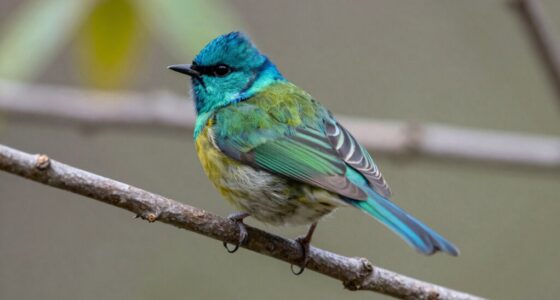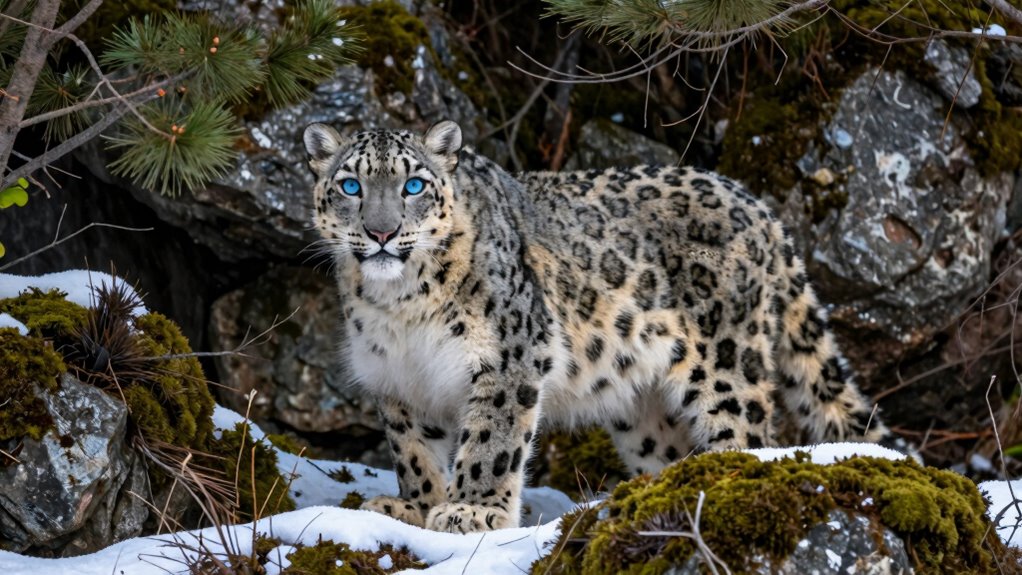

Camera traps help you study elusive species by letting you observe animals without disturbing them. They capture images and videos, day and night, revealing behaviors that are hard to see through direct observation. Placed near animal trails or water sources, these traps give you detailed insights into activity patterns and habitat preferences. This approach provides unbiased, concrete data that can improve conservation efforts. Keep exploring to discover how this technology continues to transform wildlife research.

Get pet supplies delivered free with Prime
- Fast, free delivery on millions of items
- Prime Video, Amazon Music and more included
- Member-only deals all year
Key Takeaways
- Capture images and videos of elusive species without disturbing their natural behaviors.
- Record nocturnal and crepuscular activities that are difficult to observe directly.
- Provide concrete data on population sizes, behaviors, and habitat use.
- Enable strategic placement to maximize detection of shy or wary animals.
- Offer unbiased, long-term monitoring to uncover hidden patterns and behaviors.
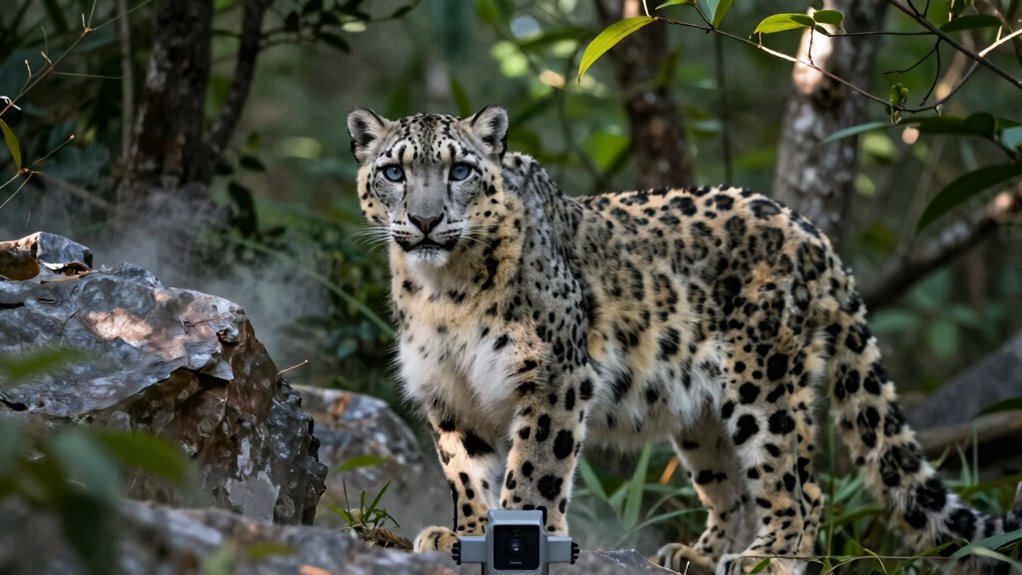
Camera traps have revolutionized the way scientists study elusive species that are difficult to observe directly in their natural habitats. These devices allow you to monitor animals without disturbing their routines, providing a window into their lives that was previously hard to access. When setting up a camera trap, you pay careful attention to camera placement. You want to position the cameras in spots where animals are most likely to pass, such as game trails, water sources, or feeding sites. The right placement ensures you capture clear images of species that are often shy or wary of humans. It’s vital to consider the animal’s typical movement patterns and habitat features, which increases your chances of recording meaningful data.
Strategic camera placement on trails and water sources enhances wildlife monitoring and data collection.
One of the biggest advantages of camera traps is their ability to document nocturnal behavior. Many elusive species are active at night, and traditional observation methods fall short during these hours. With a well-placed camera trap, you can leave it running 24/7, capturing images and videos of animals moving through their environment after dark. Infrared technology helps you record nighttime activity without startling the animals, allowing you to observe behaviors that would otherwise go unnoticed. This is especially valuable for studying species that are strictly nocturnal or crepuscular, as it provides insights into their activity patterns, feeding habits, and social interactions. Understanding these patterns can also inform conservation strategies, ensuring better protection for these species.
The combination of strategic camera placement and the ability to record nocturnal behavior transforms your understanding of these animals. For instance, you might discover that a species believed to be rare or shy is actually quite active during certain times of the night. The data collected through these unobtrusive methods can reveal behaviors, population sizes, and habitat preferences that are impossible to document through direct observation alone. Furthermore, the images and videos serve as concrete evidence, helping to inform conservation strategies and habitat management plans. Incorporating remote sensing technology into your research can further enhance data collection and analysis capabilities. Additionally, understanding the animal’s natural activity patterns through behavioral ecology can help optimize camera placement and data interpretation.
Ultimately, you realize that camera traps are powerful tools that open up new possibilities for studying elusive species. They allow you to gather detailed, unbiased data across various times of day and night, giving you a more complete picture of the animals’ lives. With thoughtful camera placement and an understanding of nocturnal behavior, you can uncover secrets of these mysterious creatures that were once hidden in the shadows. This method of data collection enhances our understanding of animal behavior and supports conservation efforts. Developing expertise in camera trap deployment and data analysis can significantly improve the quality of your research findings.
camera trap for wildlife monitoring
As an affiliate, we earn on qualifying purchases.
As an affiliate, we earn on qualifying purchases.
Frequently Asked Questions
How Long Do Camera Traps Typically Record Before Needing Maintenance?
Camera traps usually record for about 30 to 90 days before needing maintenance, depending on battery life and data storage capacity. When the batteries run low, the camera stops functioning, so you need to check and replace them. Additionally, if data storage fills up, it can’t save new images or videos, requiring you to download files and clear storage. Regular upkeep ensures continuous monitoring of elusive species.
Are Camera Traps Affordable for Small Research Projects?
You might think camera traps are a luxury only big projects can afford, but surprisingly, they’re quite affordable for small research efforts. With a careful cost analysis, you’ll find options that fit tight budgets, especially as technology advances and prices drop. Budget constraints no longer mean missing out on vital wildlife insights. Instead, you can deploy these devices strategically, making your small project both cost-effective and scientifically valuable.
What Are the Ethical Considerations of Using Camera Traps?
You need to consider wildlife privacy when using camera traps, ensuring you don’t disturb or intrude on animals’ natural behaviors. Data security is essential, so you should protect the images and information collected from unauthorized access. Ethically, you must balance research benefits with respecting animal habitats and privacy, avoiding unnecessary disruption. Proper planning and safeguards help maintain ethical standards while gathering valuable data on elusive species.
Can Camera Traps Identify Individual Animals Accurately?
Yes, camera traps can identify individual animals accurately through distinctive features like unique markings and patterns. You need to guarantee proper camera calibration to capture clear, consistent images, which helps in reliable individual identification. By comparing these images over time, you can track specific animals, monitor their behavior, and gather valuable data. Accurate identification depends on high-quality images and careful calibration to reduce errors.
How Do Weather Conditions Affect Camera Trap Effectiveness?
Weather impact can substantially affect your camera trap’s effectiveness. Rain, snow, or fog may trigger false images or cause malfunctions, reducing data quality. Harsh conditions can also threaten equipment durability, leading to quicker wear or damage. To guarantee reliable results, you need weather-resistant models, proper maintenance, and strategic placement. Monitoring weather patterns helps you anticipate issues and optimize camera performance, ensuring continuous data collection even in challenging conditions.
Conclusion
You see, camera traps reveal secrets that often go unnoticed, capturing elusive species in their natural habitat. They become your silent partners, quietly recording moments you might never witness firsthand. It’s almost like the animals choose to reveal themselves just when you’re searching for answers. These snapshots of life help you understand their world better, bridging the gap between mystery and discovery. In the end, camera traps turn coincidence into clarity, revealing nature’s hidden stories.
Fall Picks
fall essentials
As an affiliate, we earn on qualifying purchases.