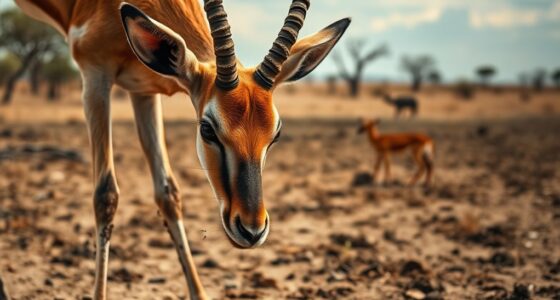

CITES, or the Convention on International Trade in Endangered Species, regulates the trade in endangered species to prevent illegal trafficking and promote conservation. Species are categorized into three appendices, based on their threat level. Countries must enforce these regulations within their own laws, but collaboration among governments, NGOs, and individuals is essential. By raising awareness and supporting legal trade efforts, you can play a role in protecting biodiversity. There’s more to explore about CITES and its global impact.
Key Takeaways
- CITES regulates international trade in endangered species to prevent illegal wildlife trade and protect biodiversity.
- Species are categorized into three appendices, determining the level of trade restrictions based on their conservation status.
- Member countries are responsible for enforcing CITES regulations within their legal frameworks and ensuring compliance.
- Education and awareness campaigns are crucial for informing the public about the impacts of illegal wildlife trade.
- Collaborative efforts among governments, NGOs, and individuals enhance conservation initiatives and global responsibility in protecting species.

Have you ever wondered how the world protects endangered species from illegal trade? The illegal wildlife trade is a massive global issue, threatening countless species and disrupting ecosystems. To combat this crisis, countries have come together to form agreements and frameworks, and one of the most significant is the Convention on International Trade in Endangered Species of Wild Fauna and Flora, commonly known as CITES. This treaty plays a pivotal role in regulating and monitoring international trade in endangered species while promoting their conservation.
The illegal wildlife trade threatens countless species, but CITES is a vital treaty promoting their conservation and regulating international trade.
CITES enforcement is essential in the fight against the illegal wildlife trade. When you think about how these protections work, consider that CITES categorizes species into three levels of protection based on how threatened they are. These categories—Appendix I, Appendix II, and Appendix III—determine the rules for trade. Species listed in Appendix I are the most endangered, and trade in them is prohibited unless under exceptional circumstances. On the other hand, Appendix II species can be traded under strict regulations, while Appendix III species are protected in at least one country, requiring cooperation from others to prevent illegal trade.
You might be surprised to learn that CITES doesn’t operate like a traditional enforcement agency. Instead, it relies on member countries to implement the treaty’s regulations within their own legal systems. This means that each country is responsible for guaranteeing compliance and enforcing the rules. When a country fails to do so, it can face sanctions or lose its CITES membership. This decentralized approach can be challenging, but it also empowers nations to tailor their conservation strategies to local contexts.
As you navigate the complexities of wildlife conservation, it’s fundamental to recognize the role of education and awareness. CITES provides resources and support for countries to build capacity and strengthen enforcement mechanisms. By raising awareness about the illegal wildlife trade and its impacts, you can play a part in tackling this issue. Supporting organizations that promote legal trade and conservation can also make a difference.
Ultimately, CITES enforcement is a collaborative effort that requires commitment from governments, NGOs, and individuals like you. By understanding how these protections work, you can contribute to a global movement aimed at preserving our planet’s precious biodiversity. Together, we can combat the illegal wildlife trade and guarantee that future generations inherit a world filled with diverse and thriving species.
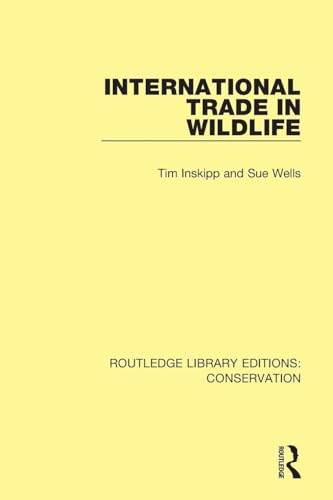
International Trade in Wildlife (Routledge Library Editions: Conservation)
As an affiliate, we earn on qualifying purchases.
As an affiliate, we earn on qualifying purchases.
Frequently Asked Questions
How Can I Report Illegal Wildlife Trade Activities?
You can report illegal wildlife trade activities by contacting local wildlife authorities or law enforcement agencies. Use wildlife monitoring tools to gather evidence, like photos or videos, which can support your claims. Many organizations also have hotlines for reporting suspicious activities. Supporting enforcement strategies is vital, so stay informed about local laws and participate in community awareness programs. Your vigilance can help protect endangered species from illegal exploitation and trafficking.
What Is the Process for Listing Species Under CITES?
To list a species under CITES, you’ll need to follow a structured process. First, you must gather data on the species’ population and distribution to support its classification. Then, evaluate the listing criteria, including its risk of extinction and trade impact. Once you’ve compiled the necessary information, submit a proposal during a CITES Conference of the Parties. Delegates will review and vote on the listing based on your submitted evidence and recommendations.
Are There Penalties for CITES Violations?
Yes, there are penalties for CITES violations. If you’re caught violating regulations, you could face hefty fines, imprisonment, or both, depending on the severity of the offense. Countries enforce compliance measures to guarantee adherence to CITES, and they may impose additional penalties to deter illegal trade. By understanding these consequences, you can appreciate the importance of protecting endangered species and the role you play in supporting conservation efforts.
How Does CITES Impact Local Communities?
CITES impacts local communities by promoting local conservation efforts that protect endangered species while supporting community livelihoods. When communities engage in sustainable practices, they can benefit economically through eco-tourism and responsible resource management. This balance encourages residents to value their natural resources, reducing poaching and habitat destruction. By fostering collaboration between conservation organizations and local people, CITES helps guarantee that both wildlife and communities thrive together, creating a sustainable future for all.
Can Individuals Apply for CITES Permits?
Absolutely, you can apply for CITES permits as an individual! Think of it as opening a door to support wildlife conservation. When you submit your permit application, you’re taking a stand to protect endangered species while participating in legal trade. Just guarantee you follow the specific guidelines for your country, as they can vary. Your application can make a difference, paving the way for ethical practices in preserving our planet’s precious wildlife.

Wildlife Conservation Poster Print – Protect Our Endangered Species – 13×19 – Rustic Earthy Decor
WILDLIFE CONSERVATION MESSAGE: This 13×19 poster features bold silhouettes of endangered animals with the powerful message 'Protect Our…
As an affiliate, we earn on qualifying purchases.
As an affiliate, we earn on qualifying purchases.
Conclusion
In summary, CITES serves as a gentle guardian, softly shielding our planet’s most vulnerable species from the shadows of international trade. By fostering awareness and cooperation among nations, it helps guarantee that these remarkable creatures can continue to thrive in their natural habitats. So, let’s embrace this vital effort, supporting the delicate balance of nature and preserving the rich tapestry of biodiversity for future generations to cherish and admire. Together, we can make a difference.

Wildlife Protection Awareness Nature Reflection Quote T-Shirt
Lightweight, Classic fit, Double-needle sleeve and bottom hem
As an affiliate, we earn on qualifying purchases.
As an affiliate, we earn on qualifying purchases.
illegal wildlife trade prevention kit
As an affiliate, we earn on qualifying purchases.
As an affiliate, we earn on qualifying purchases.