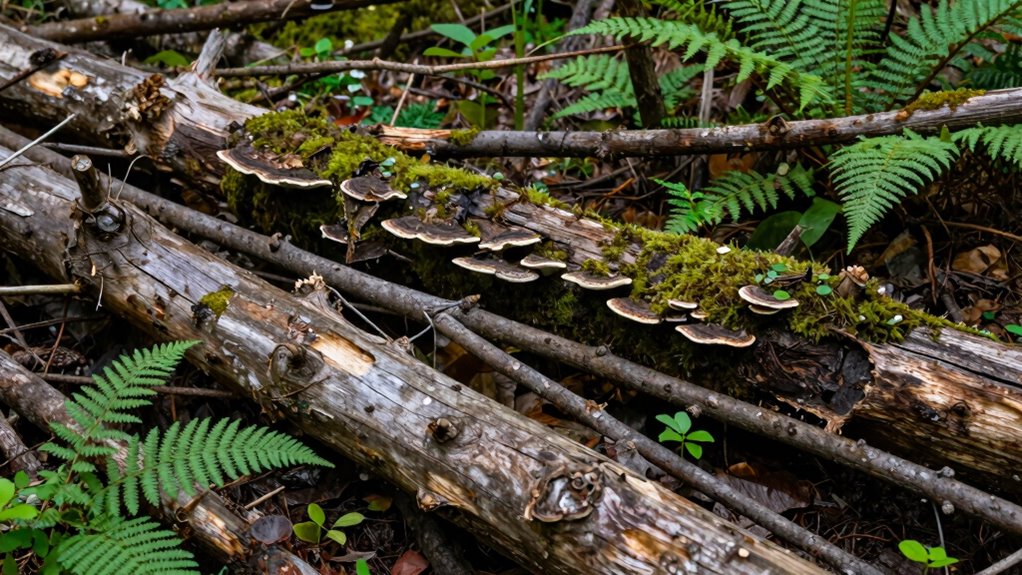

Dead wood is key to a healthy forest because it provides essential habitats for insects, birds, and small mammals. It also boosts biodiversity by offering diverse living spaces and sustaining various species. As it decomposes, dead wood releases nutrients that support plant growth and soil health. Removing it can weaken ecosystem stability and hinder forest regeneration. To understand how dead wood keeps forests resilient and thriving, keep exploring its crucial role in nature’s cycle.

Get pet supplies delivered free with Prime
- Fast, free delivery on millions of items
- Prime Video, Amazon Music and more included
- Member-only deals all year
Key Takeaways
- Dead wood provides essential habitats for insects, birds, and mammals, supporting overall biodiversity.
- It plays a vital role in nutrient cycling by decomposing and enriching the soil.
- Dead wood enhances ecosystem stability and resilience by fostering habitat diversity.
- Removing dead wood reduces habitat availability and hampers forest regeneration.
- Maintaining dead wood sustains ecosystem health and prevents loss of biodiversity.
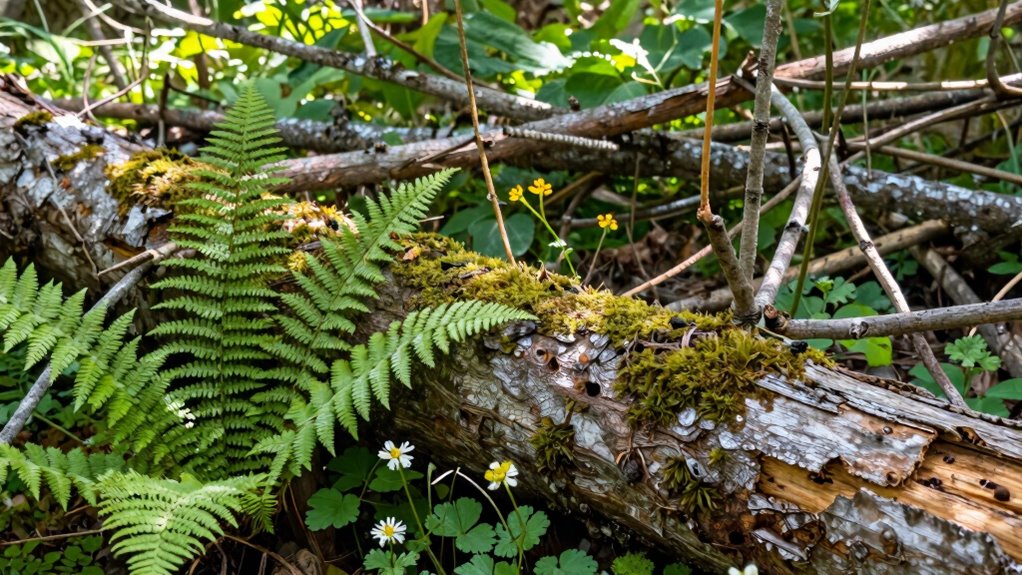
Dead wood might seem like clutter in a forest, but it actually plays an essential role in maintaining a healthy ecosystem. When you see fallen logs or decaying branches, remember that they are crucial for supporting wildlife habitats. Many insects, birds, and small mammals rely on dead wood for shelter, nesting, and feeding. For example, woodpeckers drill into dead trees to find insects, while fungi grow on decaying logs, creating microhabitats for countless creatures. As you walk through a forest, notice how these pieces of dead wood serve as miniature ecosystems—providing shelter and food sources that keep the habitat diverse and resilient. Without dead wood, many species would struggle to find suitable living spaces, which could lead to a decline in biodiversity. Additionally, dead wood promotes biodiversity, supporting a wide range of organisms that depend on decaying plant material. Furthermore, dead wood is a key player in nutrient cycling within forests. When it decomposes, it releases essential nutrients back into the soil, fueling the growth of plants and maintaining soil health. This process is a vital aspect of nutrient cycling, which sustains forest productivity. You can think of dead wood as nature’s recycling system. As fungi, bacteria, and other decomposers break down the wood, they transform complex organic matter into simpler compounds that plants readily absorb. This process supports the overall productivity of the forest, ensuring that nutrients aren’t lost but instead reused in a continuous cycle. The presence of dead wood also encourages microhabitat diversity, which is crucial for supporting a variety of species and maintaining ecosystem stability. Decomposing dead wood also provides habitat diversity, which enhances the resilience of forests against environmental stresses. If dead wood is removed or decayed too quickly, the natural replenishment of nutrients slows down, which can weaken the forest’s ability to regenerate and sustain itself.
Frequently Asked Questions
How Does Dead Wood Influence Forest Carbon Storage?
Dead wood plays an essential role in forest carbon storage by serving as a vital element in carbon sequestration. As it decomposes, it slowly releases carbon back into the atmosphere, but it also promotes nutrient cycling, supporting new plant growth that absorbs more CO2. Your role in maintaining dead wood helps sustain this natural process, ensuring the forest continues to act as a carbon sink and maintains its ecological balance effectively.
Can Dead Wood Help Prevent Forest Fires?
Like the phoenix rising, dead wood can help prevent forest fires by reducing fuel buildup through fungal decomposition and nutrient cycling. When dead wood decomposes, it breaks down into less flammable material, lowering fire risk. This natural process promotes healthy nutrient cycling, strengthening forest resilience. By maintaining dead wood, you support a balanced ecosystem that’s better equipped to manage and mitigate the destructive power of wildfires.
What Animals Rely Exclusively on Dead Wood Habitats?
You might not realize it, but many animals rely exclusively on dead wood habitats, supporting habitat diversity and ecosystem resilience. For example, wood-boring beetles, certain fungi, and some bird species depend entirely on dead logs for shelter and food. By maintaining dead wood in forests, you help guarantee these specialized species thrive, contributing to a balanced ecosystem that’s more resilient to disturbances and promoting overall forest health.
How Long Does Dead Wood Typically Remain in Forests?
Dead wood can last anywhere from a few years to over a century in forests, depending on factors like decay process and climate. As it slowly breaks down, it acts like a nutrient cycling conveyor belt, enriching the soil and supporting new growth. You’ll find that in healthy forests, dead wood remains an essential, lasting part of the ecosystem, continuously fueling the cycle of life.
Are There Risks Associated With Leaving Dead Wood in Forests?
Leaving dead wood in forests can pose risks, especially if it becomes a fire hazard or harbors pests. However, it plays an essential role in forest nutrient cycling and dead wood decomposition, which enriches soil and promotes healthy plant growth. You should balance these risks and benefits by managing dead wood appropriately, ensuring it supports ecosystem health while minimizing potential dangers for the forest and its inhabitants.
Conclusion
Just as the phoenix rises from its ashes, dead wood fuels the rebirth of vibrant forests. By leaving fallen trees and decaying branches, you nurture a thriving ecosystem where life continues in cycles. Ignoring this essential process risks turning lush landscapes into lifeless deserts. Embrace the wisdom of nature’s balance, and remember: in the grand story of the forest, dead wood isn’t an end but a powerful beginning. Your role in protecting this cycle is more indispensable than ever.
Fall Picks
fall essentials
As an affiliate, we earn on qualifying purchases.