Lead poisoning still threatens scavenger species because contaminated carcasses and environments contain persistent lead particles that don’t easily break down. When vultures, condors, and other scavengers ingest this lead, it causes both immediate and long-term health issues, including reproductive failure and population declines. Lead remains in soil and water for years, making exposure an ongoing risk. If you want to understand how these dangers continue and what can be done, there’s more to uncover.

Get pet supplies delivered free with Prime
- Fast, free delivery on millions of items
- Prime Video, Amazon Music and more included
- Member-only deals all year
Key Takeaways
- Lead from contaminated carcasses causes both acute and chronic poisoning in scavengers like vultures and condors.
- Ongoing use of lead-based ammunition continues to introduce toxic lead into scavenger food sources.
- Lead persists in the environment, accumulating in soil and water, increasing exposure risks for wildlife.
- Bioaccumulation of lead damages scavengers’ health, impairing reproduction and survival rates.
- Despite mitigation efforts, environmental lead contamination remains a significant threat to scavenger populations.
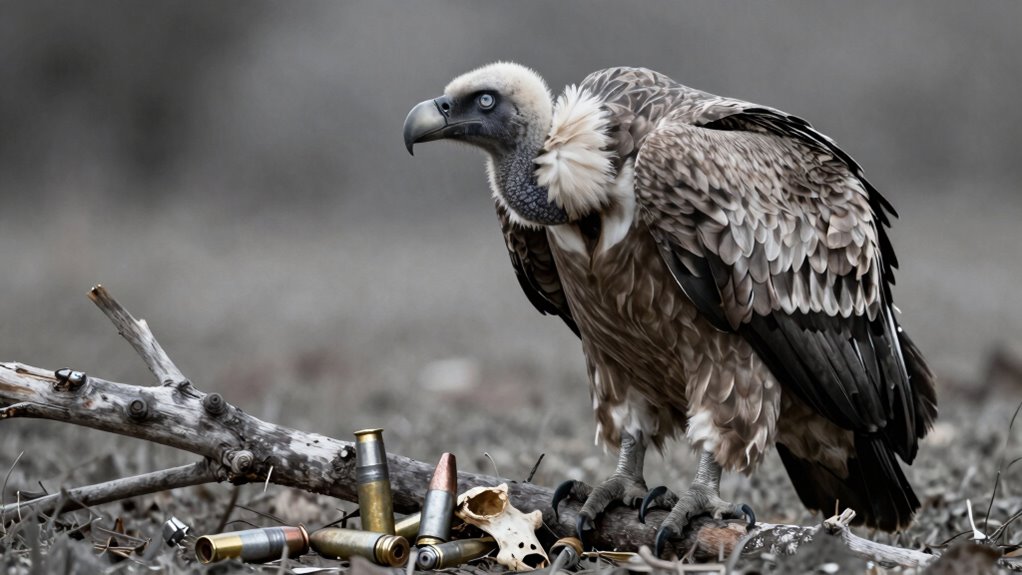
Lead poisoning is posing a serious threat to scavenger species, many of which rely on carrion contaminated with remnants of lead-based ammunition. When animals like vultures, condors, and other scavengers feed on carcasses shot with lead bullets, they inadvertently ingest small but lethal amounts of lead. This exposure can cause acute poisoning or long-term health issues, impairing their ability to hunt, reproduce, and survive. As a result, populations of these essential species decline, which disrupts the balance of ecosystems and hampers wildlife conservation efforts. The persistence of lead in the environment makes this problem particularly insidious, especially since lead does not break down easily and can remain in soil and tissues for years. Additionally, the environmental persistence of lead means that contamination can have lasting effects on wildlife and habitats. Industrial pollution, a major contributor to environmental contamination, exacerbates this crisis. While industries have made strides to reduce their emissions, lead from mining, manufacturing, and improper waste disposal continues to contaminate land and water sources. This pollution spreads beyond industrial sites, entering food chains and affecting a broad range of wildlife, including scavengers. When lead particles settle in the environment, they increase the risk of animals ingesting contaminated soil or water, which further the dangers posed by lead ammunition. The bioaccumulation of lead in tissues can lead to more severe health impacts across different species within the food chain. Furthermore, the long-term environmental effects of lead contamination can hinder ecosystem recovery and resilience. The bioaccumulation of lead can also lead to genetic mutations and developmental issues in affected animals, compounding the severity of the crisis. In many regions, the combination of industrial pollution and ongoing hunting practices means that lead exposure remains a persistent threat to scavenger populations.
Lead poisoning threatens scavengers, harming populations and disrupting ecosystems through persistent environmental contamination.
Your role in wildlife conservation becomes essential here. By supporting policies that restrict or ban the use of lead ammunition, you help reduce the primary source of lead poisoning in scavengers. Promoting the use of non-toxic alternatives, such as copper or steel bullets, can markedly lower these animals’ risks. Additionally, advocating for stricter regulations on industrial pollution can help diminish the overall environmental lead load, creating a safer habitat for all wildlife. Managing waste properly, enforcing environmental laws, and supporting clean-up efforts are important steps you can take to mitigate this problem.
Without concerted action, the cycle of lead poisoning will continue to threaten these species, undermining decades of conservation work. You hold the power to influence change—whether through education, policy, or personal choices—that can help protect scavengers from the deadly legacy of industrial pollution and lead-based ammunition. Protecting these animals isn’t just about saving individual species; it’s about maintaining the health of entire ecosystems and ensuring that future generations can experience the richness of our natural world.
As an affiliate, we earn on qualifying purchases.
Frequently Asked Questions
How Does Lead Poisoning Specifically Affect Scavenger Reproductive Health?
Lead poisoning impairs scavenger reproductive health by causing reproductive toxicity, which reduces fertility and hampers offspring development. You might notice decreased genetic resilience, making it harder for populations to adapt and survive. Lead affects hormone regulation and damages reproductive organs, leading to lower reproductive success. As a result, scavenger species face declining numbers, risking their long-term survival and disrupting ecological balance.
Are Certain Scavenger Species More Vulnerable to Lead Poisoning?
Yes, certain scavenger species are more vulnerable to lead poisoning due to urban waste and poison exposure. You’ll notice that species like vultures and ravens often scavenge near landfills or contaminated carcasses, increasing their risk. These animals tend to ingest lead fragments or contaminated tissues, making them particularly susceptible. Their feeding habits and proximity to human waste sources put them at higher danger of lead poisoning compared to other scavengers.
What Are the Long-Term Ecological Impacts of Lead Poisoning in Scavengers?
Lead poisoning causes long-term ecological impacts by increasing lead bioaccumulation in scavengers, which weakens their health and reproductive success. As these animals decline, it disrupts the ecosystem balance, affecting predator-prey relationships and reducing biodiversity. This ecosystem disruption can lead to unstable food webs, making the environment more vulnerable to further disturbances. Your efforts to reduce lead exposure are essential to maintaining healthy, resilient ecosystems.
How Is Lead Poisoning Detected in Scavenger Populations?
You can detect lead poisoning in scavenger populations by analyzing tissue samples for toxic metal accumulation, especially in bones, liver, and blood. Behavioral changes, like disorientation or decreased foraging activity, often signal poisoning. You might also observe symptoms such as weakness or tremors. Regular monitoring through necropsies and blood tests helps identify lead exposure early, allowing for timely intervention and better understanding of the poisoning’s impact on these animals.
Can Scavengers Develop Immunity to Lead Poisoning Over Time?
You might wonder if scavengers can develop immunity to lead poisoning. While some animals show lead accumulation and potential toxic resistance, true immunity is rare. Over time, individuals may build a partial resistance, but this doesn’t eliminate the risks. Lead buildup can still cause severe health issues, and widespread resistance is unlikely. Hence, ongoing exposure remains dangerous, and preventive measures are essential to protect scavengers from lead poisoning.
Conclusion
You can’t ignore the silent threat of lead poisoning—it’s like a shadow creeping over scavengers, draining their energy and disrupting ecosystems. Every contaminated carcass is a ticking time bomb, risking the health of species that play essential roles in nature’s balance. If we don’t act now, we’re letting this invisible poison write the final chapter for many scavengers. It’s time to break the chain before these crucial creatures become ghosts in the wilderness.
Evergreen bestsellers Picks
bestsellers
As an affiliate, we earn on qualifying purchases.