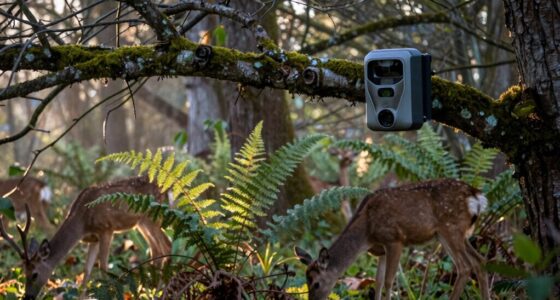
Habitat fragmentation happens when urban development and agriculture break up natural landscapes, creating barriers that wildlife can’t cross. This leads to a decline in biodiversity and makes it harder for species to find food and mates. Solutions include implementing wildlife corridors, supporting conservation initiatives, and promoting sustainable practices to minimize habitat loss. By addressing these issues, you can help protect ecosystems. There are even more ways to get involved and make a difference ahead.

Get pet supplies delivered free with Prime
- Fast, free delivery on millions of items
- Prime Video, Amazon Music and more included
- Member-only deals all year
Key Takeaways
- Urban development and agriculture expansion significantly contribute to habitat fragmentation by converting natural landscapes into developed areas.
- Wildlife corridors can effectively connect fragmented habitats, allowing for species movement and genetic diversity.
- Sustainable agricultural practices help minimize habitat loss and promote ecological health in landscapes.
- Community engagement and education raise awareness about the impacts of fragmentation and inspire conservation efforts.
- Advocacy for green spaces in urban planning is essential for protecting wildlife and preserving biodiversity.
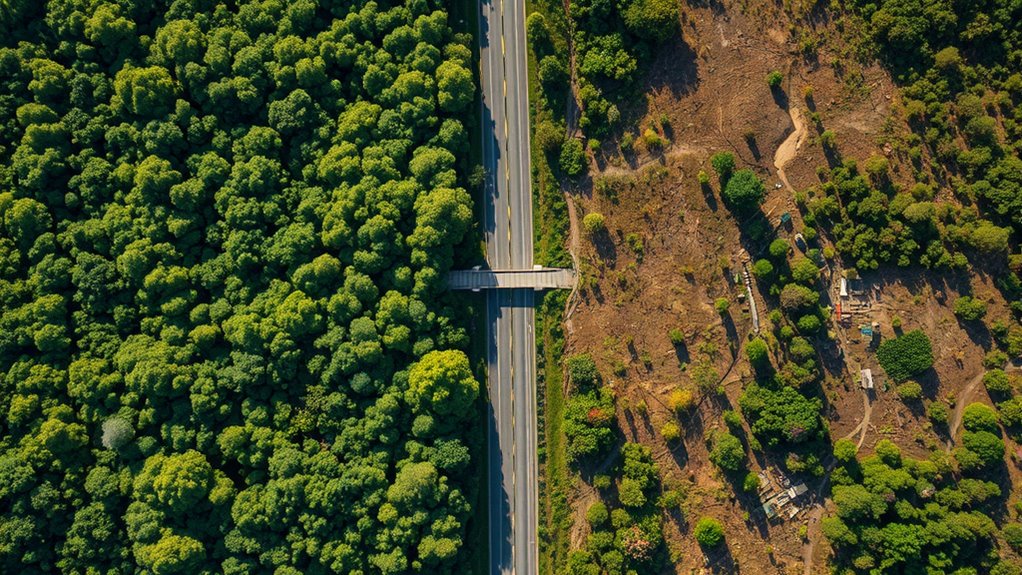
As urban development and agriculture expand, habitat fragmentation becomes an increasingly pressing issue for wildlife. You’ll notice how urban sprawl and agricultural expansion carve up natural landscapes, isolating animal populations and disrupting ecosystems. When you drive through newly developed areas, you might see once-thriving habitats replaced by concrete and farmland, leaving wildlife with fewer places to roam. This fragmentation can create “edge effects,” where the conditions at the borders of these isolated patches differ markedly from the interior habitats, often making it harder for species to survive.
Think about the animals that once thrived in these areas. As their habitats shrink, they face challenges such as reduced food sources, increased competition, and heightened vulnerability to predators. For instance, small mammals and birds might find it tough to navigate between fragmented areas to reach necessary resources. You might even witness a decline in biodiversity as species become unable to adapt to these new, fragmented environments.
As habitats shrink, wildlife faces food shortages, competition, and threats, leading to a decline in biodiversity.
Moreover, the roads and development you see can lead to increased vehicle-wildlife collisions, further threatening populations. When animals attempt to cross these barriers, they often face deadly consequences. You could be part of the solution, though. By advocating for wildlife corridors—designated passages that connect fragmented habitats—you can help make certain that species can move freely and safely.
Community engagement is essential in addressing habitat fragmentation. You can support local conservation initiatives that aim to protect and restore these critical ecosystems. Participating in tree planting programs or advocating for sustainable agricultural practices helps mitigate the effects of agricultural expansion. You might also encourage local policymakers to prioritize green spaces and wildlife-friendly development that ensures new projects consider the needs of local wildlife.
Education plays a meaningful role in combating habitat fragmentation, too. By sharing your knowledge of the importance of interconnected habitats, you can inspire others to appreciate and protect these natural resources. As you engage in discussions about urban sprawl and its impact, you might motivate your friends and family to consider the long-term implications of unchecked development.
In the end, while urban development and agricultural expansion may seem inevitable, you have the power to influence positive change. By taking action and raising awareness, you can help protect wildlife and make certain that future generations inherit a diverse, thriving natural world. Together, we can reduce habitat fragmentation and foster a better coexistence between humans and wildlife.
As an affiliate, we earn on qualifying purchases.
Frequently Asked Questions
How Does Habitat Fragmentation Affect Human Health?
Habitat fragmentation negatively impacts your health by reducing biodiversity, which can lead to increased disease transmission. When natural habitats shrink, wildlife becomes more concentrated, making it easier for pathogens to spread to humans. You may find yourself at a higher risk for zoonotic diseases, as fragmented ecosystems often disrupt the balance of species. This loss of biodiversity can also affect the availability of natural resources that support your well-being, like clean air and water.
What Role Do Invasive Species Play in Fragmentation?
Imagine a scene from an epic battle; invasive species charge into ecosystems, causing ecological disruption. They often outcompete native species for resources, leading to a decline in biodiversity. As habitats become fragmented, these invaders can spread more easily, exploiting gaps and weakening the resilience of native communities. You might not realize it, but every time you encounter an invasive plant or animal, you’re witnessing a small part of this larger struggle for survival.
Can Urban Planning Mitigate Habitat Fragmentation?
Yes, urban planning can mitigate habitat fragmentation. By incorporating green spaces and creating urban corridors, you help maintain wildlife connectivity and enhance biodiversity. These corridors allow animals to move freely between fragmented habitats, reducing isolation. When you prioritize green infrastructure in your designs, you promote healthier ecosystems and improve the quality of life for residents. So, consider how your planning decisions impact the environment, and prioritize sustainable practices for a thriving urban landscape.
How Does Climate Change Influence Habitat Fragmentation?
Climate change influences habitat fragmentation by altering ecosystems and disrupting connectivity. As temperatures rise and weather patterns shift, species struggle to adapt, leading to isolated populations. You can enhance climate resilience by supporting initiatives that protect and restore corridors for wildlife movement. By prioritizing ecosystem connectivity, you help ensure that species can migrate and thrive, even as climate conditions change, ultimately reducing the impacts of fragmentation on biodiversity.
What Are the Economic Impacts of Habitat Fragmentation?
Habitat fragmentation can lead to significant economic loss by disrupting ecosystems that support industries like agriculture, forestry, and tourism. As biodiversity declines, the services these ecosystems provide, such as pollination and water purification, diminish, affecting food production and local economies. You might find that the costs of managing these impacts, along with reduced recreational opportunities, ultimately strain financial resources, making it essential to address the underlying causes of fragmentation.
Conclusion
In conclusion, tackling habitat fragmentation takes teamwork and tenacity. By prioritizing protection and promoting preservation, you can play a pivotal role in restoring resilient ecosystems. Remember, every effort counts—small steps lead to significant strides. So, stay savvy and support sustainable solutions that safeguard our precious natural spaces. Together, we can turn the tide on turmoil, creating a brighter, bountiful future for both wildlife and our world. Let’s champion change and cherish our cherished habitats!
Halloween Picks
halloween
As an affiliate, we earn on qualifying purchases.