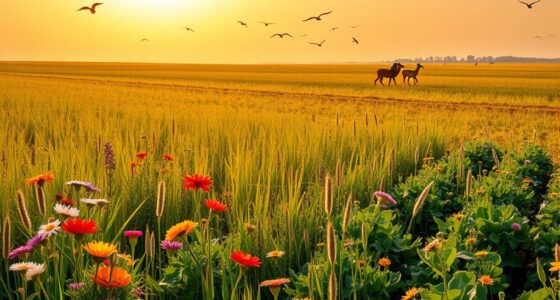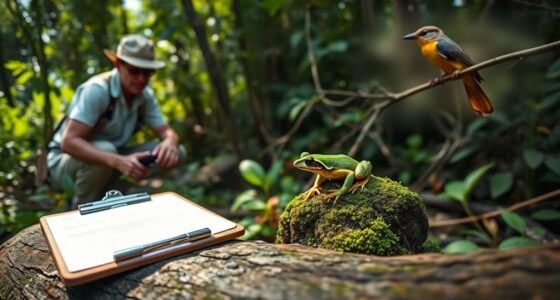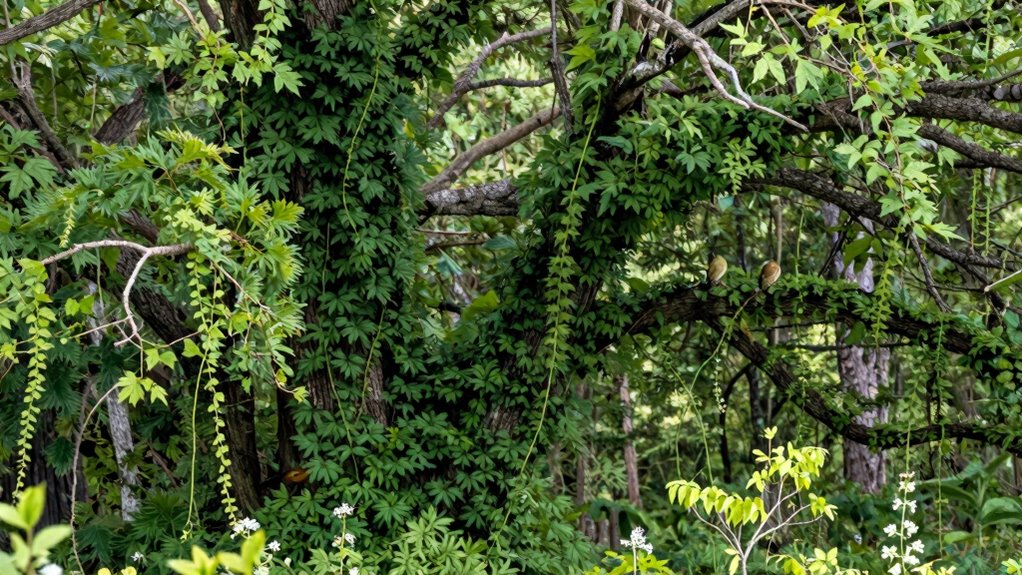

Invasive plants can profoundly alter animal habitats by outcompeting native species and creating dense monocultures that block sunlight and reduce biodiversity. This disrupts food sources, shelter, and breeding grounds for native wildlife. They also cause habitat fragmentation and physical changes, making it tough for animals to find safe nesting sites or access water. If you keep exploring, you’ll discover how these plant invasions threaten the entire ecosystem balance.

Get pet supplies delivered free with Prime
- Fast, free delivery on millions of items
- Prime Video, Amazon Music and more included
- Member-only deals all year
Key Takeaways
- Invasive plants outcompete native species, reducing habitat availability for native animals.
- Dense monocultures block sunlight, hindering native plant growth and decreasing food sources for animals.
- Physical alterations, like tangled vines, destroy nesting sites and shelter for small animals and birds.
- Aquatic invasive plants clog waterways, lowering oxygen levels and impacting aquatic animal survival.
- Habitat fragmentation caused by invasive plants isolates populations, reducing genetic diversity and resilience.

Invasive plants can dramatically alter animal habitats, often outcompeting native species and disrupting ecosystem balance. When these non-native plants invade an area, they quickly spread, overshadowing the native flora that animals rely on for food, shelter, and breeding grounds. As a result, the animals that depend on native plants find their habitats shrinking or changing in ways that threaten their survival. This shift can force animals to adapt rapidly or relocate, which isn’t always possible, especially if the invasive species dominate large areas.
Invasive plants threaten native habitats, forcing animals to adapt, relocate, or face decline.
Once invasive plants establish themselves, they often form dense monocultures that block sunlight from reaching native plants. This prevents native species from regenerating and reduces plant diversity, which is crucial for maintaining a healthy ecosystem. Without a diverse plant community, herbivores lose their preferred food sources, and predators lose their prey, leading to cascading effects throughout the food chain. The loss of native plants also affects pollinators and seed dispersers, further destabilizing the ecosystem balance.
You might notice that invasive plants often alter the physical structure of habitats, making them less suitable for native animals. For example, some invasive vines or shrubs can tangle or overshadow native plants, making it difficult for ground-nesting birds or small mammals to find safe nesting sites. Aquatic invasive plants can clog waterways, reducing oxygen levels and making it hard for fish and amphibians to survive. These physical changes can fragment habitats, isolating populations and reducing genetic diversity, which weakens the resilience of local wildlife.
Furthermore, invasive plants can introduce new competition for resources, which native species are not adapted to withstand. This competitive pressure can lead to declines or local extinctions of native plants, further reducing the variety of food and shelter options for native animals. As native species dwindle, the entire ecosystem becomes less resilient, more vulnerable to pests, diseases, and environmental changes. The disruption of native plant communities compromises the intricate relationships that keep ecosystems functioning properly, leading to long-term declines in biodiversity.
In essence, by displacing native species and altering the physical and biological makeup of habitats, invasive plants pose a serious threat to the delicate ecosystem balance. They challenge native animals’ ability to thrive, forcing them into difficult choices—adapt, relocate, or face extinction. Protecting native species and controlling invasive plants aren’t just about preserving plant diversity; they’re critical steps toward maintaining healthy, resilient ecosystems that support a wide array of animal life.
As an affiliate, we earn on qualifying purchases.
Frequently Asked Questions
How Do Invasive Plants Spread so Quickly Across Different Regions?
You might notice invasive plants spread quickly because they have high growth rates and efficient seed dispersal methods. They often produce many seeds that travel far by wind, water, or animals, helping them colonize new areas rapidly. Their adaptability to various environments and ability to outcompete native plants also boost their spread. This combination of fast growth and effective seed dispersal makes invasive plants a major threat to local ecosystems.
Are There Any Invasive Plants That Benefit Native Animal Species?
Some invasive plants can benefit native animal species by providing additional food or shelter, especially when they adapt well to local conditions. You might notice certain invasive plants offering native birds or insects new nesting sites or feeding opportunities, thanks to their adaptations. While invasive species generally threaten ecosystems, a few can temporarily support native animals by filling gaps left by habitat loss or native plant decline.
What Specific Animals Are Most Affected by Invasive Plant Changes?
Imagine you’re a bee in a world of invasive plants; your pollinator decline worsens as native blossoms disappear. You’re most affected because invasive species disrupt nesting sites and reduce food sources, impacting birds, butterflies, and small mammals. These plants alter habitats, making it harder for animals to find shelter and sustenance. Your role as a pollinator becomes more challenging, threatening the balance of local ecosystems and the survival of many native species.
Can Invasive Plants Completely Replace Native Plant Species?
Yes, invasive plants can completely replace native plant species, leading to native plant decline. When invasives dominate, they alter the habitat structure, reducing biodiversity and causing ecosystem imbalance. You might notice fewer native plants and wildlife, as invasive species often outcompete or displace native ones. This shift impacts food sources and shelter, making it harder for native animals to survive and thrive in their original habitats.
How Long Does It Take for Invasive Plants to Significantly Alter Habitats?
Imagine a clock ticking, signaling change that’s both relentless and silent. Invasive plants can begin profoundly altering habitats within just a few years, especially as native plant decline accelerates. This rapid takeover threatens ecosystem stability, disrupting food sources and shelter for animals. Your awareness of this swift transformation highlights how invasive species can swiftly reshape habitats, emphasizing the urgent need for early intervention to protect native biodiversity and maintain ecological balance.
Conclusion
You now see how invasive plants alter habitats, how they change food sources, shelter, and the very balance of ecosystems. You understand how they compete with native species, how they reshape landscapes, and how they threaten biodiversity. Just as invasive plants invade and transform, you can also take action—protect, restore, and preserve. Because when you act, you help defend habitats, support native species, and keep ecosystems healthy and thriving.
Fall Picks
fall essentials
As an affiliate, we earn on qualifying purchases.