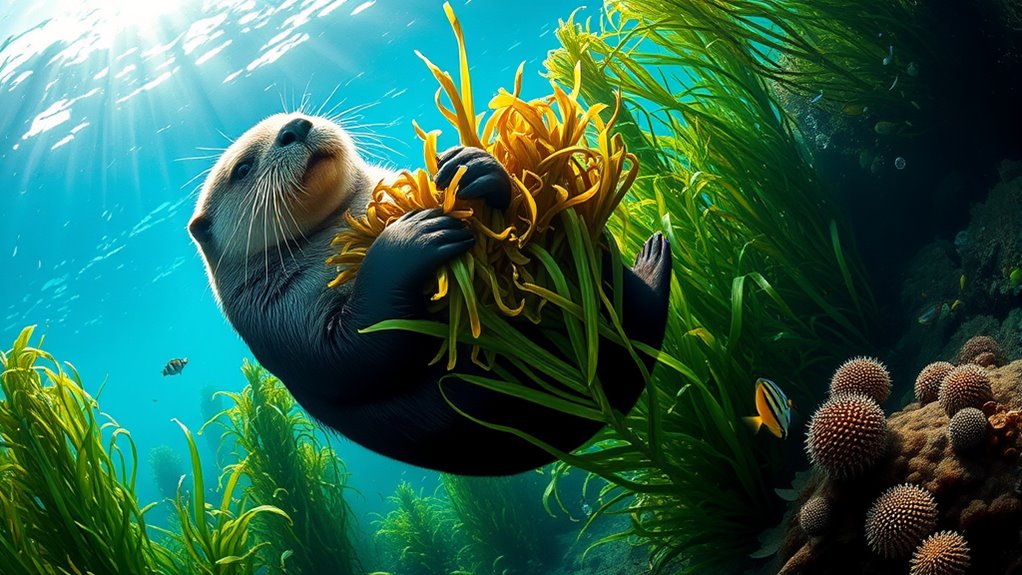

A keystone species is one that has an outsized impact on its ecosystem, helping maintain balance and structure. Their presence affects many other species, ensuring diverse populations thrive. When these species disappear, it can lead to cascading effects that destabilize the entire ecosystem. Protecting keystone species is vital for preserving biodiversity and habitat stability. Want to find out more about the role of these species and their importance in our ecosystems?

Get pet supplies delivered free with Prime
- Fast, free delivery on millions of items
- Prime Video, Amazon Music and more included
- Member-only deals all year
Key Takeaways
- Keystone species significantly influence ecosystem structure and function, maintaining balance among various species.
- Their absence can lead to overpopulation or decline of other species, destabilizing the entire ecosystem.
- Protecting keystone species is crucial for preserving biodiversity and ecological health.
- Conservation efforts focused on these species support the resilience and recovery of habitats.
- Recognizing and prioritizing keystone species helps ensure long-term sustainability of ecosystems.
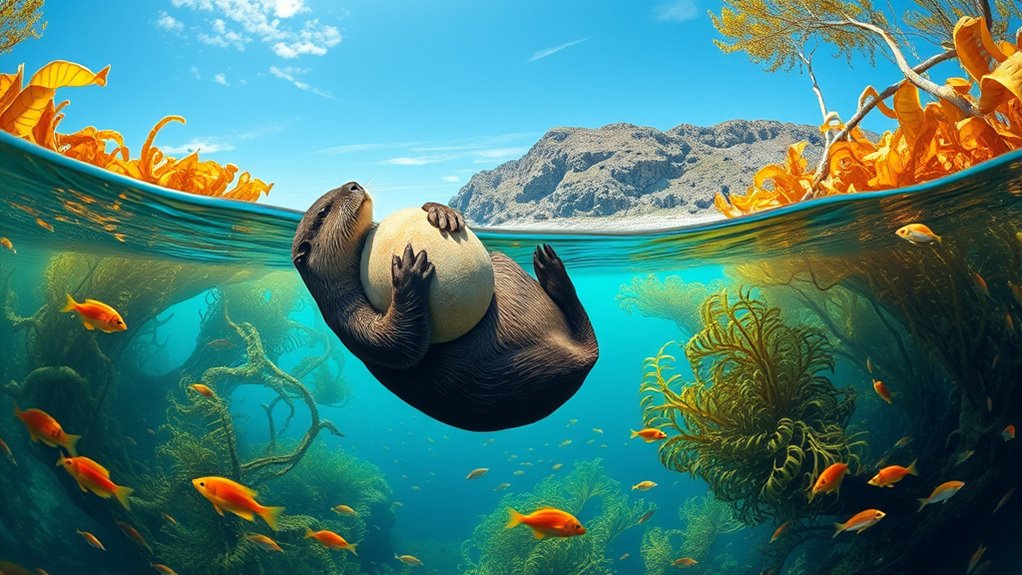
Have you ever wondered how certain species shape their ecosystems? Keystone species play a pivotal role in maintaining the ecosystem balance, often having a disproportionately large impact compared to their abundance. These species can be predators, herbivores, or even plants, and their presence or absence can lead to significant changes within their environment. For example, consider the sea otter; it helps control sea urchin populations. Without otters, urchins can overgraze kelp forests, leading to devastating consequences for marine life and the ecosystem as a whole.
Understanding the concept of keystone species highlights the conservation importance of protecting these essential organisms. When you think about it, conserving a keystone species isn’t just about saving one animal or plant; it’s about maintaining the integrity of an entire ecosystem. Losing a keystone species often leads to a cascading effect, where the loss of one species triggers a series of changes that can destabilize the entire system. This means that the impacts reach far beyond the immediate loss, affecting countless other species and the habitats they rely on.
Conserving keystone species is vital for ecosystem integrity, as their loss can trigger destabilizing effects throughout their environment.
You might be wondering how you can recognize a keystone species in your own environment. Look for species that have a major influence on their ecosystem’s structure and function. Often, these species help regulate populations within their habitat, ensuring that no single species dominates and that a diverse array of life can thrive. By understanding their role, you can appreciate the delicate interplay of life forms within an ecosystem, which is essential for its health and sustainability. Additionally, recognizing conservation strategies that prioritize keystone species can enhance ecosystem resilience.
Conservation efforts that focus on keystone species are fundamental because they can lead to more effective management strategies. By prioritizing the protection of these species, you’re not only safeguarding them but also promoting the overall health of the ecosystem they support. This approach can help restore balance to habitats that may have been disrupted by human activity or environmental changes.
keystone species educational model
As an affiliate, we earn on qualifying purchases.
As an affiliate, we earn on qualifying purchases.
Frequently Asked Questions
How Do Keystone Species Affect Biodiversity in Ecosystems?
Keystone species play a vital role in maintaining ecosystem stability by influencing species interactions within their habitat. When you remove a keystone species, you might notice a ripple effect, causing declines in biodiversity. This disruption can lead to overpopulation of certain species and the decline of others, ultimately destabilizing the entire ecosystem. By supporting a balanced environment, these species help guarantee that various organisms thrive together, promoting a rich and diverse ecosystem.
What Are Examples of Keystone Species in Different Habitats?
You’ll be amazed at how keystone species shape their habitats! In coral reefs, sea otters rule the kelp forests, while in savannas, elephants sculpt the landscape. Wolves keep deer populations in check, preventing overgrazing. These examples highlight the importance of species classification in habitat conservation. By preserving keystone species, you’re not just saving one animal; you’re protecting a whole ecosystem from spiraling into chaos! Isn’t nature incredible?
Can Keystone Species Become Endangered or Extinct?
Yes, keystone species can become endangered or extinct. Their loss critically impacts ecosystems, leading to a decline in biodiversity. You should be aware of the extinction risk they face due to habitat destruction, climate change, and pollution. Conservation efforts are essential in protecting these species, as they help maintain the balance of their habitats. Supporting such initiatives can guarantee that these indispensable species survive for future generations and keep ecosystems healthy.
How Do Scientists Identify Keystone Species?
Scientists identify keystone species by evaluating their ecological significance within an ecosystem. They observe species interactions, such as predation or competition, to see how these species influence community structure and stability. By using methods like species identification and studying food webs, they pinpoint which species have a disproportionate impact on their environment. If you notice a species that drastically affects others, it might just be a keystone species worth investigating further.
What Role Do Keystone Species Play in Food Webs?
Keystone species are like the anchors of a food web, holding everything in place. They maintain predator-prey dynamics, ensuring balance among species. When a keystone species thrives or declines, it can trigger trophic cascades, impacting numerous other organisms. For example, if a top predator is removed, prey populations can explode, leading to overgrazing and habitat destruction. By supporting biodiversity, keystone species help ecosystems flourish and maintain their intricate connections.
Conclusion
In the grand tapestry of ecosystems, keystone species play a crucial role in maintaining balance and biodiversity. By supporting various other species and their habitats, they help guarantee the health of the environment. Without them, entire ecosystems could collapse, leading to dire consequences for all life forms. So, isn’t it fascinating to think about how one species can impact so many others? Protecting these essential creatures is vital for a thriving planet and our future.
Columbus Day / Indigenous Peoples' Day Picks
long weekend sales
As an affiliate, we earn on qualifying purchases.