Peatlands are essential for climate regulation because they store more carbon than forests, helping to limit greenhouse gases. They also support a wide variety of wildlife, providing critical habitat for birds, insects, and rare plants. When damaged, peatlands release carbon and threaten biodiversity. Protecting and restoring these ecosystems helps fight climate change and preserves habitats. If you want to understand how peatlands play a key role in our environment, keep exploring their importance.

Get pet supplies delivered free with Prime
- Fast, free delivery on millions of items
- Prime Video, Amazon Music and more included
- Member-only deals all year
Key Takeaways
- Peatlands store more carbon than forests, helping regulate the Earth’s climate by reducing greenhouse gases.
- They support diverse wildlife, providing vital habitats for birds, insects, and rare plant species.
- Restoring peatlands prevents the release of stored carbon, contributing to climate change mitigation.
- Peatlands filter water, reduce flooding, and stabilize local climates, benefiting ecosystems and communities.
- Human activities threaten peatlands, making conservation essential for climate stability and biodiversity preservation.
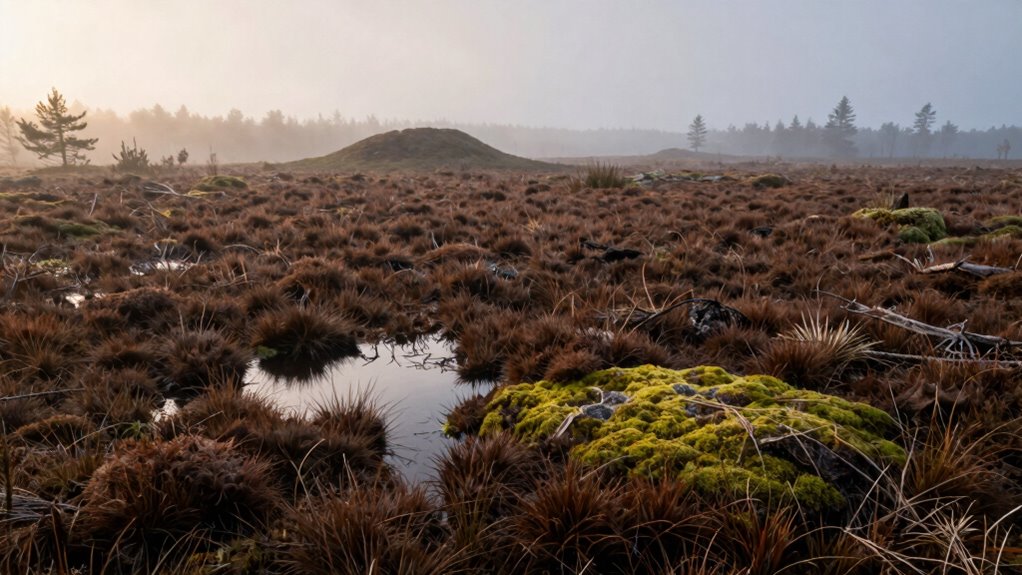
Peatlands play a essential role in regulating the Earth’s climate and supporting diverse wildlife. These unique ecosystems act as massive carbon sinks, storing more carbon than forests and other land habitats combined. When you think about climate change, you should consider how protecting and restoring peatlands can make a real difference. Peatland restoration efforts are fundamental because they help preserve these natural reservoirs of carbon, preventing the release of stored greenhouse gases into the atmosphere. If peatlands are damaged or drained, the carbon they hold is exposed to oxygen, leading to decomposition and the emission of carbon dioxide. Restoring these areas halts this process and enhances their ability to sequester carbon effectively. This process, known as carbon sequestration, is essential for mitigating climate change. By stabilizing peatlands and restoring their natural functions, you contribute to reducing the amount of carbon dioxide in the air, helping to slow global warming.
Beyond their climate importance, peatlands support a wide array of wildlife, from birds and insects to rare plant species. You’ll find many species that rely specifically on healthy peatlands for breeding, feeding, and shelter. Because peatlands are wetlands, they maintain high water levels that create unique habitats. When peatlands are degraded, these habitats diminish, threatening the survival of many species. Restoration projects not only help capture carbon but also restore the habitat’s integrity, giving wildlife a fighting chance to thrive. Healthy peatlands can filter water, reduce flooding, and stabilize local climates, all of which further benefit the ecosystems and communities around them.
You might not realize it, but your efforts to support peatland conservation can have lasting impacts. Promoting policies for peatland restoration guarantees these ecosystems continue to serve as indispensable carbon sinkssand wildlife refuges. It’s fundamental to recognize that these ecosystems are delicate; human activities like drainage, mining, and agriculture can rapidly degrade them. Protecting what remains and restoring what’s been lost isn’t just about conserving nature — it’s about fighting climate change and safeguarding biodiversity. Every step you take towards understanding and supporting peatlands helps build a more sustainable future. When you prioritize their health, you’re actively contributing to global efforts to sequester carbon and preserve the rich diversity of life that depends on these extraordinary landscapes.
As an affiliate, we earn on qualifying purchases.
Frequently Asked Questions
How Do Peatlands Form Over Thousands of Years?
Peatlands form over thousands of years through peatland formation, which begins when plant material, mainly mosses like sphagnum, accumulates in waterlogged conditions. This creates ancient ecosystems that suppress decay, allowing thick layers of organic matter to build up slowly. Over time, this process results in the formation of peat deposits, preserving plant remains and creating unique habitats essential for biodiversity and climate regulation.
Are Peatlands Suitable for Recreational Activities Like Hiking or Camping?
Peatlands can be suitable for recreational activities like hiking, offering unique landscapes and peaceful surroundings. However, camping opportunities are limited because peatlands are delicate ecosystems that can be easily damaged by foot traffic and campfires. If you plan peatland hiking, stick to designated trails to protect the environment. Always check local regulations first, and consider eco-friendly camping options that minimize your impact on these essential habitats.
What Are the Main Threats to Peatland Preservation Worldwide?
You should know that peatland pollution and drainage are the main threats to peatland preservation worldwide. Human activities like agriculture, forestry, and urban development cause significant conservation challenges, leading to habitat destruction and increased carbon emissions. Climate change also worsens these issues by altering water levels. To protect peatlands, you need to support sustainable practices, raise awareness, and advocate for stronger policies that prevent pollution and promote conservation efforts.
Can Peatlands Be Restored After Degradation?
Absolutely, peatlands can bounce back from degradation—like nature’s own comeback story. You just need clever restoration techniques, such as re-wetting and re-vegetation, to revive peatland biodiversity. Think of it as giving these ecosystems a much-needed spa day. With proper care, degraded peatlands can regain their health and essential functions, proving that even the most battered landscapes have a shot at a spectacular recovery.
How Do Peatlands Influence Local Water Quality and Availability?
You benefit from peatlands because they filter water naturally through water filtration, removing pollutants and improving quality. They also retain nutrients effectively, preventing runoff that can harm nearby ecosystems. This means you get cleaner, more reliable water sources for drinking and agriculture. By maintaining healthy peatlands, you support local water availability and quality, ensuring essential resources are preserved for your community and the environment.
Conclusion
You might be surprised to learn that peatlands store about 30% of the world’s soil carbon—more than all the world’s forests combined. Protecting these essential ecosystems helps combat climate change and preserves unique wildlife habitats. By conserving peatlands, you’re directly supporting efforts to reduce greenhouse gases and safeguard biodiversity. Every small action counts; your awareness and advocacy can make a real difference in maintaining these significant landscapes for future generations.
Fall Picks
fall essentials
As an affiliate, we earn on qualifying purchases.