Rewilding restores ecosystems by reintroducing native species and enhancing biodiversity. It’s about allowing nature to reclaim its past glory and reconnecting fragmented habitats. By supporting wildlife corridors, you help animals migrate freely and recover their populations. Managing invasive species creates space for locals to thrive, boosting overall ecosystem health. Small actions, like planting native plants, contribute to this movement. There’s so much more to explore about how you can make a difference in your environment.

Get pet supplies delivered free with Prime
- Fast, free delivery on millions of items
- Prime Video, Amazon Music and more included
- Member-only deals all year
Key Takeaways
- Rewilding restores ecosystems by supporting native species to thrive and reclaim their natural habitats.
- Wildlife corridors connect fragmented habitats, facilitating animal migration and enhancing genetic diversity.
- Managing invasive species is crucial to prevent them from outcompeting native flora and fauna.
- Small actions, like planting native plants, contribute to larger rewilding efforts and ecological awareness.
- Collective responsibility fosters environmental stewardship, benefiting biodiversity and ecosystem health.
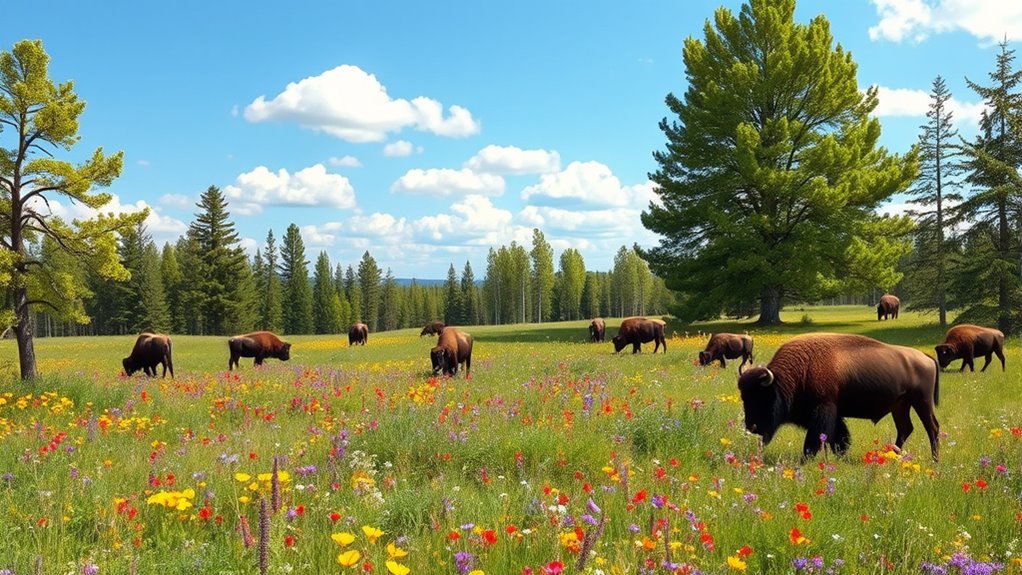
What if nature could reclaim its former glory? Imagine walking through a landscape teeming with life, where native species thrive, and ecosystems flourish. This vision of rewilding isn’t just a dream; it’s a movement designed to restore balance to our planet. As you explore the possibilities, think about the essential role wildlife corridors and invasive species management play in this process.
Wildlife corridors are indispensable pathways that connect fragmented habitats, allowing animals to migrate freely and access resources. You might not realize it, but these corridors can help restore populations of native species that have dwindled due to urbanization and habitat loss. By establishing these connections, you’re not just helping animals move; you’re ensuring genetic diversity and resilience in ecosystems. Imagine a deer crossing a corridor to find a partner, or birds traveling safely between feeding grounds. Each step you take to support wildlife corridors makes a difference.
Wildlife corridors are vital for connecting habitats, ensuring native species thrive and ecosystems remain resilient. Every effort counts!
Invasive species management is another key aspect of rewilding. When you think about it, invasive species can disrupt the delicate balance of local ecosystems. They outcompete native plants and animals, leading to a decline in biodiversity. You can aid in the fight against invasives by supporting local efforts to control these species. It could mean participating in community clean-ups or advocating for policies that promote native species. When you eliminate or manage invasive plants and animals, you create space for the native species to thrive again.
Consider how simple actions can have a profound impact. By planting native flora in your garden or promoting native species in your community, you’re contributing to the restoration of habitats. These small steps help to create a ripple effect, encouraging others to follow suit. The more people who engage in rewilding efforts, the more you can see landscapes transformed into vibrant ecosystems. Moreover, the principles of the Law of Attraction suggest that the positive intentions we set towards restoring nature can manifest in tangible improvements to our environment.
This journey of rewilding is about reconnecting with nature and fostering a sense of responsibility toward the environment. Every wildlife corridor you support and every invasive species you help manage brings us one step closer to restoring ecosystems. It’s a collective effort that requires your participation, but the rewards are immense. So, are you ready to play your part in helping nature reclaim its former glory? It starts with you—embracing the beauty of native species and the potential of restored ecosystems.
native plant seeds for rewilding
As an affiliate, we earn on qualifying purchases.
As an affiliate, we earn on qualifying purchases.
Frequently Asked Questions
How Does Rewilding Differ From Traditional Conservation Methods?
Rewilding differs from traditional conservation methods by focusing on restoring ecosystem balance through species reintroduction. While traditional approaches often emphasize protecting existing habitats, rewilding actively involves bringing back native species that play vital roles in their ecosystems. This method enhances biodiversity and allows natural processes to flourish, creating resilient environments. You’ll notice that rewilding encourages a more dynamic relationship between species and their habitats, promoting a healthier, self-sustaining ecosystem overall.
What Are the Potential Risks of Rewilding Projects?
You might face several risks when engaging in rewilding projects. Introducing native species could unintentionally lead to the rise of invasive species, which can outcompete local flora and fauna. This shift may cause ecological imbalances, disrupting existing ecosystems. Additionally, if not properly managed, rewilding can result in habitat loss for certain species already present, further complicating biodiversity efforts. It’s vital to carefully assess potential impacts before beginning such initiatives.
How Long Does It Take to See Results From Rewilding?
You can typically expect to see results from rewilding projects within a few years, but it may take decades for full ecological restoration. The timeframe depends on various factors, like the ecosystem’s condition and the species involved. Watch for ecological indicators, such as biodiversity increases and improved soil health, to gauge progress. Patience is key, as nature often takes its time to recover and flourish.
Can Rewilding Occur in Urban Areas?
Yes, rewilding can absolutely occur in urban areas! You can enhance urban biodiversity by transforming neglected spaces into thriving city habitats. Start by planting native species, creating green roofs, and establishing community gardens. These efforts not only attract wildlife but also improve air quality and overall well-being. Even small changes in your neighborhood can make a big impact, so get involved and watch your city flourish with nature!
What Role Do Local Communities Play in Rewilding Efforts?
Local communities play a crucial role in rewilding efforts by fostering community engagement and promoting cultural preservation. You can help identify native species and restore habitats, ensuring that local knowledge and traditions are respected. By participating in workshops and events, you’ll encourage others to join the movement, creating a shared sense of purpose. Your involvement not only revitalizes the ecosystem but also strengthens community bonds and enhances appreciation for the natural heritage.
Conclusion
Rewilding isn’t just about planting trees or reintroducing animals; it’s about restoring balance to our ecosystems. Imagine walking through a vibrant forest, alive with the sounds of native species thriving in harmony. By embracing rewilding, you’re not only helping to heal the planet but also ensuring future generations can experience this beauty. So, aren’t you ready to play a part in reviving our natural world and witnessing its wonders unfold?
Halloween Picks
halloween
As an affiliate, we earn on qualifying purchases.