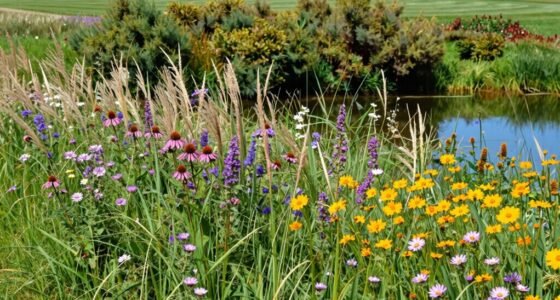
You can turn urban parks into thriving wildlife refuges by planting native species that provide food and shelter for local animals. Create safe corridors that connect different green spaces, allowing wildlife to move freely and safely. Manage predators responsibly to maintain natural balance, and guarantee your park’s landscape supports diverse habitats year-round. By applying these strategies, you’ll help conserve biodiversity and build a resilient ecosystem—if you want to discover more, keep exploring how to make a real difference.

Get pet supplies delivered free with Prime
- Fast, free delivery on millions of items
- Prime Video, Amazon Music and more included
- Member-only deals all year
Key Takeaways
- Incorporate native plantings to provide habitat, food sources, and support for local wildlife.
- Design safe wildlife corridors to connect green spaces and facilitate natural movement.
- Implement predator management to maintain balanced ecosystems and prevent overpopulation.
- Use habitat-friendly pathways and minimal disturbance practices to protect wildlife habitats.
- Promote sustainable maintenance and continuous ecological monitoring for long-term resilience.
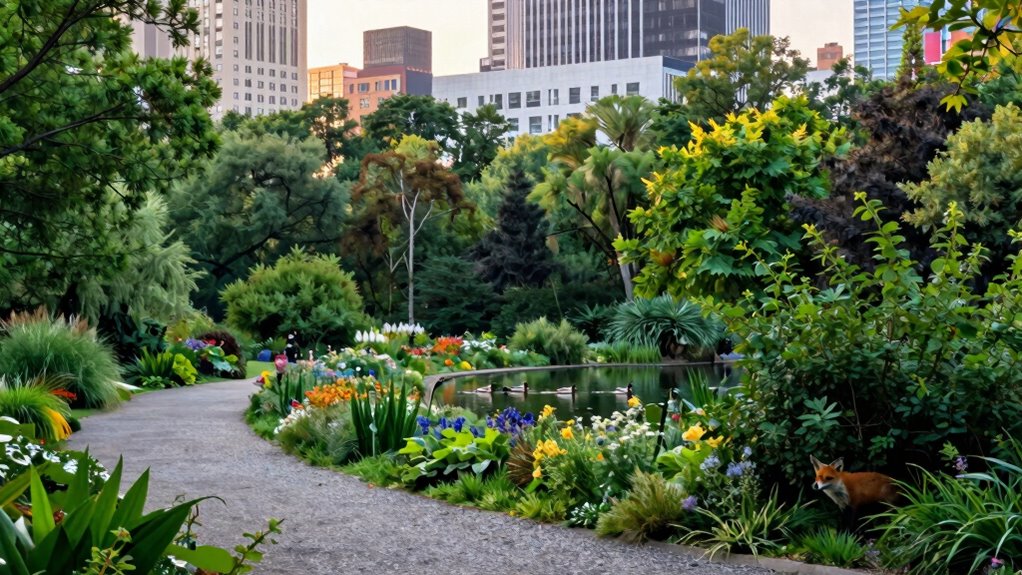
Urban parks serve as essential sanctuaries where wildlife can thrive amidst human development. These green spaces act as vital refuges, offering shelter, food, and breeding grounds for a variety of species that might otherwise struggle to survive in city environments. To maximize their potential as wildlife havens, you should consider planting native species. Native plantings are indispensable because they provide familiar food sources and habitat structures that local wildlife depend on. By choosing indigenous plants, you create an ecosystem that supports insects, birds, and small mammals, fostering a balanced and resilient community within the park.
Plant native species to create sustainable, wildlife-friendly urban parks supporting local insects, birds, and mammals.
Implementing native plantings isn’t just about selecting the right flora; it’s about understanding the specific needs of local wildlife. These plants attract pollinators like bees and butterflies, which are essential for maintaining healthy ecosystems. They also support herbivores, which in turn attract predators, helping to keep populations in check naturally. As you develop your park’s landscape, avoid invasive species that can outcompete native plants and disrupt the ecological balance. Maintaining a diverse plant palette ensures that different species find suitable shelter and nourishment throughout various seasons.
Another key aspect of turning urban parks into effective wildlife refuges is predator management. While predators play a fundamental role in controlling prey populations and maintaining ecosystem health, an imbalance can threaten vulnerable species. You should monitor predator activity carefully, especially if certain animals become overpopulated or aggressive toward other wildlife. Implementing humane strategies, such as habitat modification or exclusion techniques, can help regulate predator numbers without resorting to harmful measures. This approach guarantees a sustainable, harmonious environment where prey species can thrive without constant threat. Incorporating wildlife-friendly design principles can further enhance habitat quality and promote ecological balance. Additionally, understanding the importance of native species in maintaining ecosystem stability can guide better conservation practices. Recognizing the role of native plantings in supporting biodiversity is crucial for long-term success.
Creating safe corridors within the park is also essential. Corridors allow animals to move freely between different green spaces, reducing the risk of collisions with human activity and providing access to diverse resources. As you plan and maintain these pathways, prioritize minimizing disturbances and maintaining native vegetation along them. This way, small mammals, birds, and insects can travel safely, expanding their habitat range and enhancing biodiversity. Additionally, incorporating wildlife corridors can improve connectivity between different urban green areas and support long-term conservation goals. Ensuring these pathways are well-designed and maintained can significantly increase the resilience of urban ecosystems. Recognizing the importance of ecosystem connectivity can help create more effective and sustainable wildlife refuges.
Ultimately, transforming urban parks into thriving wildlife refuges demands a thoughtful balance. By planting native species, managing predators responsibly, and designing the landscape to facilitate safe animal movement, you foster a resilient ecosystem. Your efforts will help preserve local biodiversity, provide a refuge for vulnerable species, and create a more harmonious coexistence between humans and wildlife in the city.
Frequently Asked Questions
How Do Urban Parks Impact Local Biodiversity?
You impact local biodiversity by supporting urban parks that serve as essential habitats, helping reduce habitat fragmentation. When you participate in conservation efforts, you aid in pollution mitigation, which benefits native species and maintains ecological balance. Your actions promote healthier ecosystems within city environments, providing refuge for wildlife. By valuing and protecting parks, you help sustain diverse plant and animal populations, ensuring urban areas remain vibrant and ecologically resilient.
Are There Specific Species That Thrive in Urban Parks?
Certain species thrive in urban parks, especially those adapted to human environments. You’ll notice native plants attracting pollinators like bees and butterflies, while bird habitats flourish with species such as sparrows, robins, and woodpeckers. By planting native vegetation and creating quiet, shaded areas, you support these wildlife populations, making your urban park a essential refuge. Your efforts help sustain biodiversity and provide peaceful spots for both humans and wildlife to coexist.
How Can Community Involvement Enhance Urban Wildlife Conservation?
Your community involvement can transform urban parks into thriving wildlife sanctuaries. By actively participating in conservation efforts, you help create a haven where nature flourishes amidst city chaos. Engaging in education programs raises awareness, inspiring others to protect local species. When everyone pitches in—planting native trees, removing invasive species—you amplify conservation impact. Together, your collective effort becomes a powerful force, turning urban parks into vibrant ecosystems teeming with life.
What Are the Biggest Challenges in Transforming Parks Into Refuges?
You face big challenges transforming parks into refuges, especially habitat fragmentation that limits wildlife movement and resources. Invasive species also threaten native plants and animals, making it harder to establish a balanced ecosystem. Managing these issues requires strategic planning, ongoing maintenance, and community support. Overcoming these obstacles is essential for creating resilient urban wildlife habitats that support biodiversity and provide safe spaces for native species to thrive.
How Do Urban Parks Compare to Natural Reserves in Conservation Efforts?
Imagine walking through a lush urban park, where native plants sway and birds sing amid city sounds. Compared to natural reserves, urban parks play a essential role in conservation by integrating urban planning and native planting, offering refuge for wildlife and connecting people with nature. While they might not be as expansive, they fill critical gaps, fostering biodiversity and environmental awareness right within your city, making conservation accessible and meaningful.
Conclusion
By transforming urban parks into thriving wildlife refuges, you open a gateway where city streets breathe with life, and nature’s song never fades. With each tree planted and pond restored, you nurture a sanctuary that hums with the heartbeat of the wild. Together, you create a mosaic of coexistence—where concrete meets canopy, and urban life dances in harmony with nature’s gentle rhythm, turning your city into a vibrant refuge bursting with endless possibility.
Fall Picks
fall essentials
As an affiliate, we earn on qualifying purchases.