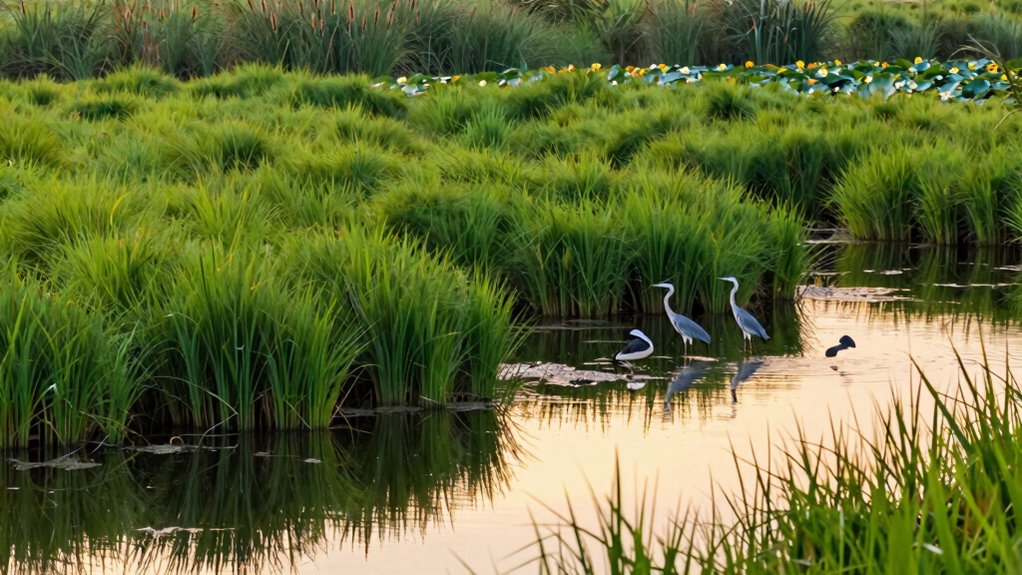

Wetlands are among the most valuable habitats because they naturally filter pollutants, protect communities from floods, and support a rich diversity of plants and animals. They act as carbon sinks, fighting climate change, and help regulate local temperatures. Wetlands also provide critical breeding and resting sites for migratory birds and rare species, contributing to global biodiversity. Their many benefits make them essential for a healthy planet—discover why they’re so crucial as you explore further.

Get pet supplies delivered free — and shop member deals
- Fast, free delivery on millions of items
- Access to Prime Big Deal Days deals on October 6–7
- Prime Video, Amazon Music and more included
Key Takeaways
- Wetlands naturally filter pollutants, improving water quality and supporting healthy ecosystems.
- They act as flood protectors by absorbing excess water during heavy rains.
- Wetlands serve as critical habitats for diverse and endangered species, maintaining biodiversity.
- They function as carbon sinks, helping to mitigate climate change.
- Wetlands provide essential ecosystem services that benefit human health, safety, and environmental stability.
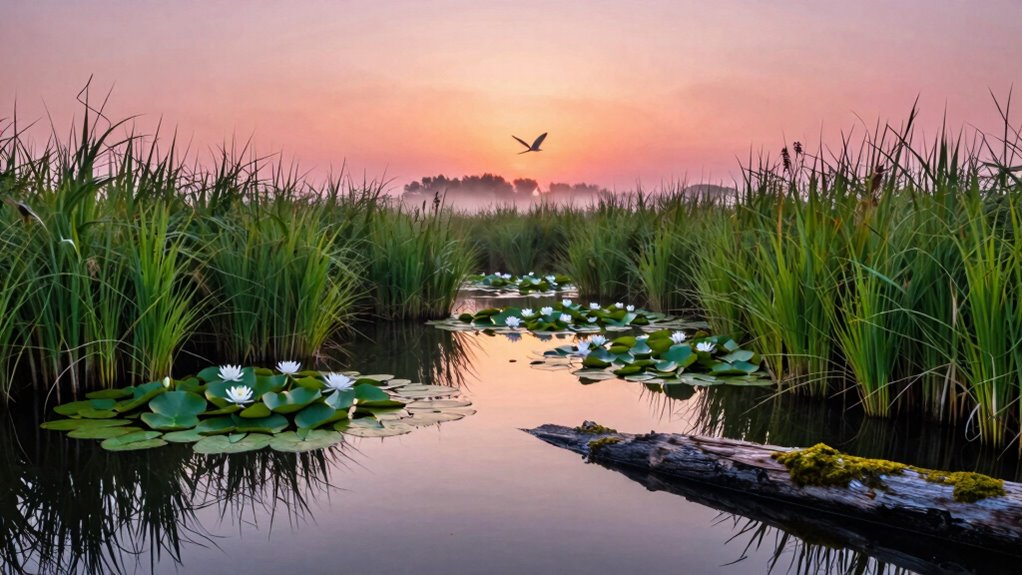
Wetlands are some of the most essential habitats on Earth, serving as natural filters, flood protectors, and biodiversity hotspots. Their unique ecosystems play a vital role in maintaining environmental balance, and you can’t overlook their importance in supporting life. When you think about wetland restoration, you’re actively helping to preserve these crucial areas, guaranteeing they continue providing critical services. Restoring wetlands not only sustains the plants and animals that depend on them but also enhances their ability to filter pollutants, control floods, and store carbon. These efforts are essential because wetlands are increasingly threatened by development, pollution, and climate change, which diminish their capacity to perform these functions. Protecting wetlands also means safeguarding their role as key biodiversity hotspots, supporting a vast array of species that rely exclusively on these habitats.
Wetlands are vital ecosystems that filter, protect, and sustain biodiversity, supporting a healthy planet for future generations.
Biodiversity hotspots are regions where the variety of life is extraordinary and, at the same time, fragile. Wetlands are prime examples of these hotspots, hosting an incredible range of species—birds, fish, amphibians, insects, and plants—that can’t thrive elsewhere. You might observe migratory birds resting in wetlands during long journeys or see rare amphibians breeding in these moist environments. Protecting wetlands means safeguarding these diverse species and maintaining the ecological web that supports overall biodiversity. When you get involved in wetland conservation, you contribute to the health of these hotspots, guaranteeing that many species don’t just survive but flourish. Preserving wetlands also supports critical ecosystem services, which are vital for human well-being and environmental sustainability. Recognizing the importance of wetland ecosystems helps us understand the interconnectedness of these habitats with global environmental health. Understanding the ecosystem functions of wetlands highlights their role in sustaining life and maintaining ecological resilience.
The importance of wetlands extends beyond their biological richness; they also act as buffers against natural disasters. During heavy rains or storms, wetlands absorb excess water, reducing the impact of flooding on nearby communities. This natural flood control system is invaluable, especially as climate patterns become more unpredictable. Additionally, wetlands contribute significantly to climate regulation by influencing local temperatures and humidity levels. By participating in wetland restoration projects, you help reinforce these protective barriers, which are increasingly essential in a warming world. Furthermore, wetlands are natural carbon sinks, trapping greenhouse gases and helping to combat climate change. Their preservation and restoration directly support efforts to reduce atmospheric carbon levels, making them indispensable in global environmental strategies. Protecting wetlands also supports climate adaptation strategies by enhancing resilience to extreme weather events, which are projected to increase with climate change.
In short, wetlands are among the most valuable habitats on Earth because of their multifaceted benefits. You can play a role in their preservation by supporting conservation initiatives and advocating for policies that protect these ecosystems. Restoring wetlands not only preserves biodiversity hotspots but also guarantees that these natural filters and flood protectors continue to serve their critical functions. Their survival is intertwined with the health of our planet, and your actions can make a meaningful difference in maintaining these fundamental landscapes for generations to come.
As an affiliate, we earn on qualifying purchases.
Frequently Asked Questions
How Do Wetlands Influence Local Climate Patterns?
Wetlands influence local climate patterns by providing climate regulation and enhancing moisture retention. When you visit wetlands, you notice they moderate temperature fluctuations, keeping areas cooler in summer and warmer in winter. They also trap moisture from rainfall, which boosts local humidity and supports diverse ecosystems. These natural processes help stabilize the climate, making wetlands essential for maintaining balanced weather patterns and supporting both wildlife and human communities.
What Are the Most Endangered Wetland Areas Globally?
You should know that the most endangered wetlands include the Florida Everglades, the Okavango Delta, and the Pantanal. These areas face threats from wetland pollution and invasive species that disrupt native ecosystems. Time is of the essence; if we don’t act quickly, we risk losing these crucial habitats forever. Protecting them requires global efforts to reduce pollution and control invasive species, helping preserve their unique biodiversity.
Can Wetlands Be Restored After Significant Damage?
Yes, wetlands can be restored after significant damage. You should start with a thorough damage assessment to understand the extent of harm. Then, implement wetland restoration techniques like re-establishing native vegetation, restoring natural water flow, and removing invasive species. Active restoration efforts can revive these essential habitats, improving biodiversity, water quality, and flood control. Your commitment to restoration can help bring wetlands back to health and guarantee their ecological benefits endure.
How Do Wetlands Support Human Livelihoods Directly?
Wetlands are nature’s bustling marketplaces, supporting your livelihood through wetland farming and crafts. You benefit from fertile grounds where crops thrive and from resources like reeds and plants for crafting goods. These habitats filter water and control floods, ensuring your community stays resilient. By sustaining fish populations, wetlands also provide food and income. You rely on these vibrant ecosystems, which nurture your economy and daily life, like a perennial gift from the earth.
What Unique Species Are Exclusive to Wetlands?
You’ll find unique wetland species like the elusive marsh mongoose and the colorful jacana, which thrive solely in these habitats. Wetland flora such as cattails, water lilies, and sedges have specialized adaptations that help them survive in saturated soils. Additionally, wetland bird species like herons, ibises, and bitterns depend on this environment for nesting and feeding, making wetlands essential for their survival and showcasing their incredible biodiversity.
Conclusion
As you now see, wetlands are more than just muddy lands—they’re essential lifelines teeming with unseen wonders. But what if these fragile habitats vanish? The true cost extends beyond nature’s beauty, threatening your future and the world’s delicate balance. Will you act before it’s too late? The clock is ticking, and the choice is yours—preserve these invaluable habitats or watch them disappear into silence, forever lost in the shadows of neglect.
Fall Picks
fall essentials
As an affiliate, we earn on qualifying purchases.