
Wildlife rehabilitation is challenging because habitat loss and fragmentation make it hard for animals to recover and find natural food or mates. You also face the threat of fast-spreading diseases that can wipe out entire populations if not managed carefully. Balancing immediate care with long-term conservation efforts adds complexity, especially with limited resources. The interconnected issues require constant vigilance and adaptation, but understanding these hurdles can give you a clearer picture of what’s involved. Keep going to uncover more about these difficulties.

Get pet supplies delivered free — and shop member deals
- Fast, free delivery on millions of items
- Access to Prime Big Deal Days deals on October 6–7
- Prime Video, Amazon Music and more included
Key Takeaways
- Habitat loss and fragmentation limit animals’ natural recovery options and post-release survival.
- Disease management is complex due to rapid spread, difficult diagnoses, and evolving health threats.
- Balancing immediate medical care with long-term habitat restoration requires strategic planning.
- Limited resources and high stakes increase logistical challenges and emotional stress for rehabilitators.
- Preventing disease outbreaks demands meticulous protocols and constant updates on emerging threats.
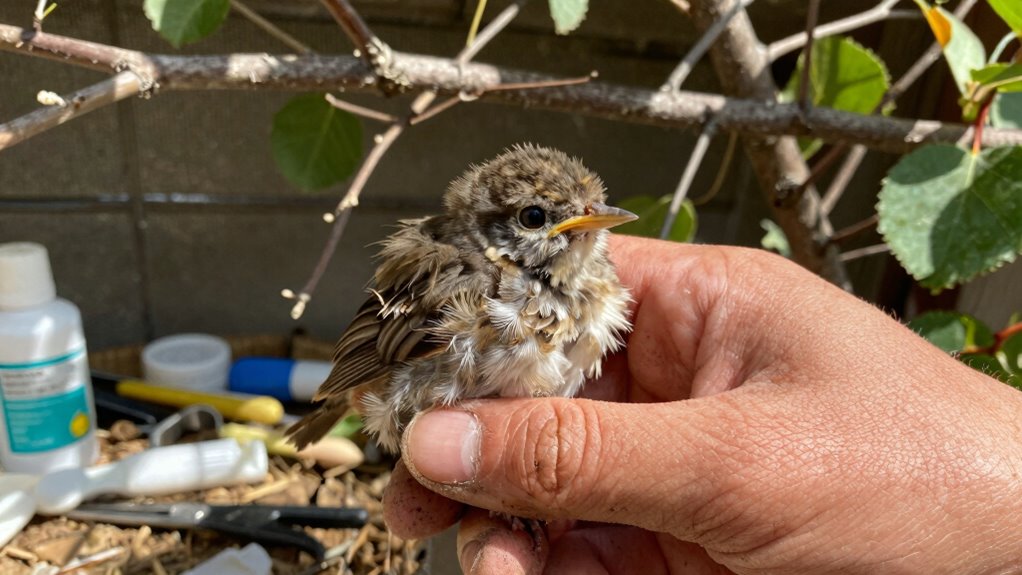
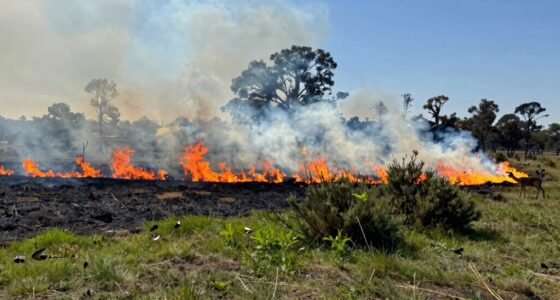
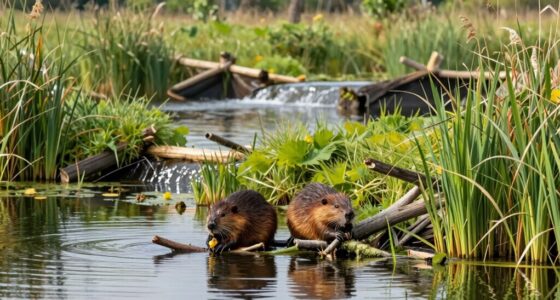
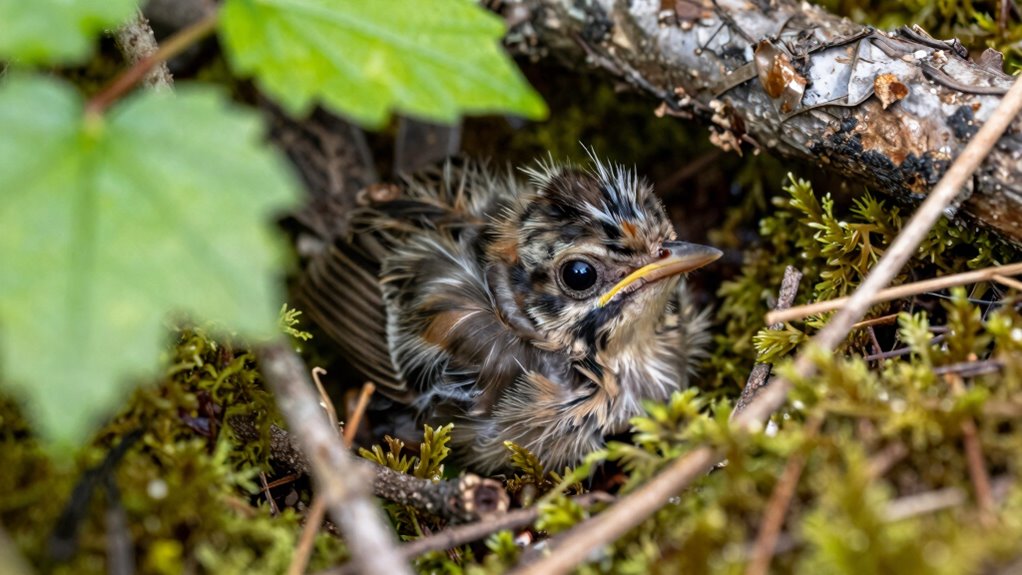
Wildlife rehabilitation faces numerous challenges that can hinder efforts to save and restore injured animals. One of the most pressing issues you’ll encounter is habitat loss. As urban development and deforestation continue, the natural environments animals rely on shrink and become fragmented. This not only reduces the available space for animals to live and forage but also forces them into closer proximity with human activity, increasing the chances of injury, disease transmission, and conflict. When animals are displaced from their habitats, you often find yourself working with a limited window to rehabilitate and release them back into suitable environments. Without proper habitat, their survival chances diminish even after they recover physically, making your work more complicated and time-sensitive. habitat loss is a primary factor that exacerbates the difficulties faced in wildlife recovery efforts. Disease management also presents a significant hurdle in wildlife rehabilitation. Animals in distress are often vulnerable to a range of illnesses, some of which can spread rapidly within a rehabilitation facility. You need to be vigilant to prevent outbreaks that could wipe out entire populations of recovering animals. Implementing strict quarantine protocols, disinfecting equipment, and monitoring for symptoms demand meticulous attention and resources. Additionally, managing diseases isn’t always straightforward because many illnesses in wild animals are poorly understood or difficult to diagnose. You must stay updated on emerging threats, like infections caused by bacteria, viruses, or parasites, and adapt your protocols accordingly. Failing to control disease spread can result in the loss of animals you’ve worked hard to save, adding emotional and logistical stress to your efforts. Recognizing the importance of wildlife health is essential for effective rehabilitation and long-term conservation success. Moreover, habitat fragmentation can hinder animals’ ability to find food and mates, further complicating recovery efforts. Both habitat loss and disease management intertwine, making your task even more complex. When animals are displaced from their natural homes, they often experience weakened immune systems, making them more susceptible to illnesses. Conversely, disease outbreaks can further decimate already vulnerable populations, especially when habitat degradation limits their ability to recover naturally. Your role becomes a balancing act — providing immediate medical care while also considering long-term solutions like habitat restoration and conservation advocacy. You’re not just treating injuries and illnesses; you’re also part of a larger effort to ensure these animals have a fighting chance at survival in a world that’s increasingly hostile to their existence. The challenges are significant, but your dedication to overcoming them is vital for the future of wildlife.
wildlife rehabilitation first aid kit
As an affiliate, we earn on qualifying purchases.
As an affiliate, we earn on qualifying purchases.
Frequently Asked Questions
How Do Wildlife Rehabilitators Handle Injured Animals During Extreme Weather?
During extreme weather, you prioritize emergency preparedness by quickly relocating injured animals to safe, climate-controlled environments. You monitor weather forecasts closely and have contingency plans in place. You also work on habitat restoration to minimize future risks and improve resilience. By staying proactive, you guarantee animals receive necessary care despite harsh conditions, reducing stress and promoting recovery. Your swift, organized response is essential for their survival during such challenging times.
What Training Is Required to Become a Wildlife Rehabilitator?
You need specialized training to become a wildlife rehabilitator, blending hands-on experience with classroom learning. While technical skills are crucial, you also learn about habitat restoration and develop education outreach strategies to protect wildlife populations. This combination guarantees you’re prepared to care for injured animals and engage communities, making your efforts more impactful. The challenge lies in balancing practical skills with ecological knowledge, fostering compassion and expertise simultaneously.
How Do Rehabilitators Ensure Animals Don’t Become Dependent on Humans?
You minimize wildlife dependency by limiting human interaction and keeping your handling brief and gentle. You focus on creating a natural environment where animals can regain their independence, avoiding over-familiarity that might make them reliant on humans. By observing their behaviors and gradually reducing contact, you help them develop necessary survival skills. This approach guarantees they’re less dependent on humans and better prepared for eventual release into the wild.
What Legal Restrictions Impact Wildlife Rehabilitation Practices?
Did you know that over 50 countries have strict wildlife laws? Legal restrictions greatly impact your rehab practices, requiring you to follow specific rules to protect animals and ecosystems. You must guarantee legal compliance by obtaining the necessary permits before caring for any wildlife. These permit requirements are designed to prevent illegal activities, like poaching or trade, and ensure that you provide proper care while respecting conservation laws.
How Do Rehabilitators Manage Disease Control Among Multiple Animals?
You manage disease control by implementing strict quarantine protocols for new or sick animals, preventing disease transmission. You separate healthy animals from those showing symptoms, regularly disinfect enclosures, and monitor for signs of illness. By maintaining strict hygiene and quarantine measures, you reduce the risk of outbreaks, ensuring the health of all animals in your care. These practices are essential for effective wildlife rehabilitation and preventing disease spread.
Conclusion
Think of wildlife rehabilitation as tending to a fragile garden. Each creature is a delicate plant, needing just the right care, patience, and understanding to thrive again. Sometimes, storms threaten, or pests invade, testing your resolve. But with perseverance and compassion, you nurture life back from the brink. Ultimately, your efforts help these wild souls regain their strength, and in doing so, you become a guardian of nature’s precious balance.
Halloween Picks
halloween
As an affiliate, we earn on qualifying purchases.