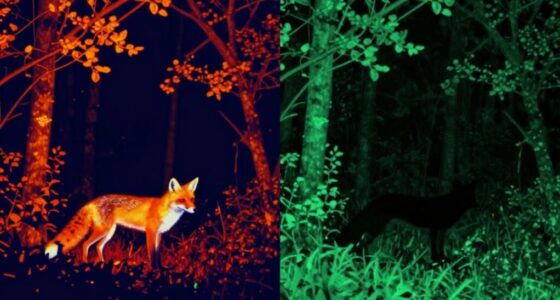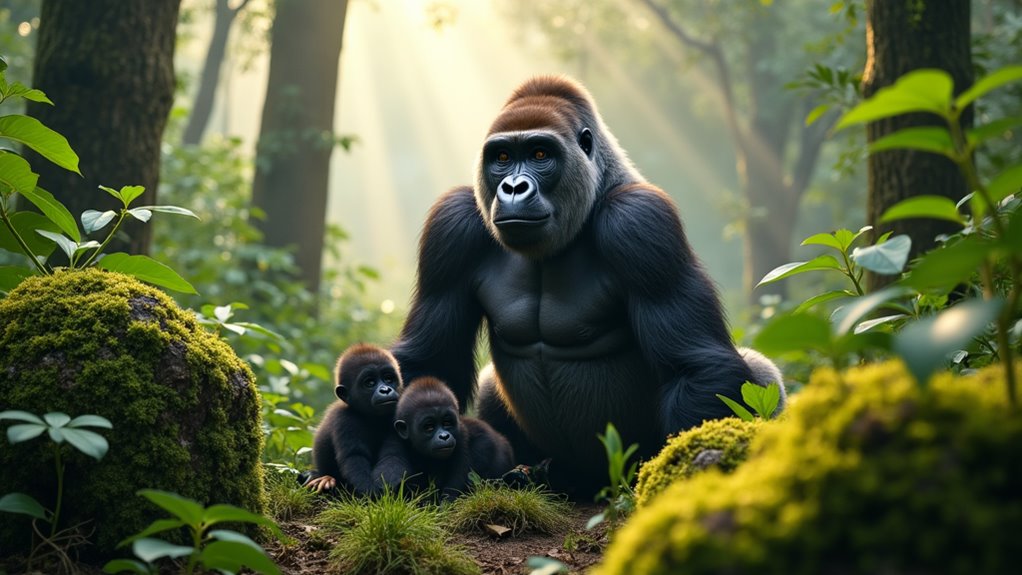

Many animals, like peregrine falcons and urban foxes, have made impressive comebacks thanks to city-led conservation efforts and habitat improvements. Urban green spaces, wildlife corridors, and community actions help restore populations and support biodiversity. These success stories show that with dedicated effort, cities can become safe havens for wildlife, even amid climate challenges. If you want to discover more inspiring examples of animal recoveries and how communities make a difference, keep exploring.
Listen free for 30 days with Audible
Thousands of audiobooks and originals — cancel anytime.
As an affiliate, we earn on qualifying purchases.
Key Takeaways
- Peregrine falcons have rebounded in urban areas thanks to nest box programs and habitat restoration.
- Urban waterways have facilitated the return of native amphibian populations.
- Pollinator-friendly initiatives have led to the resurgence of bee and butterfly species.
- Bird populations, such as swallows and sparrows, have increased through habitat enhancement efforts.
- Conservation projects and community involvement have played key roles in the recovery of various urban wildlife species.

Across the globe, countless wildlife conservation efforts have led to remarkable successes that inspire hope. One area where these efforts have shown impressive results is urban conservation, where cities transform from concrete jungles into thriving habitats for various species. You might not realize it, but your city could be part of this positive change. Urban conservation involves creating green spaces, restoring natural waterways, and implementing policies that protect local flora and fauna. These initiatives not only benefit the environment but also improve your quality of life by reducing pollution and providing peaceful retreats amid busy urban life. As cities adapt to climate change, they become more resilient, offering safe havens for wildlife facing rising temperatures, sea levels, and extreme weather. By integrating nature into urban planning, communities foster ecosystems that support biodiversity and help animals adapt to climate shifts. For example, some cities have established wildlife corridors—green pathways that connect fragmented habitats—allowing animals to move safely across urban landscapes. These corridors help species like foxes, birds, and even amphibians find food, breed, and migrate without braving busy roads or hostile environments. Additionally, incorporating native plant species into urban landscapes can significantly enhance local biodiversity and provide essential resources for wildlife. Creating wildlife-friendly infrastructure such as bird nests and pollinator gardens further supports the recovery of urban animal populations. Moreover, employing AI-powered data analytics can assist conservationists in monitoring urban wildlife populations and identifying emerging threats more efficiently. Implementing these innovative urban conservation strategies fosters a balanced coexistence between cities and wildlife, promoting healthier ecosystems. You can also promote public awareness about the importance of biodiversity and urban habitat preservation to motivate community involvement. Your involvement can make a difference in supporting urban conservation and climate adaptation. Participating in local tree-planting projects, advocating for green rooftops, or simply respecting designated wildlife zones can contribute to these efforts. Many cities now recognize the importance of adapting to climate change by creating resilient habitats, and your voice can push for policies that prioritize these initiatives. The success stories of animals making a comeback in urban areas prove that collaboration between communities, governments, and conservationists can turn cities into safe spaces for wildlife. For example, the resurgence of birds like the peregrine falcon in urban settings demonstrates how dedicated conservation efforts and habitat restoration encourage species recovery. These stories serve as proof that urban environments, when thoughtfully managed, can support diverse ecosystems, helping animals thrive despite the challenges of climate change. Involving local residents in conservation projects further strengthens these efforts, ensuring sustainable outcomes. In the end, you play a crucial role in this ongoing story of hope. By supporting urban conservation projects and climate adaptation strategies, you help create healthier cities for both humans and wildlife. Every small action, from planting native plants to reducing pollution, contributes to these success stories. The animals that are making a comeback in your city symbolize the resilience of nature and the power of collective effort. Their recovery reminds us that, with dedication and smart planning, we can turn urban spaces into sanctuaries where wildlife flourishes once again, inspiring future generations to continue safeguarding our planet’s precious biodiversity.
bird nesting boxes for urban birds
As an affiliate, we earn on qualifying purchases.
As an affiliate, we earn on qualifying purchases.
Frequently Asked Questions
Which Species Experienced the Most Significant Recovery Worldwide?
You might be surprised to learn that the bald eagle experienced one of the most significant recoveries worldwide. Thanks to habitat restoration and efforts to protect nests, their populations rebounded. Conservation programs focused on maintaining genetic diversity helped ensure long-term survival. You can see how targeted actions, like habitat preservation and legal protections, truly make a difference, turning around the fortunes of species once on the brink of extinction.
How Do Conservationists Track Animal Population Improvements?
You might think tracking animal populations is a walk in the park, but it’s quite detailed. Conservationists use methods like habitat restoration to provide better living spaces and monitor genetic diversity to guarantee healthy populations. They employ tools like camera traps, GPS collars, and aerial surveys to gather data. This way, they keep a close eye on improvements, ensuring species bounce back and thrive again.
What Role Do Local Communities Play in Wildlife Recovery?
You can see that local communities play a crucial role in wildlife recovery through community involvement and local initiatives. Your participation helps protect habitats, reduce poaching, and promote sustainable practices. When you support conservation projects or educate others, you contribute to positive change. These efforts foster a sense of ownership and responsibility, making conservation successful. Your active engagement ensures that wildlife can thrive, benefiting ecosystems and future generations alike.
Are There Ongoing Threats to These Successful Species?
You should know that ongoing threats like habitat destruction and poaching still challenge these successful species. Efforts in habitat preservation are vital, ensuring they have safe spaces to thrive. Poaching prevention measures also help protect them from illegal hunting. By staying vigilant and supporting conservation initiatives, you can contribute to maintaining their populations, giving these animals a real chance at long-term survival and continued recovery.
How Can Individuals Contribute to Wildlife Conservation Efforts?
Think of yourself as a guardian of nature’s garden. You can join volunteer programs that focus on habitat restoration, helping create safe spaces for wildlife. Supporting conservation efforts, spreading awareness, and reducing your ecological footprint all add to the collective effort. Your actions, no matter how small, can turn the tide for endangered species, making a real difference in ensuring wildlife continues to thrive for generations to come.
Conclusion
These wildlife success stories prove that hope can bloom even in the most unlikely places. With your support and awareness, you become the gentle rain nourishing these fragile ecosystems, helping animals bounce back from the brink. Remember, every small action is a seed that can grow into a thriving habitat. Together, we hold the power to turn the tide and write more stories of recovery—proof that nature’s resilience is truly unstoppable.
NFL season / tailgating Picks
team gear
As an affiliate, we earn on qualifying purchases.