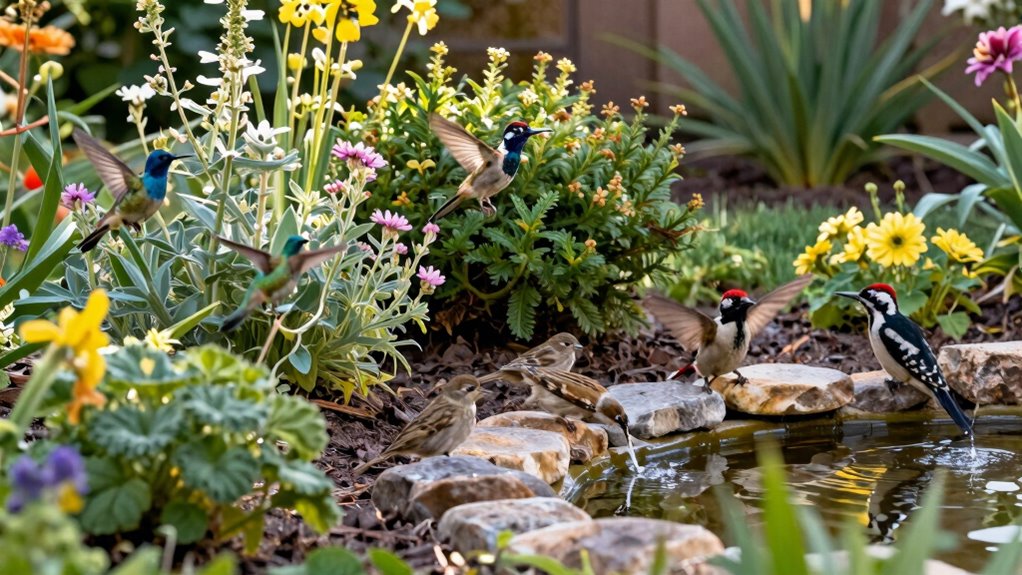

Backyard habitat projects help your local birds by providing essential food sources like seeds, berries, and nectar, along with safe nesting sites in native shrubs and trees. You create a protected environment that offers shelter with layered vegetation and natural barriers, reducing predator risks. By planting native species, you attract insects and support a balanced ecosystem. These projects foster healthy bird populations and a thriving habitat—keep going to discover more ways you can make a difference.

Get pet supplies delivered free with Prime
- Fast, free delivery on millions of items
- Prime Video, Amazon Music and more included
- Member-only deals all year
Key Takeaways
- Provide native plants that supply food, shelter, and nesting sites preferred by local bird species.
- Create diverse, layered habitats that support year-round bird activity and ecosystem balance.
- Attract insects with native plants, offering natural food sources for birds and supporting biodiversity.
- Implement predator protection strategies like strategic nesting sites and dense shrub cover to keep birds safe.
- Enhance safety and comfort with secure feeding and nesting areas, encouraging birds to thrive in the yard.
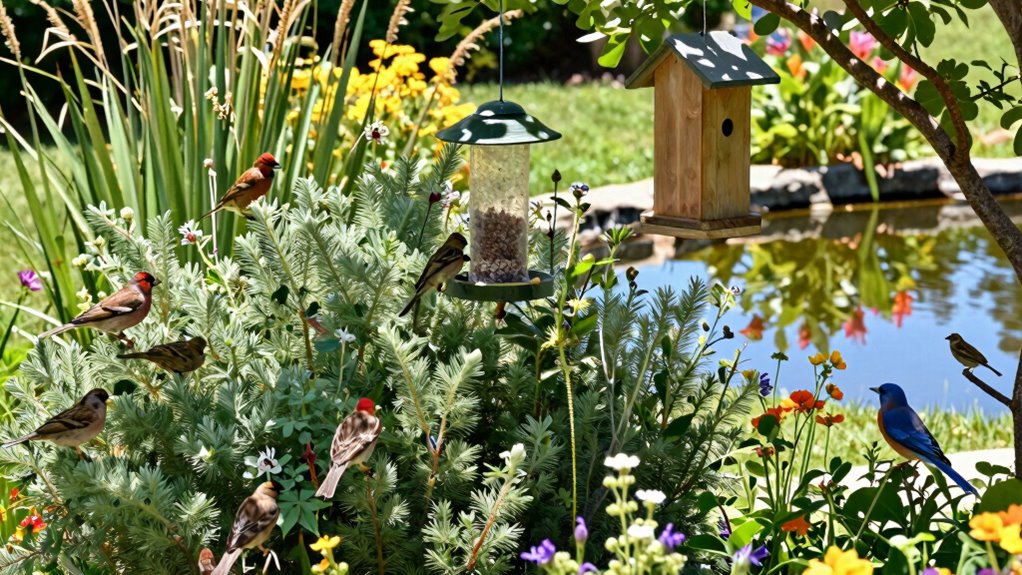
Have you ever wondered how to make your backyard a haven for birds? Creating a bird-friendly habitat isn’t just about hanging a feeder; it’s about designing an environment that attracts and supports a diverse range of bird species. One effective way to do this is by planting bird friendly plantings. Native plants, especially shrubs, trees, and flowering plants, provide essential food sources like seeds, berries, and nectar. They also offer shelter and nesting sites that natural birds prefer. When you choose plants that are suitable for your local climate, you not only create a sustainable environment but also encourage a healthy, balanced ecosystem. These plantings can attract insects that serve as food for young birds and help sustain the birds year-round. Incorporating Native plants into your landscape supports local biodiversity and reduces the need for additional resources like water and fertilizers.
However, attracting birds is only part of the goal. You also need to think about predator protection. Cats, squirrels, and larger predatory birds can threaten your feathered visitors. By incorporating predator protection strategies, you make your yard safer for birds to feed, nest, and rest. Installing bird houses in safe, sheltered locations and using natural barriers like dense shrubs can hide nests from predators. Avoid placing feeders and nests in open areas where predators can easily spot and access them. Additionally, using bird feeders that are designed to deter larger animals helps prevent unwanted visits by squirrels and cats. Ensuring that your yard has multiple layers of cover—ground cover, shrubs, and tall trees—creates safe escape routes and hiding spots for birds when they sense danger.
As an affiliate, we earn on qualifying purchases.
Frequently Asked Questions
How Do I Attract Specific Bird Species to My Backyard?
To attract specific bird species, use targeted feeding techniques like offering their favorite seeds or suet. Place birdhouses strategically—at the right height and sheltered from predators—to appeal to cavity-nesting birds. Keep feeders clean and filled regularly, and add native plants for natural food sources. By creating a welcoming environment with proper birdhouse placement and consistent feeding, you’ll draw the specific birds you’re hoping to see in your backyard.
What Plants Are Best for Supporting Local Bird Populations?
Ever imagine a backyard bursting with song and vibrant feathers? Native plants are your best choice for supporting local bird populations. They provide essential food, shelter, and nesting sites, making your yard bird-friendly. Opt for shrubs like elderberry or serviceberry, and flowers like coneflowers or bee balm. These plants attract insects and offer seeds, creating a perfect habitat. Your bird-friendly landscaping transforms your space into a lively haven for native birds.
How Can I Prevent Predators From Harming Backyard Birds?
To prevent predators from harming backyard birds, install nest boxes with predator guards to keep cats and larger animals at bay. Keep feeders and birdbaths away from hiding spots like dense shrubs, which predators might use. Regularly monitor your yard for signs of predator activity and remove any debris or structures that could shelter predators. Creating a safe, open environment encourages birds to thrive without risking their safety.
What Is the Ideal Size for a Backyard Habitat Project?
A backyard habitat project should be as spacious as a small park, ideally covering at least ¼ to ½ acre, to attract a diverse range of birds. You’ll want to incorporate habitat zoning, creating specific areas for feeders, nesting sites, and cover. This size allows for a bird enclosure that feels natural and provides enough space for birds to thrive while maintaining safety and accessibility for you.
Are There Any Legal Considerations for Building Bird Habitats?
Yes, there are legal considerations for building bird habitats. You need to check if you require legal permits before starting, especially if your project involves significant modifications or new structures. Also, consider property restrictions—some neighborhoods or homeowner associations have rules about outdoor modifications. Failing to adhere to these regulations could lead to fines or required removal. Always research local laws and consult relevant authorities to guarantee your habitat project stays compliant.
Conclusion
Think of your backyard as a tiny island in a vast ocean, offering a safe haven amid turbulent waters. By creating a habitat for birds, you’re building a lush, welcoming oasis that guides them safely home, much like a lighthouse guiding ships through the night. Your efforts ripple outward, supporting local bird populations and enriching the ecosystem. Together, your yard becomes a vibrant sanctuary, a beacon of hope and life in a changing world.
Halloween Picks
halloween
As an affiliate, we earn on qualifying purchases.