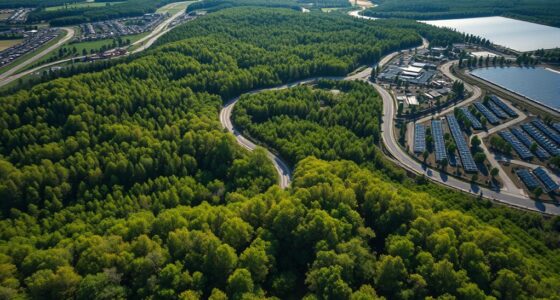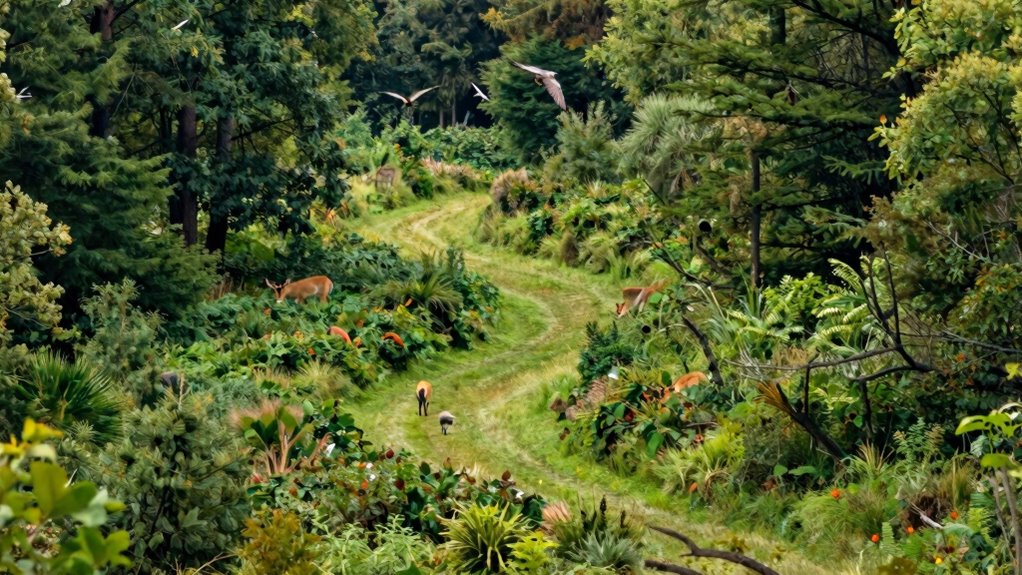

Wildlife corridors reconnect broken habitats by creating safe pathways for animals to move between isolated areas. They bridge gaps caused by urban development and habitat fragmentation, helping species find food, mates, and breeding grounds. These corridors support genetic diversity and allow animals to adapt to climate change. By planning and restoring these pathways, we make it easier for wildlife to survive and thrive. If you want to understand how these corridors help the environment, there’s more to discover ahead.

Get pet supplies delivered free with Prime
- Fast, free delivery on millions of items
- Prime Video, Amazon Music and more included
- Member-only deals all year
Key Takeaways
- Wildlife corridors provide safe pathways that link fragmented habitats, enabling animals to move freely between them.
- They restore ecological connectivity, allowing gene flow and reducing risks of inbreeding within isolated populations.
- Corridors facilitate species migration in response to climate change, helping ecosystems adapt to environmental shifts.
- Restoring and removing barriers in corridors reconnects habitats disrupted by urban development and infrastructure.
- Effective planning and maintenance ensure corridors remain functional, sustaining long-term habitat connectivity.
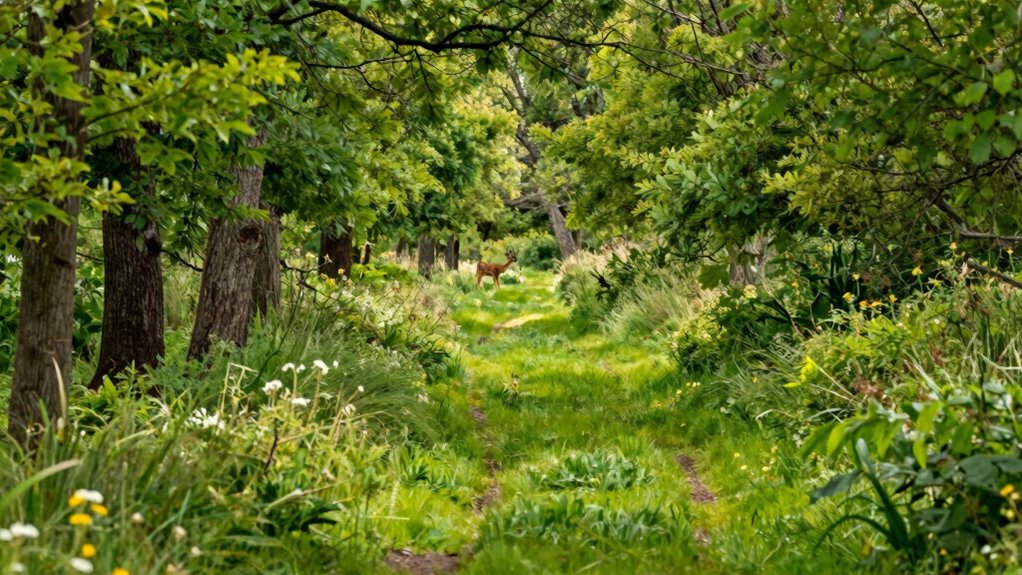
As habitats become increasingly fragmented, wildlife corridors emerge as essential pathways that reconnect isolated ecosystems. You might notice that urban expansion rapidly transforms natural landscapes into cities, cutting through forests, grasslands, and wetlands. This development creates barriers that prevent animals from moving freely, disrupting migration routes and access to breeding or feeding grounds. Without these natural corridors, many species face declining populations or even extinction. Wildlife corridors serve as vital links, allowing animals to traverse human-made barriers safely and maintain genetic diversity. By providing safe passage, they help species adapt to the changing environment and guarantee their survival amid ongoing urban expansion. Additionally, establishing effective corridors often involves understanding animal movement patterns, ensuring that the pathways align with the natural behaviors of local species.
Wildlife corridors reconnect habitats, helping animals migrate safely and survive amid urban development and habitat fragmentation.
Climate impact also plays a significant role in habitat fragmentation. As global temperatures rise, ecosystems shift, and some species are forced to migrate to cooler areas. However, fragmented habitats hinder their movement, trapping animals in unsuitable conditions and increasing their vulnerability to climate stresses. Wildlife corridors help mitigate this problem by offering continuous habitats that span across different regions, enabling species to move in response to climate changes. These pathways allow animals to find new food sources, avoid extreme weather, and adapt to shifting climates more effectively. In this way, wildlife corridors act as climate resilience tools, buffering the effects of climate impact on biodiversity. Moreover, incorporating ecological connectivity into land planning can significantly enhance the effectiveness of these corridors. Recognizing species-specific needs during planning is crucial to ensure that the corridors effectively support diverse animal populations.
Creating these corridors requires strategic planning and collaboration among communities, conservationists, and policymakers. You can support efforts to establish protected pathways by advocating for land use policies that prioritize ecological connectivity. Restoring degraded lands and removing barriers like fences or roads also enhances corridor effectiveness. When designing these pathways, it’s important to evaluate the specific needs of local species—their movement patterns, dietary needs, and breeding behaviors—to guarantee the corridors serve their intended purpose. Proper maintenance and monitoring are indispensable to adapt and improve these connections over time, especially as urban areas continue to grow and climate patterns shift.
Ultimately, wildlife corridors are more than just green strips in the landscape—they’re lifelines that sustain biodiversity amid the pressures of human development and climate change. You have the power to support, promote, and participate in efforts that protect these essential pathways. By doing so, you help assure that wildlife can continue to thrive, migrate, and adapt in an increasingly fragmented world. These corridors embody hope for a future where humans live in harmony with nature, allowing ecosystems to remain resilient in the face of rapid change.
Products Worth Considering

Dyson Ball Animal 2 Plus Corded Vacuum

Dyson Ball Animal Total Clean Upright Vacuum

Dyson V16 Piston Animal Cordless Vacuum
As an affiliate, we earn on qualifying purchases.
Frequently Asked Questions
How Are Wildlife Corridors Funded and Maintained Long-Term?
You fund wildlife corridors through a mix of sources like government grants, private donations, and conservation organizations. To maintain them long-term, you implement strategies such as regular habitat monitoring, community involvement, and adaptive management practices. These efforts guarantee corridors stay functional and effective, supporting wildlife movement. Consistent funding and proactive maintenance are key to preserving these essential pathways for future generations.
Do Wildlife Corridors Affect Local Human Communities?
Wildlife corridors influence local communities by balancing land use with human safety. While they protect animals and promote biodiversity, they can also create concerns over land access and safety. You might worry about animals crossing roads or affecting nearby properties, but proper planning minimizes these risks. Ultimately, these corridors foster coexistence, encouraging people to value nature’s role while maintaining safe, sustainable communities.
How Do Corridors Adapt to Climate Change?
Wildlife corridors adapt to climate change by allowing species to move freely between habitats, maintaining genetic diversity and boosting habitat resilience. As climate patterns shift, these corridors enable animals to find suitable environments, reducing the risk of local extinctions. By connecting fragmented landscapes, you help guarantee ecosystems stay healthy and adaptable, supporting long-term biodiversity and resilience in the face of changing conditions.
Are Wildlife Corridors Effective for All Species?
Imagine wildlife corridors as essential bridges in a busy city, connecting different neighborhoods. They’re effective for many species migration, ensuring animals find new habitats and maintain genetic diversity. However, not all species benefit equally—some require specific habitats or behaviors that corridors might not support. So, while they enhance habitat connectivity, their effectiveness varies, and tailored strategies are often needed to support diverse wildlife needs across ecosystems.
What Are the Biggest Challenges in Creating Wildlife Corridors?
The biggest challenges in creating wildlife corridors stem from habitat fragmentation and facilitating species migration. You need to carefully plan locations, ensuring they connect fragmented habitats without disrupting local land use or human activity. Funding and land acquisition often pose hurdles, making it tough to establish continuous corridors. Additionally, maintaining suitable habitat conditions within these corridors is vital to support diverse species during their migration journeys.
Conclusion
By creating wildlife corridors, you play a vital role in restoring broken habitats. These pathways allow animals to migrate safely, find food, and reproduce, strengthening their populations. Did you know that over 70% of land animals depend on corridors to survive? Your support helps guarantee these essential routes remain open, fostering biodiversity and resilient ecosystems. Together, you can make a real difference in reconnecting fragmented habitats and safeguarding wildlife for future generations.