TL;DR
Pet food companies including Hill’s, Mars, Purina and Open Farm are expanding regenerative agriculture through farm partnerships, incentives, sourcing goals and product verification. Reported acreage and sourcing milestones show growth, but costs, environmental outcomes and comparability across programs remain unclear.
Pet food companies including Hill’s, Mars, Purina and Open Farm are expanding regenerative agriculture across supply chains through farm partnerships, financial incentives, sourcing targets and product verification, according to a GlobalPETS report. The programs cover ingredients such as corn, wheat, soybeans and lamb, but companies have not disclosed the full costs or consistent measures that would allow their environmental results to be compared.

Get pet supplies delivered free with Prime
- Fast, free delivery on millions of items
- Prime Video, Amazon Music and more included
- Member-only deals all year
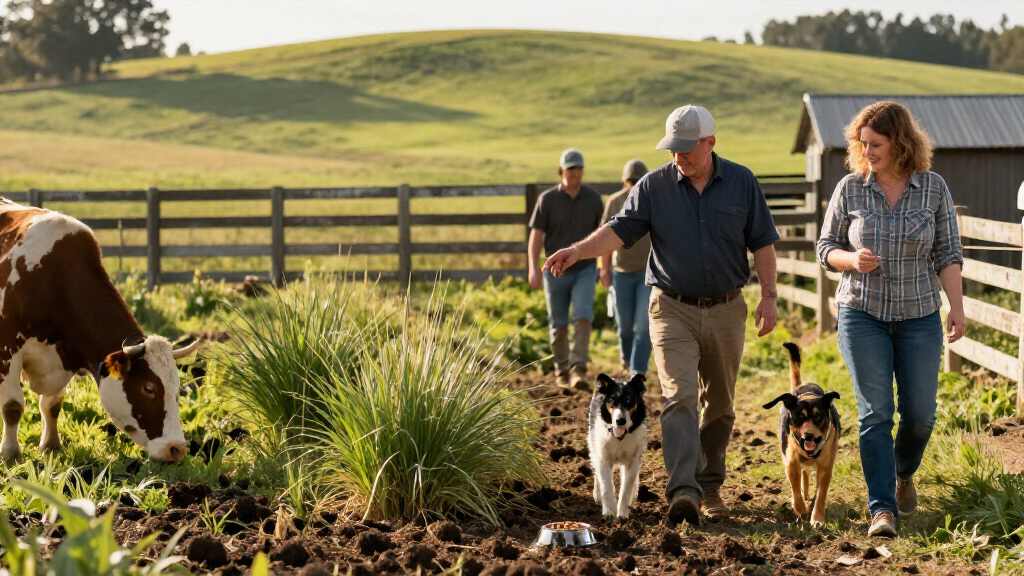
Hill’s Pet Nutrition is working with ingredient supplier ADM on two pilot programs covering 16,000 acres of corn and soybean fields in Illinois and Minnesota, and 2,500 acres of soybean fields in Hungary. Hill’s said those ingredients are used in Prescription Diet and Science Diet products and that it plans to expand the area after the pilot phase. It also has a separate partnership with Riceland Foods focused on reducing emissions associated with rice ingredients.
ADM’s re program combines farmer payments and technical support for practices such as cover cropping, reduced tillage, double cropping and nutrient management. The company reported that the program covered 28,000 farmers and 5 million regenerative acres globally as of 2024. ADM said eligible North American farmers can receive up to $40 per acre through crop premiums and payments; incentive levels vary by region. The program expanded in 2025 to Germany, Bulgaria, Romania and Australia, with results still being assessed internally at the time of the report.
Purina Europe said it exceeded its 2025 milestone: 29% of its cereals and vegetable proteins came from farmers using regenerative practices, above its original 20% target. Nestlé’s pet care business works with more than 630 farmers across over 37,500 hectares in Europe, according to the report. Open Farm, meanwhile, launched a freeze-dried lamb lung dog treat that it describes as its first “100% Regenerative Agriculture Verified” product. The company said Land to Market verified the claim and that QR codes let buyers view ingredient origins and certifications.
Supply Programs Reach Pet Food Products
These initiatives link changes on farms to familiar pet food ingredients and, in some cases, to specific products. That connection matters because pet food manufacturers buy agricultural inputs at scale: sourcing commitments can give farmers a buyer and financial support as they adopt new practices, while making supply-chain goals more visible to shoppers.
The reported developments also show several approaches operating at once. Some companies work through ingredient suppliers and farm pilots; others set sourcing targets, establish commercial sustainability agreements or label a product with a verification claim. These are not interchangeable measures. A sourcing share or acreage figure indicates program reach, but does not by itself establish the size of environmental improvements or prove that every ingredient in a brand’s products was produced regeneratively.
For farmers, incentives may help offset the costs of changing methods. For companies and consumers, the unresolved issue is whether those investments produce durable improvements while keeping ingredients available and products affordable. The report cites Boston Consulting Group’s view that regenerative practices may improve yields and resilience to climate-related weather, but that is a potential benefit, not a documented result for each program described.
Products Worth Considering

Roborock Qrevo QR 598 Robot Vacuum and Mop

PetSafe ScoopFree Crystal Pro Legacy Self-Cleaning Litter Box, Uncovered

PETLIBRO RFID Automatic Cat Feeder with Collar Sensor
As an affiliate, we earn on qualifying purchases.
From Farm Pilots to Brand Claims
Regenerative agriculture is a broad term for farming practices intended to improve soil health, protect nature and reduce environmental impacts. Examples cited in the report include cover crops, which protect or enrich soil, and no-till or strip-till methods that limit soil disturbance. Definitions and measurement methods can differ among companies and verification providers, so the label alone does not tell consumers which practices were used or what outcomes were measured.
Several developments in the report build on existing programs. Hill’s and ADM’s pilots focus on corn and soy, while ADM also announced a wheat supply partnership with Mars in September for Royal Canin brands. In Europe, Purina has worked with farmers in France, the UK, Hungary, Poland and Italy and added pilot projects in Italy and Turkey. The company’s French Living Soils Programme has supported more than 370 farmers, according to Purina.
Purina also joined a sustainability-linked business plan with French retailer Carrefour, initiated by Carrefour in 2025. The agreement sets shared objectives covering regenerative sourcing, packaging recyclability and logistics emissions. It gives Purina a commercial framework for targets beyond farm practices, though the report does not provide a full account of how progress will be independently evaluated.
“The company maintains control over ingredient origins and traceability, from the farm level onward, through direct sourcing from farms and processors.”
— Anne Malleau, Open Farm vice president of agriculture and animal welfare programs
Costs and Outcomes Still Vary
Companies have not disclosed the overall cost of adopting these practices or whether it will affect retail prices. The report also does not provide a common baseline or comparable outcome data across the named programs, such as measured changes in soil condition, emissions, biodiversity or farm profitability. ADM’s newly expanded programs were still being assessed internally when reported.
Verification also applies to particular claims and products, not necessarily an entire company’s sourcing. Open Farm’s product is described as verified by Land to Market, but the source does not detail the verification criteria or audit results. It remains unclear how consistently companies will report progress over time, how targets will be checked, and how much of their total ingredient supply will eventually come from regenerative sources.
Expansion and Reporting to Watch
Hill’s has said it plans to expand the acreage covered after its ADM pilots. ADM’s results from its 2025 expansion into Germany, Bulgaria, Romania and Australia are a further point to watch, alongside progress under its existing farmer incentive program. The report does not give a timetable for publication of those assessments.
Purina’s sourcing share, Carrefour agreement and country-level projects will offer further indicators of whether its targets translate into reported procurement changes. For Open Farm, the immediate development is a product-level claim supported by traceability information; broader adoption would depend on what the company reports about additional ingredients and products. Clearer disclosures on costs, verification standards and measured outcomes would help buyers and farmers compare programs as they grow.
Key Questions
Which pet food companies are expanding regenerative sourcing?
The report names Hill’s, Mars, Purina and Open Farm, alongside ingredient supplier ADM and other partners. Their approaches include farm pilots, sourcing commitments, incentives and product verification.
What farming practices are included?
ADM’s program lists cover cropping, no-till and strip-till, double cropping, biological inputs and nutrient management, among other practices. The exact methods can differ by farm and program.
Has Purina met a regenerative sourcing target?
Purina Europe said 29% of its cereals and vegetable proteins came from farmers using regenerative practices, exceeding its original 2025 target of 20%. That figure is the company’s reported sourcing share, not a measure of environmental outcomes.
Does regenerative sourcing mean pet food prices will rise?
The effect on prices is not known. The report says companies do not disclose the full cost of these programs or whether costs are reflected in retail prices.
How can shoppers check a regenerative product claim?
Open Farm said its lamb lung treat carries a Land to Market verification claim and QR codes for ingredient origins and certifications. The report does not establish that this verification applies to other products or brands.
Source: globalpetindustry.com