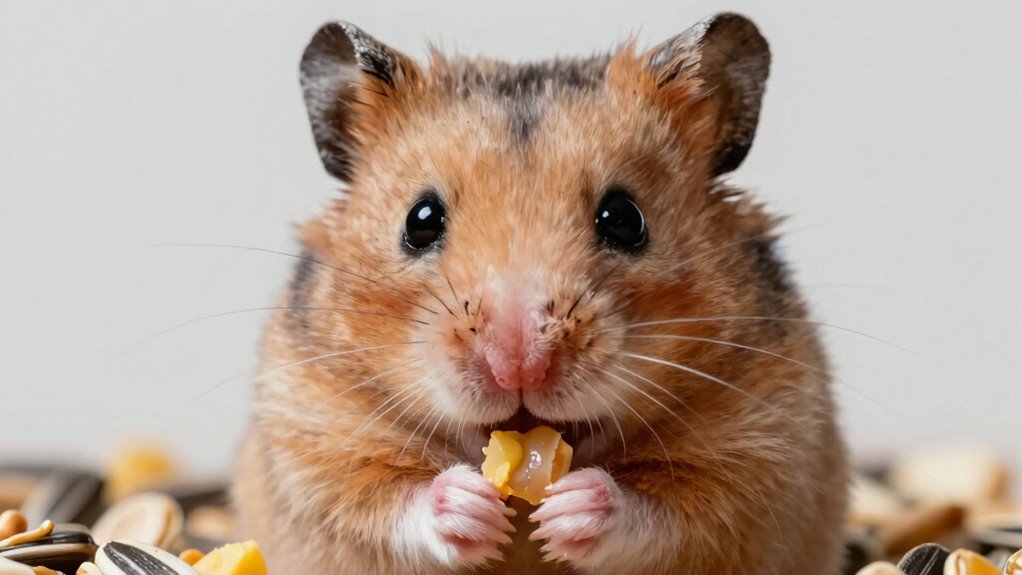

Hamsters hoard food in their cheeks because it’s an instinctive survival behavior. They gather and store food to guarantee they have enough during times of scarcity. Their large, expandable cheek pouches can hold up to 20% of their body weight, making it easy to transport food quickly and safely. This behavior mimics their natural needs for security and nourishment. To understand more about why they do this, keep exploring how their instincts support their health and well-being.

Get pet supplies delivered free with Prime
- Fast, free delivery on millions of items
- Prime Video, Amazon Music and more included
- Member-only deals all year
Key Takeaways
- Hamsters hoard food in their cheeks as an innate survival instinct to ensure a steady supply during scarcity.
- Cheek pouches allow them to carry large amounts of food quickly and efficiently.
- Hoarding reduces the need for frequent trips to find food, conserving energy and minimizing predator risk.
- Their natural omnivorous diet prompts food gathering and storage behavior.
- Observing food hoarding indicates their well-being and helps meet their natural needs in captivity.
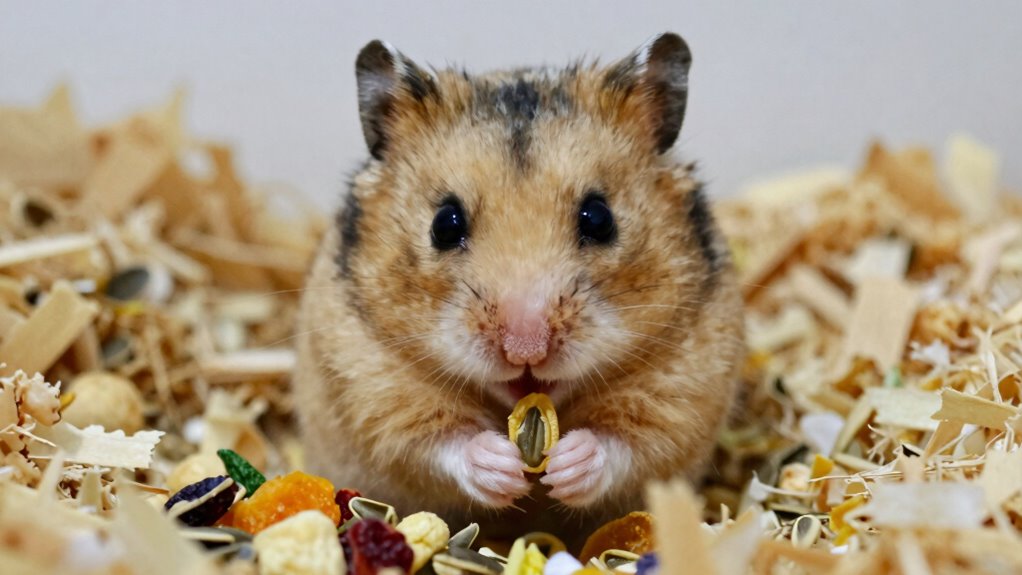
Have you ever wondered why hamsters spend so much time gathering and hiding food? It’s a natural behavior rooted in their survival instincts. Hamsters are omnivorous creatures with a unique way of ensuring they stay nourished, especially during times when food might be scarce. Their instinct to hoard isn’t just about greed; it’s about security. When you observe your hamster collecting bits of food and stuffing it into their cheeks, you’re witnessing an instinctive behavior that’s essential for their well-being. Their diet, which includes seeds, grains, fruits, and vegetables, varies, but they always aim to gather enough to last them through periods of scarcity. This behavior allows them to store food close at hand, minimizing the risk of starvation.
Hamsters hoard food for security, storing enough to survive times of scarcity and ensuring their well-being.
A key factor in this behavior is their cheek pouch capacity. Hamsters have large, expandable cheek pouches that can hold a significant amount of food—sometimes up to 20% of their body weight. This cheek pouch capacity enables them to transport food quickly from one location to another—perhaps from a foraging site to their hiding spot. It’s a clever adaptation that reduces the number of trips they need to make, conserving their energy and keeping them safe from predators or other threats while they gather their supplies. The capacity of their cheek pouches is vital for their survival, especially in the wild, where food sources can be unpredictable and sporadic.
When you provide your hamster with a balanced hamster diet, you’re supporting their natural hoarding instinct, making sure they have enough nutrients to store. Their behavior of stuffing their cheeks isn’t just about filling up; it’s about preparing for leaner times. Their cheek pouch capacity allows them to maximize their food storage efficiently, which is why you’ll often see them carrying large amounts of food at once. This behavior also helps prevent overeating, as they can carry food away from the main feeding area and eat at their leisure. Understanding their hoarding habits and the role of their cheek pouch capacity helps you better care for your pet, ensuring they stay healthy and stress-free.
In essence, hamsters hoard food because it’s ingrained in their survival behavior. Their diet and cheek pouch capacity work together to enable them to gather and store enough nutrition, giving them a sense of security. It’s a fascinating trait that highlights their adaptability and resilience, making them one of the most interesting small pets to observe and care for.
As an affiliate, we earn on qualifying purchases.
Frequently Asked Questions
Do All Hamster Species Hoard Food Equally?
Not all hamster species hoard food equally because their behavioral instincts and dietary preferences differ. Syrian hamsters, for example, hoard large amounts of food in their cheeks, while dwarf species may hoard less or store food differently. These differences are driven by their natural habitats and survival strategies. Understanding these variations helps you better care for your hamster and meet its unique needs.
How Long Can Hamsters Store Food in Their Cheeks?
You might wonder how long hamsters can store food in their cheeks. Their cheek pouch capacity allows them to carry food for short periods, typically up to several hours. This hoarding behavior helps them move food efficiently, especially when foraging. However, they usually don’t store food in their cheeks for extended periods, as their main goal is to transport food quickly to their burrows or storage areas.
Can Hoarding Indicate a Health Issue?
Hoarding can sometimes signal a health issue, much like a canary in a coal mine. If your hamster suddenly starts storing less or more than usual, it might indicate dietary deficiencies or stress from behavioral instincts gone awry. Keep an eye on their habits, and if changes persist, consult a vet. This behavior acts as an early warning, helping you spot potential health problems before they escalate.
Do Hamsters Prefer Certain Types of Food to Hoard?
Yes, hamsters prefer certain types of food to hoard. They choose their diet preferences based on taste, nutrition, and ease of storage. They tend to hoard food variety, especially seeds, grains, and dried fruits, which they find appealing and easy to carry in their cheeks. Offering a mix of these foods encourages natural hoarding behavior, helping keep your hamster happy and healthy while mimicking their natural instincts.
How Can I Prevent My Hamster From Overeating?
To prevent your hamster from overeating, you should monitor its dietary habits and set portion sizes for each feeding. Keep a consistent schedule and avoid offering too many treats, which can encourage overconsumption. Observe its behavior patterns to spot signs of overeating, like weight gain or lethargy. Providing a balanced diet and limiting access to excessive food helps maintain a healthy weight and promotes overall well-being.
Conclusion
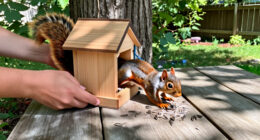
Much like a squirrel hoarding acorns for winter, you can see how hamsters stash food in their cheeks to prepare for leaner days. Their instinct, rooted deep in nature, teaches us the importance of planning and resourcefulness. By understanding their behavior, you gain insight into the timeless dance of survival. So next time you see a hamster fill its cheeks, remember it’s not just storage—it’s a proof to nature’s wisdom, echoing through generations.
Halloween Picks
halloween
As an affiliate, we earn on qualifying purchases.