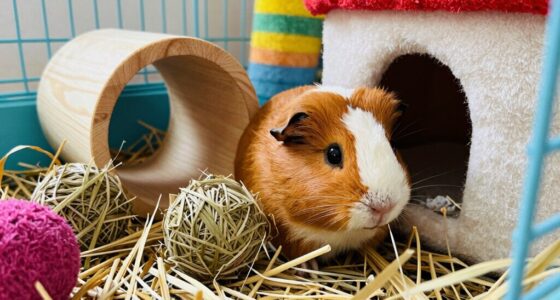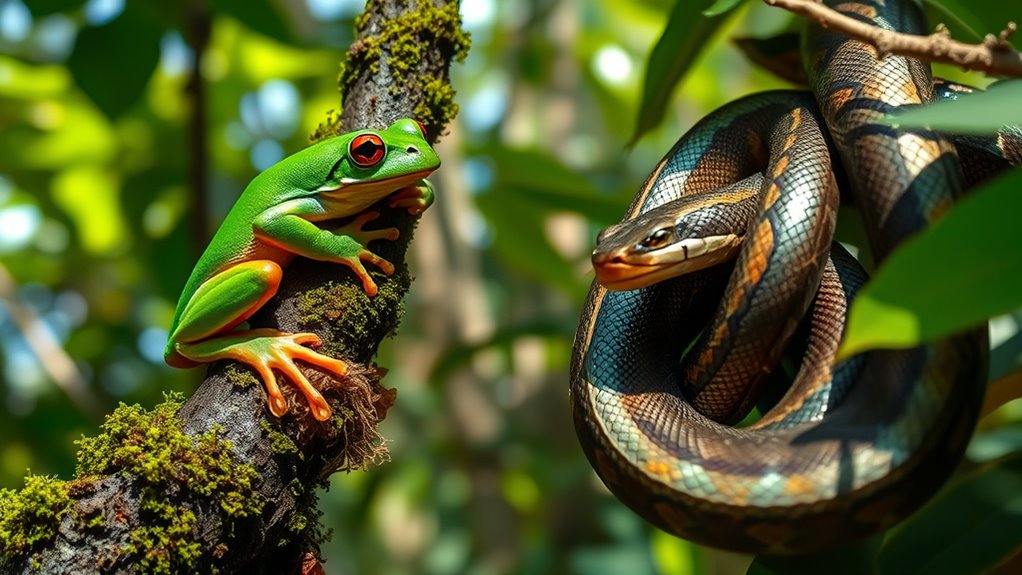

When your pet goes through molting and shedding, you might notice some behavioral changes. Hormonal fluctuations often cause irritability or withdrawal, and your pet may groom more or even stop grooming altogether. Environmental cues, like temperature and light, trigger these changes too. Watch for appetite shifts as well—some pets eat less, while others seek more treats. Understanding these behaviors can help you support your pet during this progression. There’s much more to explore on this topic!

Get pet supplies delivered free with Prime
- Fast, free delivery on millions of items
- Prime Video, Amazon Music and more included
- Member-only deals all year
Key Takeaways
- Pets may display increased irritability or withdrawal due to hormonal fluctuations during the molting process.
- Environmental cues like temperature and light exposure significantly influence the timing and occurrence of shedding.
- Behavioral responses such as restlessness or lethargy can occur as pets adjust to molting discomfort.
- Grooming habits may vary, with some pets grooming more while others avoid it during shedding.
- Changes in appetite are common; monitoring eating habits helps ensure pets remain healthy during this transition.

When you observe your pet’s behavior changing, it might signal an upcoming molt or shed. Pets often exhibit noticeable shifts in their habits, energy levels, and even their social interactions during these times. Understanding these changes can help you better support your furry friend through their transition.
One of the primary factors behind these behavioral changes is hormonal fluctuations. As your pet prepares to shed old skin or feathers, their body releases certain hormones that trigger the molting process. You might notice that your pet becomes more irritable or withdrawn during this time. These hormonal shifts can make them feel uncomfortable and lead to increased stress. It’s vital to recognize that these behaviors are natural responses to the internal changes your pet is experiencing.
In addition to hormonal fluctuations, environmental cues play a significant role in molting and shedding. Changes in temperature, light exposure, and even humidity can signal to your pet that it’s time to shed. For instance, as the days grow longer in spring, many animals instinctively prepare for their seasonal molt. You might notice your pet seeking out cooler or darker spots in your home or becoming more vocal about their discomfort. Paying attention to these cues will help you understand what your pet needs during this transitional phase.
You may also observe changes in grooming habits. Some pets will groom themselves more frequently as they prepare for a molt, while others might do the opposite and avoid grooming altogether. If your pet starts shedding more fur or feathers, it’s vital to provide them with a comfortable space where they can feel secure. Regular brushing can help alleviate some of the discomfort associated with shedding, while also keeping your home cleaner.
Additionally, changes in appetite can occur. Some pets may eat less when they are preparing to molt, while others might become more food-oriented, seeking out treats and snacks. Keep an eye on their eating habits, and don’t hesitate to consult your vet if you notice any significant changes.
Ultimately, understanding these behavioral changes helps you develop a more supportive environment for your pet during their molting or shedding period. By being attentive and responsive to their needs, you can help ease their transition and strengthen your bond, ensuring they come out of this phase feeling healthy and happy. Furthermore, recognizing the impact of hormonal fluctuations on your pet’s behavior can provide deeper insights into their needs during this time.
pet grooming brushes for shedding
As an affiliate, we earn on qualifying purchases.
As an affiliate, we earn on qualifying purchases.
Frequently Asked Questions
How Often Do Different Species Molt or Shed?
Different species molt or shed at varying frequencies, often influenced by environmental factors. For example, reptiles might shed every few weeks or months, while birds typically molt once or twice a year. Amphibians can shed their skin frequently, depending on humidity and temperature. You’ll find that mammals may shed fur seasonally, influenced by climate changes. So, pay attention to how different species adapt their shedding patterns based on their surroundings!
Are There Health Risks Associated With Molting?
Molting’s like a tight sweater you need to shed for comfort. While it’s a natural process, there can be health risks involved. For instance, if your pet’s not getting enough nutrients during this time, nutritional deficiencies can arise. Additionally, hormonal imbalances might occur, leading to stress or behavioral changes. Keeping an eye on their diet and environment can help prevent these issues, ensuring their health stays as vibrant as their new coat.
Can Molting Be Painful for Animals?
Yes, molting can be painful for animals. During this process, you might notice behavioral signs like increased irritability or reluctance to move. Animals may also exhibit a pain response, such as vocalizations or changes in appetite. It’s crucial to observe your pet closely during molting, as discomfort can arise from the effort of shedding old skin or feathers. Providing a stress-free environment can help ease their progression and minimize any pain they may experience.
What Role Does Temperature Play in Molting?
Imagine a butterfly feeling the warmth of the sun, coaxing it to break free from its chrysalis. Temperature plays a vital role in molting; as it rises, it can trigger the process in many animals. Warmer conditions often stimulate hormonal changes, prompting growth and shedding. Conversely, cooler temperatures can halt this cycle, causing delays. Your surroundings, influenced by temperature effects, act as environmental triggers that guide when an animal sheds its old skin.
How Can I Assist My Pet During Molting?
You can assist your pet during molting by making some key adjustments. First, modify their diet to include more protein and nutrients, helping support the molting process. Additionally, maintain appropriate habitat humidity; a slightly higher humidity level can ease discomfort and promote healthy shedding. Keep an eye on your pet’s behavior, ensuring they’re comfortable, and provide a stress-free environment to help them through this natural phase smoothly.
Conclusion
In summary, understanding molting and shedding can enhance your appreciation for the fascinating world of animals. Did you know that some reptiles can shed up to 100% of their skin in a single process? This remarkable ability not only helps them grow but also aids in removing parasites. By recognizing the triggers and behaviors associated with these processes, you can better connect with the creatures around you and appreciate the incredible adaptations they’ve developed.
Fall Picks
fall essentials
As an affiliate, we earn on qualifying purchases.