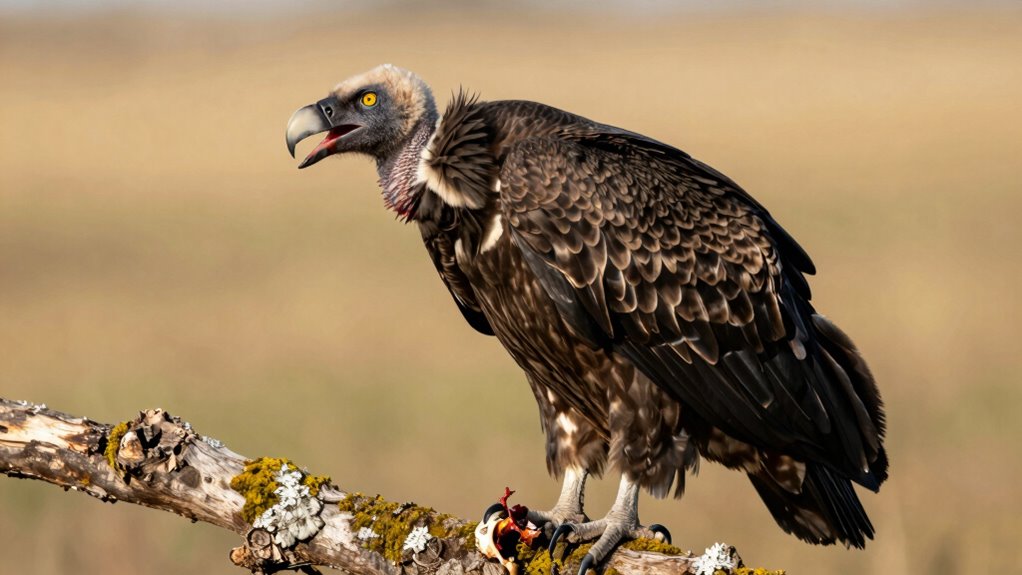

You might wonder why vultures don’t get sick from eating decayed flesh, and it’s because they’re specially adapted. Their stomachs are extremely acidic, with pH levels as low as 1 to 2, which destroys harmful bacteria and viruses. They also have resilient immune systems that tolerate toxins and microbial hazards. These unique features allow vultures to safely consume carcasses others would avoid. If you look deeper, you’ll discover how these remarkable adaptations support their survival and ecological role.

Get pet supplies delivered free — and shop member deals
- Fast, free delivery on millions of items
- Access to Prime Big Deal Days deals on October 6–7
- Prime Video, Amazon Music and more included
Key Takeaways
- Vultures have highly acidic stomachs with a pH of 1 to 2 that kill harmful bacteria and viruses in decayed flesh.
- Their immune systems are resilient, producing powerful antibodies that tolerate toxins and microbial hazards.
- Their specialized metabolism quickly consumes carcasses, reducing exposure time to dangerous pathogens.
- Adaptations in digestion and immunity prevent infections despite frequent ingestion of decayed material.
- They play a vital ecological role by safely disposing of dead animals, preventing disease spread.
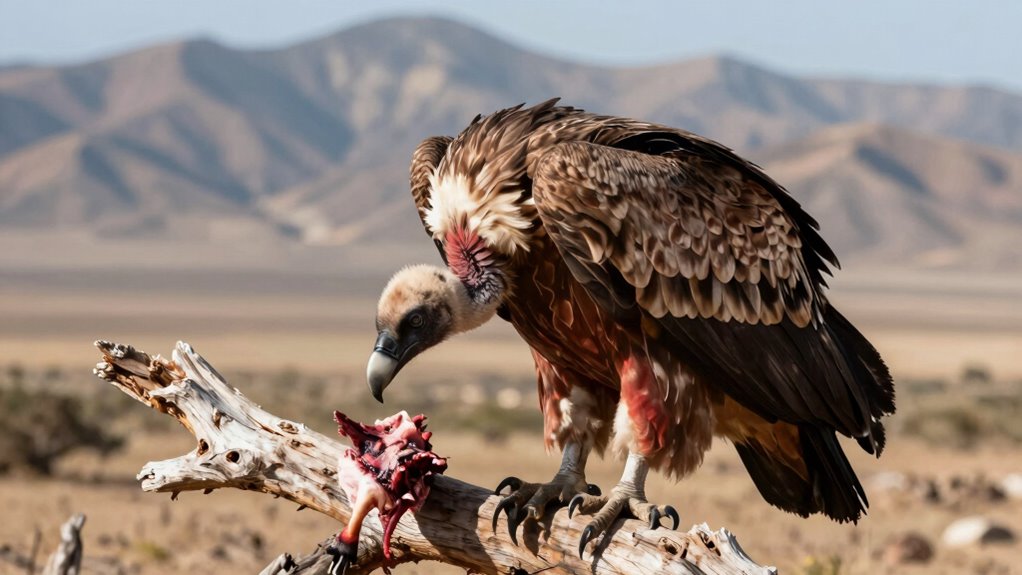
Have you ever wondered what role vultures play in the natural world? These scavengers are crucial for keeping ecosystems clean and balanced. When you see a vulture soaring high above, it’s easy to think of them simply as carrion eaters, but there’s much more happening beneath the surface. One of their most impressive features is their unique metabolism, which allows them to consume decayed flesh that would be deadly to most animals. Their bodies are specially adapted to handle the bacterial and chemical hazards found in carrion, making them the ultimate cleanup crew.
Vulture metabolism is remarkably efficient at neutralizing toxins and pathogens present in decomposing flesh. Unlike other animals, vultures have a highly acidic stomach environment, with a pH that can be as low as 1 to 2. This extreme acidity destroys harmful bacteria and viruses, preventing infections that could otherwise make them sick. Their immune systems are also uniquely primed to tolerate the many toxins produced during carrion decomposition. This combination of physiological traits ensures that they can safely consume decaying carcasses without succumbing to disease.
Vultures’ highly acidic stomachs and resilient immune systems protect them from deadly bacteria and toxins in decaying flesh.
When it comes to carrion decomposition, vultures play a crucial role by consuming carcasses quickly, which helps prevent the spread of disease to other animals and humans. Their feeding habits are not just about survival; they actively contribute to ecosystem health by reducing the risk of pest infestations and controlling the spread of pathogens. Their rapid consumption of carrion also accelerates decomposition, recycling nutrients back into the environment. This process supports plant growth and maintains the overall balance of many ecosystems.
You might wonder how vultures avoid getting sick despite their constant exposure to potentially dangerous material. Their highly specialized digestive system acts as a natural barrier, breaking down harmful microbes before they can cause harm. Additionally, their immune systems are equipped with powerful antibodies that provide extra protection. These adaptations mean that vultures can safely scavenge on carcasses that would be lethal to other animals, including predators and omnivores.
In essence, vultures are perfectly adapted to their scavenging lifestyle. Their unique metabolism, combined with their immune resilience and specialized digestive system, allows them to thrive on carrion decomposition without falling ill. By doing so, they perform an indispensable ecological service, ensuring that dead animals are efficiently cleaned up and the environment remains healthy and disease-free. Their role underscores the importance of evolutionary adaptations that turn a potentially deadly food source into a survival advantage.
extremely acidic stomach supplement
As an affiliate, we earn on qualifying purchases.
As an affiliate, we earn on qualifying purchases.
Frequently Asked Questions
How Do Vultures Locate Their Food Sources so Quickly?
You might wonder how vultures find food so fast. They rely heavily on their incredible eyesight and scent detection abilities. Vultures have sharp eyesight that spot carcasses from miles away, while their keen sense of smell helps them detect decaying flesh even when carcasses are hidden. This combination allows vultures to locate food sources quickly, ensuring they get to the carrion before other scavengers.
What Specific Bacteria or Viruses Are Present in Carrion?
Like a shield protecting a fortress, vultures’ microbial defenses and immune adaptations guard them against bacteria and viruses in carrion. Common microbes include Clostridium, Salmonella, and E. coli, along with viruses like rabies. Their highly acidic stomachs and specialized immune systems break down harmful pathogens, preventing illness. These adaptations help vultures safely consume decaying flesh, turning potential threats into harmless digestion processes.
Do Vultures Have Any Predators Despite Their Scavenging Habits?
You might wonder if vultures face predators despite their scavenging habits. While they are generally safe due to their size, strong talons, and sharp beaks, they can fall prey to predatory threats like large eagles or humans. Vulture conservation efforts focus on protecting these crucial scavengers from habitat loss and illegal hunting, ensuring they continue their essential role in ecosystems and reducing any predatory threats they may encounter.
How Long Can Vultures Survive Without Feeding?
You might be surprised to learn that vultures can survive up to a month without food, thanks to their incredible endurance. Their immune system, called vulture immunity, allows them to safely consume carrion in advanced stages of decomposition, which would be dangerous for other animals. This adaptation helps them thrive on decomposing carcasses, turning what’s deadly for others into an essential food source, showcasing nature’s remarkable balance.
Are There Differences in Scavenging Behaviors Among Vulture Species?
You’ll notice that different vulture species exhibit varied scavenging behaviors, which is essential for maintaining healthy scavenger ecosystems. Some, like the griffon vulture, prefer soaring high and spotting carcasses from above, while others, such as the Egyptian vulture, scavenge at ground level. These differences support vulture conservation by ensuring carcass cleanup across diverse habitats, preventing disease spread, and sustaining biodiversity within scavenger ecosystems.
Conclusion
So, next time you see a vulture munching on what looks like a death buffet, just remember—it’s the health inspector of the animal world, immune to the germs that turn us into hospital visitors. While humans spend fortunes on sanitizers, these feathered doctors dine on decay and stay perfectly healthy. Who knew that the secret to longevity was just a little bird with a big appetite for the gross? Cheers to nature’s ultimate germaphobe!
Fall Picks
fall essentials
As an affiliate, we earn on qualifying purchases.