
TL;DR

Get pet supplies delivered free with Prime
- Fast, free delivery on millions of items
- Prime Video, Amazon Music and more included
- Member-only deals all year
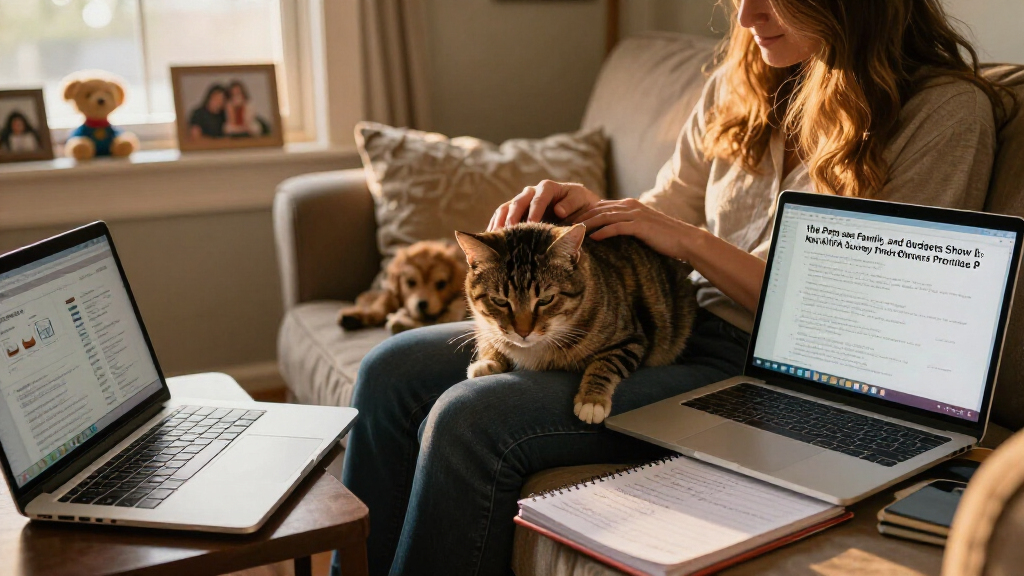
A recent survey by the AICPA shows that pet owners are prioritizing pet-related expenses in their budgets, viewing pets as family members. This trend influences financial planning and spending habits.
The American Institute of CPAs (AICPA) has released a new survey revealing that pet owners are increasingly dedicating a significant portion of their budgets to pet care, underscoring the view of pets as family members. This shift in spending habits highlights the growing importance of pets in household finances and long-term planning.
The survey conducted by the AICPA found that a majority of pet owners allocate between 10% and 20% of their discretionary spending to pet-related expenses, including food, veterinary care, and accessories. Many respondents also reported planning for pet expenses over the long term, such as savings for emergencies and future medical needs.
According to the survey, pet owners are willing to prioritize these expenses even amid economic pressures, with some reporting that they have increased their pet care budgets over the past year. Financial advisors note that this trend reflects a broader cultural shift, where pets are increasingly viewed as integral family members rather than just animals.
Why Pet Spending Trends Affect Household Finances
This trend matters because it influences household budgets, savings strategies, and long-term financial planning. As pets occupy a larger share of household expenses, financial advisors and planners need to consider pet-related costs when advising clients. It also signals a potential shift in consumer behavior, with implications for pet-related industries and the economy.
Products Worth Considering

Fi Series 3+ GPS Dog Collar & Tracker, Membership Required, Gray Large

iRobot Roomba Max 715 Pet Robot Vacuum with AutoEmpty Dock

PetSafe CozyUp Wooden Pet Bed Ramp, White
As an affiliate, we earn on qualifying purchases.
Growing Recognition of Pets as Family Members
Over recent years, societal attitudes toward pets have shifted significantly, with many now considered part of the family. The trend is reflected in increased spending on pet care, health insurance, and pet-related services. The AICPA survey builds on this context, showing that this attitude is also influencing how owners allocate their financial resources and plan for the future.
Prior to this survey, industry reports indicated a steady rise in pet industry revenues, but the new data from the AICPA provides a clearer picture of how individual household budgets are adapting to these changes. The survey was conducted among a representative sample of pet owners across the United States.
Unanswered Questions About Long-Term Financial Impact
It is not yet clear how sustainable these increased pet-related expenditures are amid broader economic uncertainties, such as inflation or recession risks. Additionally, the long-term effects on household savings and retirement planning remain to be studied in more detail.
Monitoring Future Spending and Financial Planning Trends
Researchers and financial professionals will likely continue to analyze how pet-related expenses influence household budgets and savings strategies. Future surveys may explore the impact of economic shifts on pet care spending and whether these trends persist in different demographic groups.
Key Questions
How much of their budget do pet owners typically spend on pets?
Most pet owners allocate between 10% and 20% of their discretionary spending to pet-related expenses, according to the AICPA survey.
Are pet owners planning for future pet expenses?
Yes, many owners are planning for long-term costs such as medical emergencies and future care needs, reflecting a shift toward more strategic financial planning for pets.
What does this trend mean for the pet industry?
The increasing prioritization of pet expenses suggests continued growth in pet-related products and services, and potential new opportunities for industry businesses.
Could economic downturns affect pet-related spending?
It remains uncertain whether economic pressures like inflation will reduce pet spending, or if the cultural shift will sustain higher levels of expenditure regardless of economic conditions.
How are financial advisors responding to this trend?
Financial advisors are increasingly incorporating pet-related expenses into clients’ long-term financial plans and savings strategies.
Source: rss