Bird window strikes teach you that buildings need thoughtful design to protect wildlife and create safer urban spaces. Reflective glass and transparent surfaces can confuse birds, leading to deadly collisions. You can help by using decals, patterned glass, or natural landscaping to make windows more visible. These simple changes show how architecture can balance beauty with ecological safety. If you’re curious about how to build smarter, you’ll discover more ways to blend safety and sustainability.

Get pet supplies delivered free with Prime
- Fast, free delivery on millions of items
- Prime Video, Amazon Music and more included
- Member-only deals all year
Key Takeaways
- Bird window strikes reveal the importance of designing transparent surfaces that are visible and recognizable to avian species.
- Incorporating visual cues like decals or fritted glass significantly reduces collision risks.
- Understanding bird behavior and migration patterns informs the creation of safer, more ecological building designs.
- Raising awareness encourages adoption of bird-friendly architecture and sustainable urban planning practices.
- Prioritizing bird safety in building design enhances urban biodiversity and promotes healthier, more resilient cities.
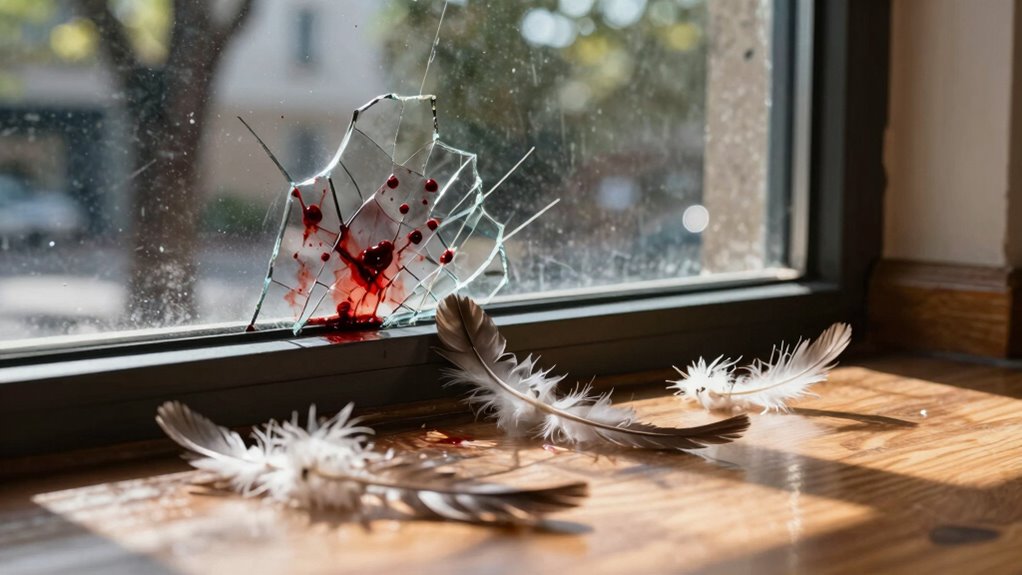
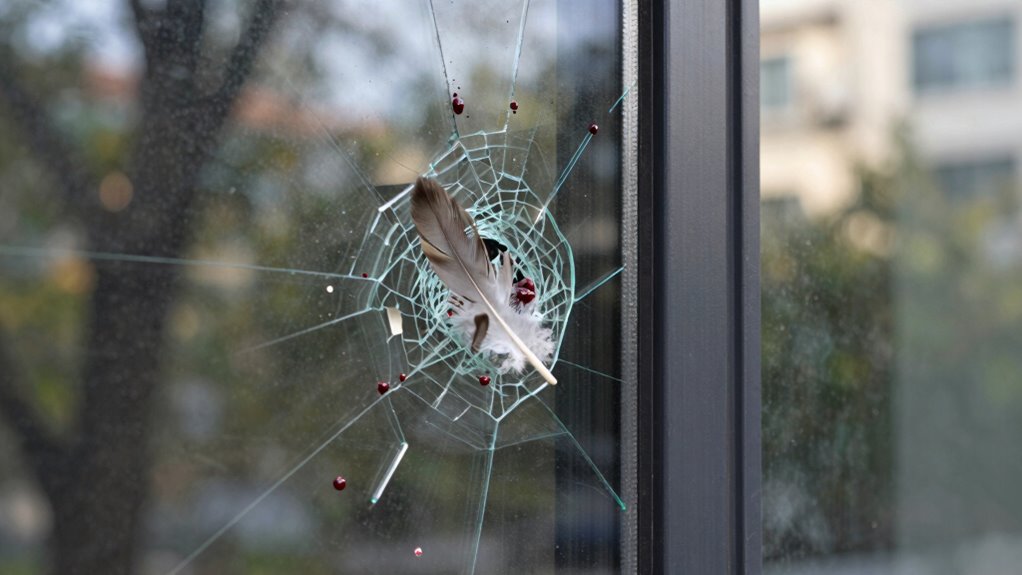
Bird window strikes are a surprising and tragic threat to avian populations, often occurring because birds cannot see glass reflections or transparent surfaces. When you understand this, it highlights the importance of thoughtful glass design and its role in urban ecology. Buildings with large glass facades, shiny windows, or transparent walls create a mirror-like effect that misleads birds into thinking they can fly through open space. This collision often results in injury or death, making it a serious concern for conservation efforts and urban planning alike. Recognizing the connection between glass design and bird safety encourages you to think about how architecture impacts local ecosystems and the health of bird populations.
In urban ecology, the presence of glass buildings has transformed city landscapes into complex habitats where human structures intersect with natural environments. As cities grow, so does the need for buildings that blend functionality with ecological sensitivity. When designing safer buildings, you need to contemplate how glass interacts with the natural behaviors of birds. For example, using glass that reduces reflections or incorporates patterned designs can make windows more visible to birds. This approach not only preserves urban biodiversity but also promotes coexistence between human development and wildlife. By integrating knowledge of urban ecology into glass design, you help create environments where both people and birds can thrive without unnecessary harm.
Learning from bird window strikes teaches you that small changes in glass design can have a significant impact. Simple modifications, like applying decals or fritted glass, break up reflections and make windows more distinguishable. These solutions are easy to implement and cost-effective, yet they save countless bird lives. You also see that incorporating natural elements—such as planting trees or creating green roofs—can reduce the risk of strikes by providing birds with safe, familiar landscapes. Additionally, adopting bird-safe glass technologies can further minimize collisions. These strategies demonstrate how thoughtful urban planning and innovative glass design work together to foster safer, more sustainable cities. Understanding bird behavior can also help inform effective window modifications that prevent strikes.
Furthermore, creating awareness about the importance of urban biodiversity can inspire communities and developers to prioritize bird-friendly design principles. Recognizing the role of urban ecology in urban development encourages more sustainable practices that benefit all inhabitants. Incorporating ecological considerations into architectural planning can lead to the development of structures that are harmonious with local ecosystems. Ultimately, addressing bird window strikes underscores that building design isn’t just about aesthetics or efficiency; it’s about responsibility. As you deliberate the future of urban development, remember that integrating ecological insights into glass design isn’t just good for birds—it’s essential for creating resilient, humane cities. Every window you see can be an opportunity to reflect on how architecture impacts the environment. By prioritizing bird-safe design, you contribute to a healthier urban ecology, ensuring that our cities are safe for all inhabitants—feathered and otherwise.
As an affiliate, we earn on qualifying purchases.
Frequently Asked Questions
How Do Bird Window Strikes Compare Globally?
You’ll find that bird window strikes vary globally, influenced by migration patterns and urban lighting. In cities with bright lights and glass-heavy buildings, strikes happen more often, especially during migration seasons. Countries with extensive urban development see higher incidents, but awareness and solutions like bird-friendly glass are improving safety. Your understanding of these patterns helps you advocate for buildings that protect migratory birds worldwide.
What Are the Economic Costs of Bird Strikes?
The economic impact of bird strikes can be significant, involving repair costs, property damage, and potential liability issues. A thorough cost analysis reveals these incidents lead to thousands of dollars annually for buildings, especially in urban areas with many glass structures. By understanding the economic costs, you can justify investing in bird-friendly designs, ultimately reducing expenses and helping protect bird populations from collisions.
Can Bird-Friendly Design Be Integrated Into Historic Buildings?
Integrating bird-friendly design into historic buildings is entirely possible and essential for preservation. By carefully balancing historical preservation with modern design integration, you can add window decals, UV-patterned glass, or other treatments that prevent bird strikes without compromising aesthetics. These adjustments protect wildlife while respecting the building’s original charm, proving that safety and preservation can coexist beautifully, even in the most treasured historic structures.
How Do Bird Strikes Affect Local Ecosystems?
Bird strikes cause avian collisions that can markedly affect local ecosystems. When birds collide with buildings, it reduces their populations, disrupting food chains and pollination. This decline can lead to a ripple effect, impacting other species that depend on birds for survival. By understanding these impacts, you can help promote safer building designs, reducing avian collisions and supporting healthier, balanced ecosystems in your community.
What Are Future Innovations in Bird-Safe Building Materials?
Future innovations in bird-safe building materials include advanced glass coatings that make windows more visible to birds, reducing strikes. You’ll also see retrofitting techniques that can be easily added to existing structures, like applying window decals or patterns that break up reflections. These solutions are sustainable and cost-effective, helping you create safer buildings for birds while maintaining your aesthetic goals. Implementing these innovations can substantially lower bird collisions.
Conclusion
Imagine a peaceful morning, sunlight streaming through glass, birds fluttering nearby—but suddenly, a silent strike shatters the tranquility. By understanding bird window strikes, you can design buildings that invite harmony rather than harm. Picture windows that reflect the sky, or decals that dance like leaves in the breeze, guiding birds safely around your space. With mindful choices, you create an environment where both humans and birds coexist in beautiful, safe harmony—turning your building into a sanctuary, not a trap.
Halloween Picks
halloween
As an affiliate, we earn on qualifying purchases.