Community-based conservation empowers you to engage directly in protecting your environment and wildlife. By valuing local knowledge and encouraging community participation, it creates sustainable economic opportunities through eco-tourism. This approach not only improves wildlife preservation but also strengthens local economies. As you invest in conservation, you’re enhancing both community welfare and environmental health. You’ll see how harnessing cultural insights can foster a future where people and nature thrive together. Discover more about this transformative journey.
Key Takeaways
- Community-based conservation actively involves local populations in managing natural resources, ensuring their insights shape effective conservation strategies.
- Integrating eco tourism provides economic incentives for communities to preserve wildlife while generating revenue for conservation efforts.
- Indigenous knowledge enhances conservation by offering traditional practices that promote sustainable living and deepen cultural appreciation for local ecosystems.
- Successful eco tourism fosters community welfare, creating a sustainable loop where conservation efforts lead to economic growth and habitat preservation.
- Empowering communities to control their environmental stewardship ensures that both ecological health and local economies thrive together for future generations.
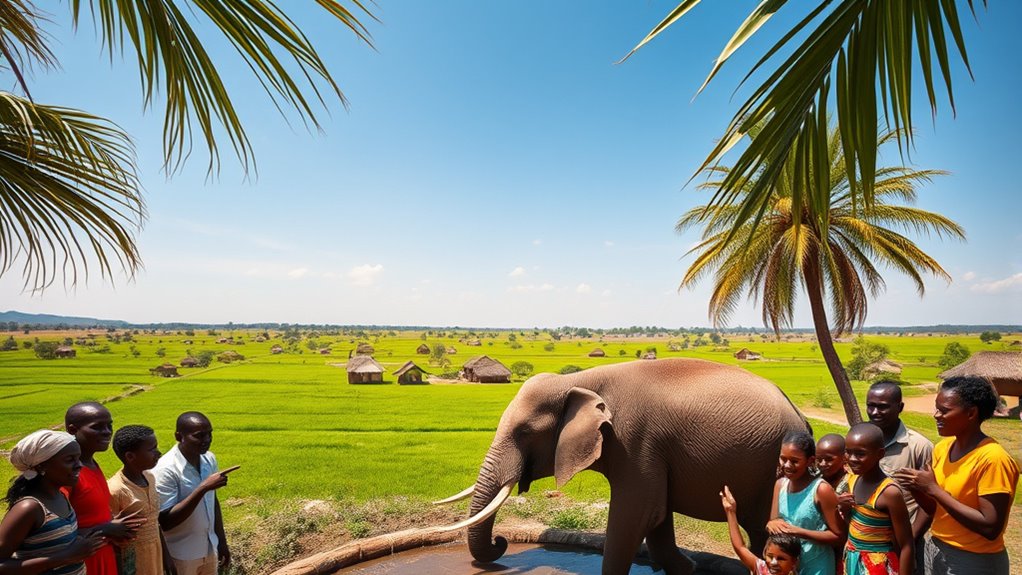
Community-based conservation is more than just a buzzword; it’s a powerful approach that engages local communities in the stewardship of their natural resources. When you think about conservation, you might picture scientists in lab coats or government officials making decisions from afar. But in community-based conservation, you’re at the heart of the action, working alongside your neighbors to protect the environment that sustains you. This method recognizes that local people often hold invaluable indigenous knowledge about their ecosystems, and it harnesses that wisdom to create effective conservation strategies.
By integrating eco tourism benefits into these initiatives, you can see tangible improvements in both wildlife preservation and community welfare. When you prioritize eco tourism, you’re not just attracting visitors; you’re creating a sustainable economic model that incentivizes conservation. Tourists are drawn to the unique flora and fauna that exist in your region, and their desire to experience this natural beauty provides the community with an income source. You might find that by offering guided tours, nature walks, or cultural experiences, you can generate revenue that goes directly back into conservation efforts.
Integrating eco tourism into conservation initiatives fosters wildlife preservation and strengthens community welfare through sustainable economic models.
This creates a positive feedback loop: as you educate visitors about the importance of preserving natural habitats, you’re also investing in your community’s future. The more successful your eco tourism ventures become, the more resources you have to protect the wildlife and landscapes that draw tourists in the first place. You’re not only preserving the environment but also building a robust local economy.
Your indigenous knowledge plays an essential role in this process. You understand the rhythms of the land and the intricacies of local ecosystems—insights that outsiders might overlook. By sharing this knowledge with tourists, you’re not just showcasing your culture; you’re fostering a deeper appreciation for the environment. When visitors learn about traditional practices and sustainable living from you, they’re more likely to support conservation efforts, both during their visit and long after they’ve returned home. Additionally, the benefits of eye patch effectiveness can serve as a reminder that small, consistent efforts can lead to significant improvements in both personal care and environmental conservation.
In essence, community-based conservation empowers you and your neighbors to take control of your environment. By combining your unique insights with eco tourism benefits, you create a model that’s sustainable, beneficial to wildlife, and economically viable. It’s about building a future where both people and nature thrive—together. This approach not only protects what you cherish but also guarantees that future generations can enjoy the same wonders you do today.
Frequently Asked Questions
How Can I Get Involved in Community-Based Conservation Projects?
You can get involved in community-based conservation projects by seeking out local volunteer opportunities that focus on wildlife protection and habitat restoration. Check with organizations in your area that promote these initiatives, as they often need passionate individuals like you. Additionally, look into funding sources, such as grants or community fundraising events, that support these projects. Engaging with local conservation groups can help you find ways to contribute effectively.
What Are the Main Benefits of Community-Based Conservation for Local Communities?
Community-based conservation plants seeds of hope in local communities, offering eco-tourism benefits that can blossom into sustainable income. You’ll find that these projects not only provide financial stability but also nurture cultural preservation, allowing traditions to flourish alongside nature. As you engage with nature, you’re connecting with your heritage, fostering pride and unity within the community. Ultimately, these initiatives empower you, creating a harmonious balance between the environment and local livelihoods.
Are There Any Successful Case Studies of Community-Based Conservation?
Yes, there are several successful case studies of community-based conservation. For example, in Namibia, local communities have effectively used indigenous knowledge to enhance wildlife management. They’ve established communal conservancies that empower locals to protect their resources while benefiting economically from tourism. In Kenya, the Maasai have integrated traditional practices with modern conservation strategies, successfully maintaining wildlife populations and improving their livelihoods. These examples highlight the power of community involvement in sustainable conservation efforts.
How Does Community-Based Conservation Impact Local Economies?
Community-based conservation boosts local economies by promoting sustainable economic development and effective resource management. When you engage communities in conservation efforts, you’re creating jobs in ecotourism, guiding, and sustainable agriculture. This approach fosters a sense of ownership and responsibility, ensuring that locals benefit directly from their environment. Think of it as a modern-day gold rush, where the treasure lies in preserving nature while enhancing livelihoods, ultimately leading to healthier ecosystems and prosperous communities.
What Role Do Indigenous Practices Play in Conservation Efforts?
Indigenous practices play a crucial role in conservation efforts by integrating traditional knowledge with modern strategies. You’ll find that these practices often emphasize sustainable resource use, reflecting a deep respect for cultural heritage. By valuing local wisdom, you can enhance biodiversity and promote ecosystem health. Engaging indigenous communities fosters a sense of stewardship, ensuring that conservation initiatives are effective and culturally relevant, ultimately benefiting both people and the environment.
Conclusion
In community-based conservation, you empower people and protect wildlife, fostering harmony between nature and society. You nurture stewardship and promote sustainability, recognizing that thriving ecosystems rely on engaged communities. By valuing local knowledge and fostering collaboration, you create a future where both people and wildlife flourish. When you stand together for conservation, you not only safeguard the environment but also enrich lives. In this partnership, every action counts, every voice matters, and every effort leads to lasting change.