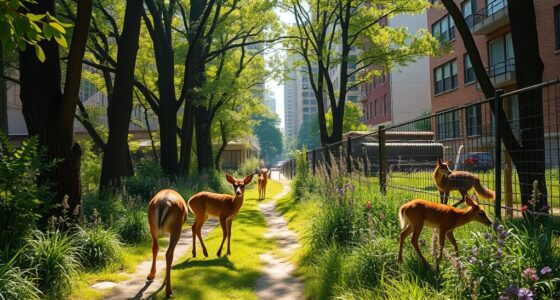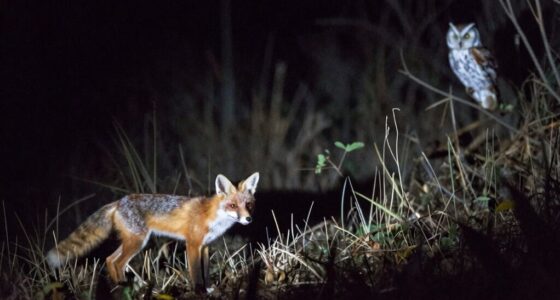
Feeding wild animals in neighborhoods creates dependency, making them stop searching for natural foods like insects or berries. This weakens their foraging skills, leaving them vulnerable during winter or droughts. It can also cause health issues, increase conflicts with humans, and lead to vehicle collisions or property damage. When animals become accustomed to easy meals, they lose their natural behaviors and become more dangerous or problematic. If you want to learn more about how this impacts your community, keep exploring the details.

Get pet supplies delivered free — and shop member deals
- Fast, free delivery on millions of items
- Access to Prime Big Deal Days deals on October 6–7
- Prime Video, Amazon Music and more included
Key Takeaways
- Feeding wildlife causes dependency, reducing their natural foraging skills and increasing vulnerability during shortages.
- Human food can harm animals’ health, leading to obesity, digestion issues, and disease susceptibility.
- Habituated animals often invade neighborhoods, causing property damage and increasing human-wildlife conflicts.
- Food dependency raises the risk of vehicle collisions as animals search for easy meals on roads.
- Education and management strategies are essential to prevent habituation and promote healthy ecosystems.
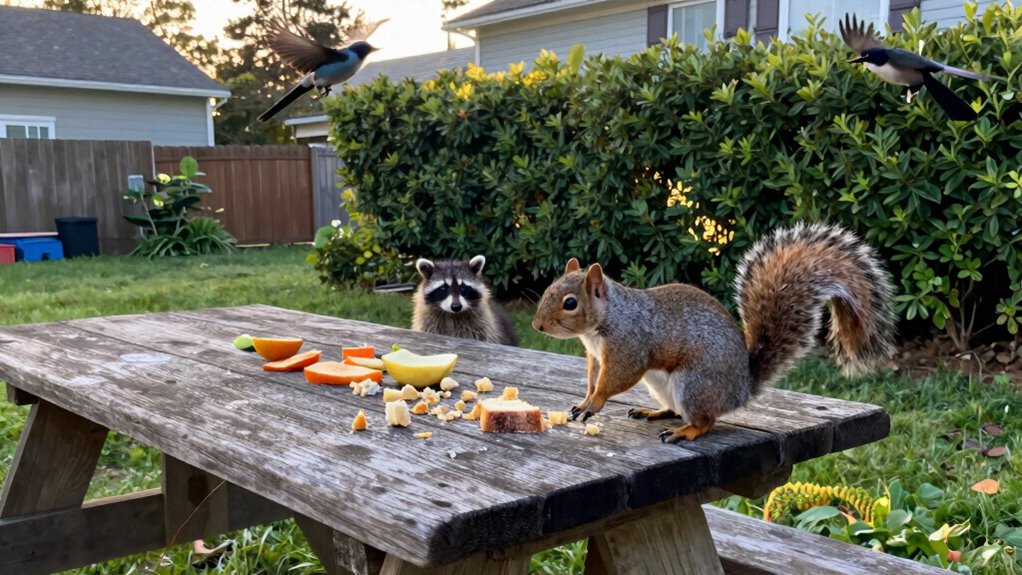
One of the biggest issues with feeding wild animals is the development of food dependency. When animals rely on handouts, they stop searching for their natural foods, such as berries, insects, or small prey. This reliance weakens their ability to forage independently, which can be dangerous during times when food is scarce. For example, during winter or droughts, animals that have become dependent on human-provided food might struggle to find enough nourishment, leading to malnutrition or starvation. Their natural foraging skills diminish, and they become less equipped to fend for themselves. Moreover, this food dependency can lead to behavioral changes that make animals more likely to approach humans in search of easy meals. Additionally, feeding wildlife can unintentionally cause health problems. Human food isn’t suitable for wild animals and can cause digestive issues, obesity, or other health complications. When animals consume processed or inappropriate foods, it disrupts their diets and can lead to long-term health issues. This not only affects individual animals but can also impact local populations, especially if weakened animals are more susceptible to disease or predation. Furthermore, feeding wild animals can increase conflicts with neighbors. If animals become accustomed to being fed, they may start frequenting yards more often, rummaging through trash, or damaging property in search of food. This can lead to complaints, increased pest control efforts, or even dangerous encounters. Additionally, animals habituated to humans are at greater risk of vehicle collisions, especially if they venture onto roads in search of easy meals. Proper wildlife management practices are essential to prevent these negative outcomes and protect both animals and communities. Implementing educational programs about the risks of feeding wildlife can help communities understand the importance of maintaining natural behaviors in animals. Promoting awareness about habituation is also crucial to reducing human-wildlife conflicts. Recognizing the importance of natural behaviors can help foster healthier ecosystems and safer neighborhoods.
As an affiliate, we earn on qualifying purchases.
Frequently Asked Questions
Are There Legal Consequences for Feeding Wild Animals?
Yes, there are legal implications for feeding wild animals. Wildlife regulations often prohibit feeding certain species because it can disrupt their natural behaviors and create safety risks. If you ignore these laws, you could face fines or other penalties. By understanding local wildlife regulations, you help protect animals and your community. It’s best to avoid feeding wild animals altogether to prevent legal issues and preserve their natural habits.
How Can I Discourage Animals From Approaching My Yard?
Did you know that habitat modification can reduce wildlife visits by up to 80%? To discourage animals from approaching your yard, use wildlife deterrents like motion-activated sprinklers or lights. Remove food sources, secure trash cans, and clean up fallen fruits or seeds. Creating less inviting habitat by trimming bushes and removing dense cover helps animals find natural environments elsewhere, making your yard less attractive and encouraging wildlife to stay away.
What Are Natural Alternatives to Feeding Wild Animals?
You can use habitat preservation to naturally discourage wild animals from approaching your yard by maintaining native plants and avoiding clutter that attracts them. Eco-friendly deterrents, like motion-activated sprinklers or natural repellents such as garlic or pepper sprays, also help keep animals at bay without harm. These methods respect wildlife and promote healthy ecosystems, making your yard less appealing and encouraging animals to stay in their natural habitats.
Do Certain Foods Harm Specific Wild Species?
Yes, certain foods can harm specific wild species. Feeding animals inappropriate foods can cause nutritional deficiencies, leading to health problems. For example, bread can cause malnutrition in birds, and processed foods may harm mammals. Additionally, offering the wrong foods increases the risk of disease transmission among animals, as they may ingest contaminated or unsuitable items. To protect wildlife, avoid feeding them processed or human foods and stick to natural diets.
How Does Feeding Affect Wild Animal Behaviors Long-Term?
Feeding wild animals can alter their behaviors long-term by encouraging dependency on human food, which may reduce their natural foraging skills. This often leads to habitat alteration, as animals congregate in human areas, disrupting local ecosystems. Additionally, increased proximity increases disease transmission risks, making animals more vulnerable to illnesses. Over time, these changes can diminish their survival skills and disrupt the balance of their natural habitats.
Conclusion
So, next time you toss out that extra snack to a curious squirrel or leave bread for the birds, remember—you’re inviting chaos into your peaceful neighborhood. Ironically, in trying to help, you might be fueling a wildlife invasion that’s harder to control than a garden pest. Instead of becoming an unwitting host, consider letting nature take its course. After all, the wild animals you feed today might be the troublemakers of tomorrow’s neighborhood.
Fall Picks
fall essentials
As an affiliate, we earn on qualifying purchases.