Freshwater conservation’s vital for healthy rivers, effective dam management, and efficient fish passage systems. By supporting sustainable practices, you help protect aquatic ecosystems and maintain biodiversity. You can participate in local clean-up events, advocate for pollution reduction, and promote fish passage initiatives that restore natural river flows. Every action you take, like conserving water at home, contributes to a larger impact. There’s much more to discover about how you can get involved and make a difference.
Key Takeaways
- Freshwater conservation is vital for maintaining community well-being and supporting diverse aquatic ecosystems essential for ecological balance.
- Water pollution from everyday activities harms aquatic life, highlighting the need for pollution reduction and sustainable practices.
- Dams provide benefits like flood control but can disrupt river systems; removing obsolete dams can restore natural flow and improve habitats.
- Fish passages are crucial for enabling fish migration and breeding, enhancing biodiversity and ecosystem health through effective conservation efforts.
- Community engagement in clean-up events and water conservation practices fosters awareness and supports broader sustainability initiatives for freshwater resources.
Freshwater Conservation
As the world faces increasing water scarcity, it’s essential to recognize your role in freshwater conservation. Freshwater resources are dwindling, and every action you take can make a difference. Protecting rivers, lakes, and wetlands is fundamental not just for your community but for the health of the planet. Freshwater systems support diverse aquatic ecosystems, which, in turn, provide necessary services like water purification and habitat for countless species.
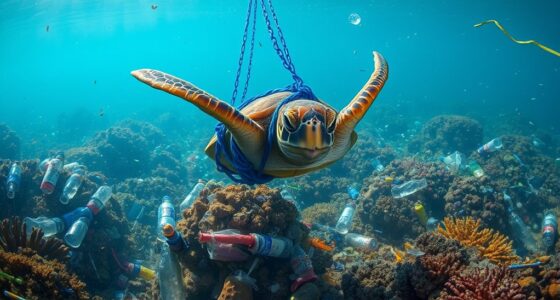
You might not realize it, but your everyday choices contribute considerably to water pollution. From the chemicals in household cleaners to the waste generated in your kitchen, pollutants can easily find their way into local water bodies. When you choose eco-friendly products or even just reduce your consumption, you’re taking steps to minimize pollution. It’s important to remember that water pollution doesn’t just affect the water you drink; it impacts the entire ecosystem. Fish and other aquatic life suffer when their habitats are compromised, which can lead to a cascading effect throughout the food chain.
Your daily choices impact water pollution; opting for eco-friendly products can protect aquatic ecosystems and promote a healthier environment.
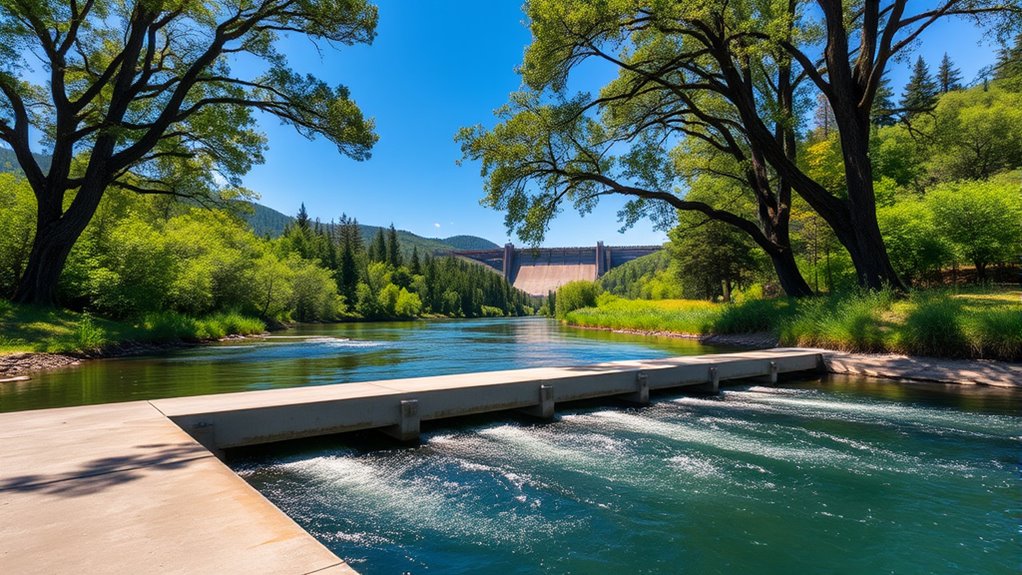
As you consider freshwater conservation, think about the role of rivers and dams. While dams can provide necessary benefits like flood control and hydroelectric power, they also disrupt natural river systems. When you support efforts to create fish passages or remove obsolete dams, you’re helping to restore these essential waterways. Fish passages allow fish to migrate and breed, maintaining healthy populations and preserving biodiversity. By advocating for these solutions, you’re making a positive impact on both the environment and local communities that depend on these resources. Additionally, exploring portable camping toilets can help minimize pollution during outdoor activities, as they provide a convenient waste disposal solution.
Moreover, engaging with your local community can amplify your efforts. Participate in clean-up events, support policies aimed at reducing water pollution, and educate others about the importance of freshwater ecosystems. Change begins with awareness, and by sharing your knowledge, you help foster a culture of conservation.
You might also explore ways to conserve water at home. Simple adjustments like fixing leaks, using water-efficient fixtures, and collecting rainwater can greatly reduce your water footprint. Every drop counts, and your proactive measures can contribute to the larger goal of sustainability.
In short, your actions matter. Whether through reducing pollution, supporting river conservation projects, or simply being mindful of water use, you play an indispensable role in freshwater conservation. By embracing this responsibility, you help guarantee that future generations can enjoy the beauty and benefits of our precious freshwater ecosystems.
Frequently Asked Questions
How Do Climate Change and Freshwater Conservation Relate?
Climate change and freshwater conservation are deeply interconnected. You need effective water management strategies to build climate resilience, ensuring that freshwater resources can withstand changing conditions. By conserving freshwater ecosystems, you support biodiversity and enhance natural systems that regulate water cycles. This way, you’re not just protecting water quality but also adapting to climate impacts. Prioritizing freshwater conservation helps mitigate climate change effects, ensuring a sustainable future for both people and ecosystems.
What Role Do Indigenous Communities Play in Freshwater Conservation?
Indigenous communities play a crucial role in freshwater conservation through their deep-rooted knowledge and cultural practices. You’re likely to see how Indigenous stewardship emphasizes sustainable management of water resources, fostering biodiversity and ecosystem health. By integrating traditional ecological knowledge with modern conservation efforts, they help protect essential waterways. Engaging with these communities can enhance your understanding of the interconnectedness of nature and the importance of preserving freshwater resources for future generations.
How Can Individuals Contribute to Freshwater Conservation Efforts?
You can be a drop in the ocean of change by actively engaging in community involvement for water conservation. Join local clean-up events, advocate for sustainable practices, and educate others about the importance of preserving our freshwater resources. Each small action contributes to a larger wave of impact, helping to protect essential ecosystems. By working together, you can guarantee future generations enjoy clean, abundant water. Your efforts matter—make them count!
What Are the Economic Impacts of Dam Construction on Local Communities?
Dam construction can boost economic development in local communities by providing new employment opportunities. You’ll often see jobs created in construction, maintenance, and operation of the dam. Additionally, improved infrastructure can attract businesses, increasing local revenue. However, it’s vital to take into account potential downsides, like displacement of residents or environmental impacts, which might offset some benefits. Balancing these factors is essential for sustainable growth and ensuring long-term prosperity for the community.
How Are Freshwater Ecosystems Monitored and Assessed for Health?
You’ve got a front-row seat to the drama of freshwater ecosystems! Monitoring their health isn’t just a hobby; it’s a full-time job. Water quality tests measure the chemical cocktail, while biodiversity assessments count species like a quirky game of hide-and-seek. You’ll find scientists on the hunt for indicators, like fish and plants, ensuring everything’s in tip-top shape. So grab your lab coat and join the fun—health checks never looked so exciting!
Conclusion
In the grand scheme of things, freshwater conservation is essential for our rivers, ecosystems, and fish populations. By championing sustainable practices and supporting fish passage initiatives, you’re not just protecting the environment; you’re also ensuring future generations can enjoy these necessary resources. Remember, every little bit helps, and working together, we can make a significant impact. So, let’s roll up our sleeves and plunge into action—because a healthy planet benefits us all!