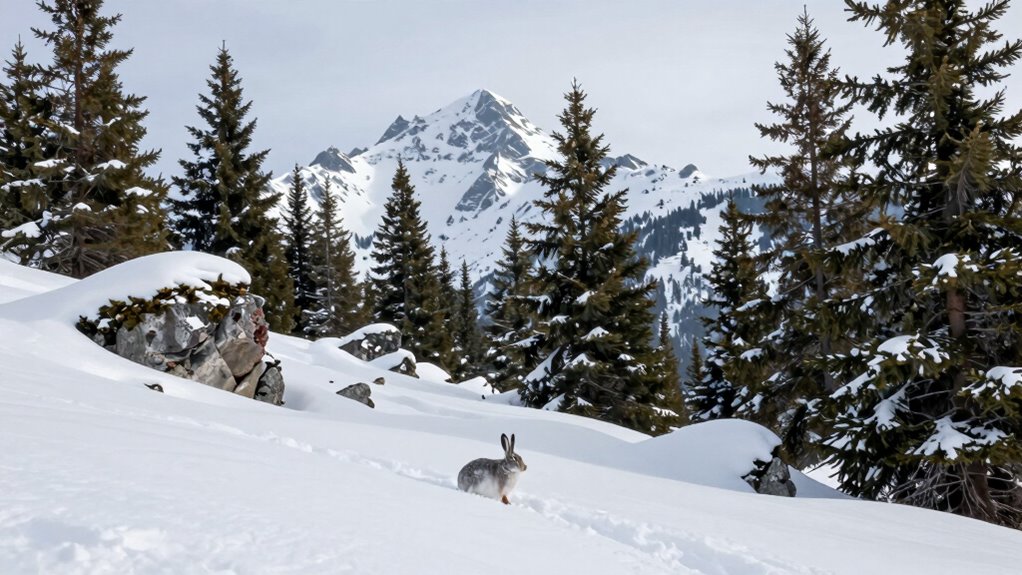

Changes in snowpack can disrupt your mountain wildlife by shifting their migration timing, affecting access to food and shelter. Early melts may cause animals to arrive too soon at breeding grounds, while delayed snow cover leaves them without food during critical periods. Snowpack variability also damages habitats for burrowing animals and alters ecosystems, risking species decline. To see how these shifts can impact wildlife and ecosystems more deeply, keep exploring this important topic.

Get pet supplies delivered free with Prime
- Fast, free delivery on millions of items
- Prime Video, Amazon Music and more included
- Member-only deals all year
Key Takeaways
- Altered snowpack timing disrupts migration patterns, leading to mismatched breeding and food availability.
- Variations in snow insulation affect plant growth, impacting herbivores’ access to food.
- Inconsistent snow cover changes habitats for burrowing animals, increasing mortality risks.
- Snowpack fluctuations influence soil moisture and ecosystem stability, threatening biodiversity.
- Habitat fragmentation and altered conditions necessitate adaptive conservation strategies for mountain wildlife.

As snowpack levels fluctuate, mountain wildlife face increasingly unpredictable conditions that threaten their survival. The changing snowpack impacts their ability to find food, breed, and migrate effectively. One of the most immediate effects is on seasonal migration. Many animals depend on predictable snow patterns to time their movements. When snow melts earlier or arrives later than usual, animals may arrive at breeding grounds or food sources too early or too late. This mismatch can cause starvation or reduce reproductive success, especially for species that rely on precise timing to maximize survival. For example, elk and deer often migrate to higher elevations in the summer to access fresh forage, but if snowpack melts prematurely, they might start their journey too early or too late, putting them at risk of lacking the nutritious plants they need. Changes in snowpack also influence the availability of essential habitat conditions, which are crucial for the survival of many mountain species. These habitat shifts can also lead to increased competition for limited resources among wildlife populations. Additionally, altered snowpack patterns can influence the migration cues that many animals depend on, further disrupting their natural behaviors. Recognizing these shifts is vital for understanding broader ecosystem impacts, including species interactions and overall biodiversity.
Food availability also takes a hit when snowpack changes. Snow acts as an insulator, protecting plants and soil from extreme cold and moisture loss. When snow melts too quickly, plants may begin growing earlier, but if subsequent cold snaps occur, it can damage new growth. Conversely, prolonged snow cover can delay plant emergence, leaving herbivores without essential food sources during critical times. As a result, animals such as mountain goats, marmots, and snowshoe hares may struggle to find enough nourishment, which affects their health and reproductive success. This disruption in food supply can ripple through the entire ecosystem, impacting predators that depend on these herbivores for sustenance. Additionally, the altered snowpack patterns can disrupt the timing of plant emergence, further complicating animals’ ability to adapt to changing conditions. Moreover, changes in snowpack can also influence soil moisture levels, affecting the growth of native plants that form the foundation of mountain ecosystems. Furthermore, the variability in snowpack can lead to erosion and habitat degradation, which further threatens plant and animal communities.
You also need to reflect on how snowpack variations influence shelter and habitat. Animals that burrow or rely on snow for insulation find their homes compromised when snowpack is inconsistent. Thinner snow layers mean less insulation, exposing animals to harsher winter conditions and increasing mortality rates. Conversely, excessive snow can create barriers, making movement and foraging more difficult. These habitat alterations force animals to adapt quickly or face decline. When food sources become scarce or inaccessible due to snowpack shifts, animals may be forced to migrate longer distances or face starvation, further stressing populations. Maintaining resilient habitats that can withstand snowpack variability is essential for supporting mountain wildlife in changing climates. Recognizing these habitat vulnerabilities is key to developing conservation strategies that promote ecosystem stability amidst climate change. Additionally, habitat fragmentation resulting from changing snow conditions can hinder wildlife movement and gene flow, further threatening population health.
As an affiliate, we earn on qualifying purchases.
Frequently Asked Questions
How Do Snowpack Changes Influence Mountain Plant Growth?
You’ll notice that snowpack changes directly influence mountain plant growth by altering soil stability and plant phenology. When snow melts earlier or later, it impacts soil moisture and nutrient availability, affecting seed germination and flowering times. Reduced snowpack can lead to soil erosion, making it harder for plants to establish roots. These shifts disrupt the natural timing of plant life cycles, ultimately affecting the entire mountain ecosystem.
What Is the Impact on Mountain Bird Migration Patterns?
You’ll notice that snowpack changes profoundly impact mountain bird migration patterns. Studies show that altered snowmelt timings can shift bird flight and migration timing by up to two weeks. When snow melts earlier, birds may arrive before food sources are available, disrupting their survival. These changes force birds to adapt their migration timing, but many may struggle to keep pace, risking declines in population and impacting the entire mountain ecosystem.
Are There Specific Species Most Vulnerable to Snowpack Variations?
You should know that snow-dependent amphibians are most vulnerable to snowpack variations because they rely on consistent snow cover for breeding and survival. Alpine predators, like snow leopards, also face risks as changing snow patterns affect prey availability and hunting grounds. These species struggle with unpredictable snow levels, which disrupt their life cycles and habitats, making them especially sensitive to snowpack fluctuations in mountain environments.
How Do Snowpack Changes Affect Mountain Water Quality?
You should know that nearly 75% of mountain stream flow comes from snowpack melt, directly impacting water quality. When snowpack melts prematurely or irregularly, it can lead to increased water contamination due to runoff carrying pollutants like pesticides and sediments. These changes threaten aquatic ecosystems, reduce water clarity, and compromise drinking water supplies downstream. Understanding this connection underscores the importance of maintaining stable snowpack levels for clean, reliable mountain water sources.
Can Snowpack Fluctuations Lead to Increased Wildlife Conflicts?
Yes, snowpack fluctuations can lead to increased wildlife conflicts. When snowpack decreases, wildlife habitat shrinks, forcing animals into closer proximity, which can disturb predator-prey dynamics. Predators may find it easier to hunt prey in limited areas, increasing conflicts with other species or even humans. These changes disrupt natural behaviors and can cause stress, competition, and injury among animals, ultimately impacting the delicate balance of mountain ecosystems.
Conclusion
So, if snowpack shrinks and shifts, your mountain wildlife faces a formidable future. Reduced snow means less shelter, fewer food sources, and a fragile balance disrupted. By understanding these changes, you can better protect and preserve their plight. Remember, every shift in snowpack sends a ripple through the rugged domain of mountain life—so stay vigilant, voice your concern, and support solutions that safeguard these silent, soaring species for generations to come.
Fall Picks
fall essentials
As an affiliate, we earn on qualifying purchases.





![Pentulive (Puppy Live) [Video]](https://aplaceforanimals.com/wp-content/uploads/2026/10/pentulive-puppy-live-video-featured-260x140.jpg)