
TL;DR

Get pet supplies delivered free with Prime
- Fast, free delivery on millions of items
- Prime Video, Amazon Music and more included
- Member-only deals all year
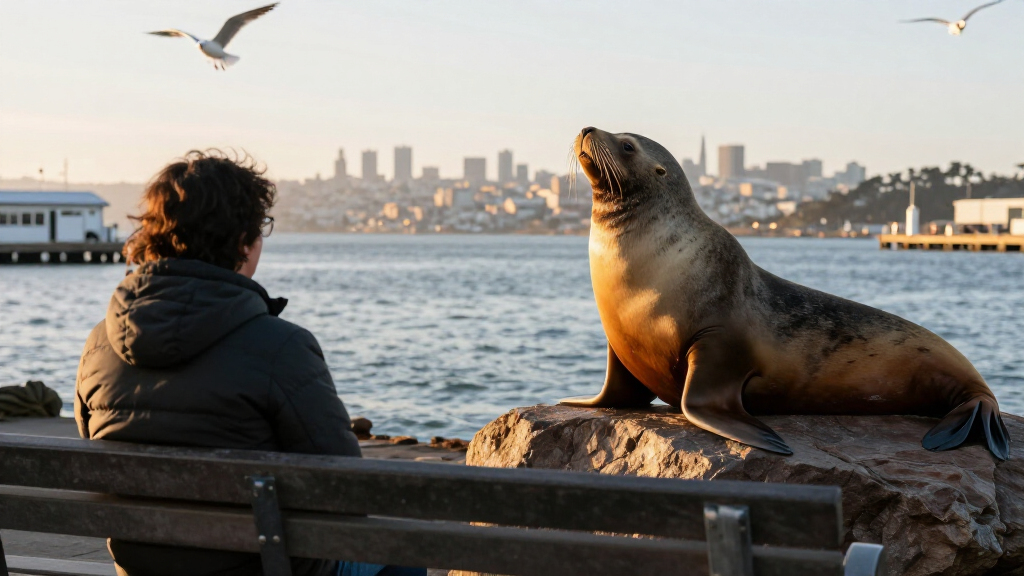
A large Steller sea lion was observed sunbathing at San Francisco’s Pier 39, raising questions about whether it is the famous Chonkers. Confirmed sightings are currently limited to this individual, with no official identification yet.
A large Steller sea lion was spotted sunbathing at Pier 39 in San Francisco, sparking widespread interest among locals and wildlife observers. The sighting has reignited speculation about whether this is the return of “Chonkers,” a well-known sea lion that captured public attention in recent years. Confirmed details are limited to the sighting itself, with no official identification or statement from wildlife authorities as of now.
The sea lion, estimated to be significantly larger than typical for its species, was observed lounging on the docks at Pier 39, a popular tourist destination in San Francisco. Witnesses described the animal as notably massive, with some suggesting it could be the long-missing “Chonkers,” a nickname given to a particularly large and beloved sea lion known for its size and frequent appearances at the pier. The sighting was reported by multiple witnesses and captured in photos circulating on social media.
Local wildlife experts and authorities have not yet confirmed the identity of the sea lion. The California Department of Fish and Wildlife (CDFW) has acknowledged the sighting but has not issued any official statement regarding the animal’s identity or its significance. The last confirmed sighting of Chonkers was several years ago, and the animal’s return, if confirmed, would be notable for local conservation and public interest.
Observers note that the sea lion appeared healthy and was sunbathing peacefully, a behavior typical of the species during warmer months. The animal’s size and demeanor have led to widespread speculation that it might be Chonkers, but no definitive proof has emerged.
Potential Return of a Local Icon
The sighting of a large sea lion at Pier 39 matters because it could indicate the return of “Chonkers,” a well-known figure among San Francisco residents and visitors. If confirmed, this would be a positive sign of the resilience of local marine life and could boost public interest in wildlife conservation efforts. Additionally, such sightings help researchers monitor the health and movements of sea lions along the California coast, which are considered a key indicator species for marine ecosystem health.
However, without official identification, the true significance remains uncertain. The event has also drawn attention to the importance of protecting urban marine habitats and understanding how these animals adapt to human-influenced environments.
As an affiliate, we earn on qualifying purchases.
Recent Trends in Sea Lion Sightings at Pier 39
San Francisco’s Pier 39 has long been a popular habitat for California sea lions, with large groups frequently seen lounging on the docks. These animals began to appear in significant numbers in the early 2000s, and their population has generally grown since then. The presence of sea lions at Pier 39 has become a symbol of urban wildlife coexisting with human activity.
The figure known as “Chonkers” gained popularity in recent years due to its remarkable size and frequent appearances, becoming a local mascot of sorts. Sightings of Chonkers have often attracted media attention, and the animal has become a fixture in the city’s wildlife narrative. The last confirmed sighting of Chonkers was several years ago, leading to speculation about its status.
Recent coverage, including a report by ABC7 Bay Area, indicates that interest in Chonkers has spiked, but authorities and experts have emphasized that there is no confirmed identification of the current sea lion as Chonkers. The current sighting is part of a broader pattern of high public interest in urban marine mammals, driven partly by social media and local news coverage.
Unconfirmed Identity and Significance of the Sighting
It is not yet clear whether the sea lion sighted is indeed “Chonkers” or another individual. Authorities have not verified the animal’s identity, and there are no recent tagging or tracking data to confirm its identity. The animal’s health, age, and origin remain unconfirmed, and it is uncertain whether this sighting indicates a return or simply a wandering individual.
Experts caution against jumping to conclusions, emphasizing that visual resemblance alone is insufficient for identification without further evidence, such as tagging data or genetic analysis.
Monitoring and Confirmation Efforts in Progress
Wildlife authorities and researchers are expected to conduct further monitoring, including possible tagging or photographic analysis, to determine the identity of the sea lion. Public reports and social media will likely continue to fuel speculation in the coming days.
Officials have also advised the public to maintain a respectful distance from the animal and avoid disturbing it, as it appears healthy and undisturbed at the moment. The next steps include verifying the animal’s identity and assessing its health and behavior to understand whether it is the same individual as “Chonkers” or a different sea lion.
Key Questions
Could this sea lion be the famous Chonkers?
It is currently unconfirmed. Sightings suggest it could be Chonkers due to its size, but authorities have not verified its identity.
Why is the sea lion’s return significant?
If confirmed as Chonkers, it would be a sign of the resilience of local marine life and could boost public interest in wildlife conservation efforts.
Are there safety concerns with the sea lion at Pier 39?
Wildlife officials have indicated that the animal appears healthy and is not exhibiting signs of distress, but visitors are advised to observe from a respectful distance.
What will authorities do next regarding this sighting?
Officials plan to monitor the animal, possibly conduct identification efforts, and provide updates as more information becomes available.
How common are sightings of large sea lions in San Francisco?
Large sea lions are common at Pier 39, but sightings of animals of this size are relatively rare and tend to attract attention when they occur.
Source: local
Halloween Picks
halloween
As an affiliate, we earn on qualifying purchases.