
TL;DR

Get pet supplies delivered free with Prime
- Fast, free delivery on millions of items
- Prime Video, Amazon Music and more included
- Member-only deals all year
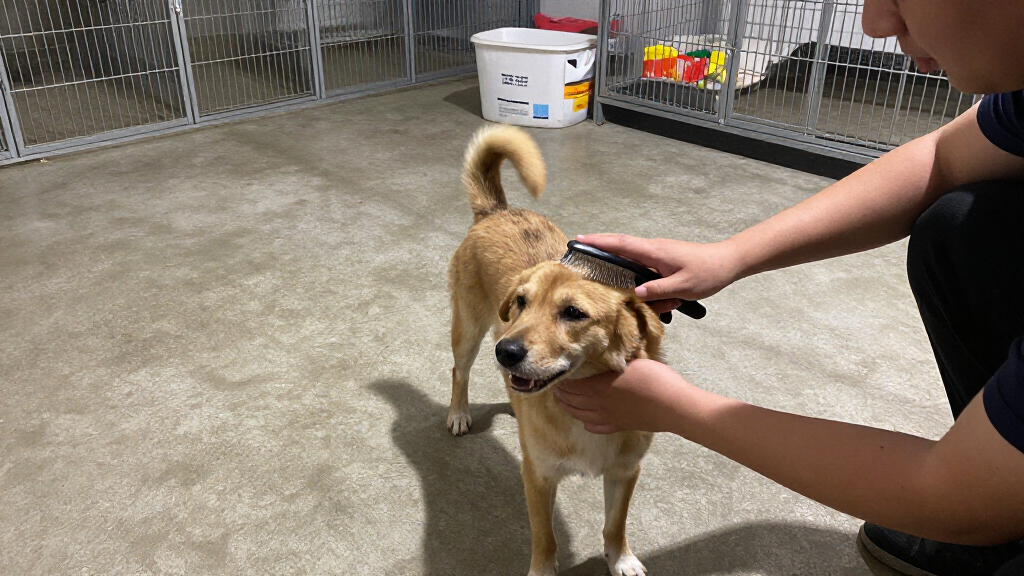
Community members and organizations in the Coachella Valley are working together to support no-kill animal shelters. This effort aims to reduce euthanasia rates and improve animal welfare through donations, volunteering, and advocacy.
Community members and local organizations in the Coachella Valley are actively supporting no-kill animal shelters, significantly contributing to a decline in euthanasia rates. This collective effort underscores a shift toward more humane animal welfare practices in the region, making it a notable development for local residents and animal advocates alike.
Multiple no-kill shelters in the Coachella Valley have reported increased community involvement through donations, volunteer work, and advocacy campaigns. According to representatives from the Desert Paws Animal Shelter, community donations have doubled over the past year, enabling the shelter to expand its capacity and care for more animals without resorting to euthanasia.
Local organizations like the Coachella Valley Animal Rescue and volunteer groups have organized outreach events, fostering a culture of community responsibility for animal welfare. Officials emphasize that this grassroots support is crucial to maintaining the no-kill philosophy, which prioritizes saving animals’ lives whenever possible.
Impact of Community Support on Animal Welfare in Coachella Valley
This community-led movement is transforming animal welfare in the Coachella Valley by drastically reducing euthanasia rates. Increased public engagement not only sustains no-kill shelters financially and operationally but also raises awareness about responsible pet ownership. The effort demonstrates how local residents can influence positive change, setting a precedent for other regions seeking humane solutions to pet overpopulation and shelter overcrowding.As an affiliate, we earn on qualifying purchases.
History and Growth of No-Kill Initiatives in the Region
The Coachella Valley has historically faced challenges with animal overpopulation and shelter overcrowding, leading to high euthanasia rates. Over the past decade, local shelters and advocacy groups have increasingly adopted no-kill policies, which prioritize saving animals and only euthanizing when absolutely necessary. Recent years have seen a surge in community involvement, driven by campaigns, increased funding, and volunteer efforts, culminating in a regional shift toward humane shelter practices.“Thanks to the community’s generous support, we’ve been able to save more animals than ever before and find them loving homes.”
— Maria Lopez, Director of Desert Paws Animal Shelter
Unresolved Challenges and Future Funding Needs
While community support has grown, it is still unclear whether it will be sufficient to sustain long-term operations of no-kill shelters amid rising animal intake and operational costs. Funding gaps and volunteer shortages remain potential obstacles, and the impact of broader regional policies on shelter capacity is yet to be determined.
Planned Initiatives and Community Engagement Strategies
Local shelters and advocacy groups plan to launch additional fundraising campaigns and expand volunteer programs in 2024. Officials aim to strengthen partnerships with local businesses and government agencies to ensure ongoing support. Monitoring the impact of these initiatives will be crucial in maintaining the region’s no-kill standards and further reducing euthanasia rates.
Key Questions
How has community involvement impacted no-kill shelters in the Coachella Valley?
Community involvement has increased donations, volunteer support, and awareness, enabling shelters to care for more animals without euthanasia and improving overall animal welfare.
What are the main challenges facing no-kill shelters in the region?
Funding limitations, volunteer shortages, and rising animal intake are ongoing challenges that could affect the sustainability of no-kill policies.
How can residents get involved in supporting no-kill shelters?
Residents can donate, volunteer, participate in outreach events, and advocate for policies that support humane animal care.
Are there any recent legislative changes supporting no-kill initiatives?
Specific legislative updates are still emerging, but regional policies increasingly favor humane treatment and funding for animal shelters.
What is the long-term outlook for no-kill shelters in the Coachella Valley?
With continued community support and strategic planning, shelters aim to sustain and expand no-kill practices, further reducing euthanasia rates over the coming years.
Source: rss
Fall Picks
fall essentials
As an affiliate, we earn on qualifying purchases.