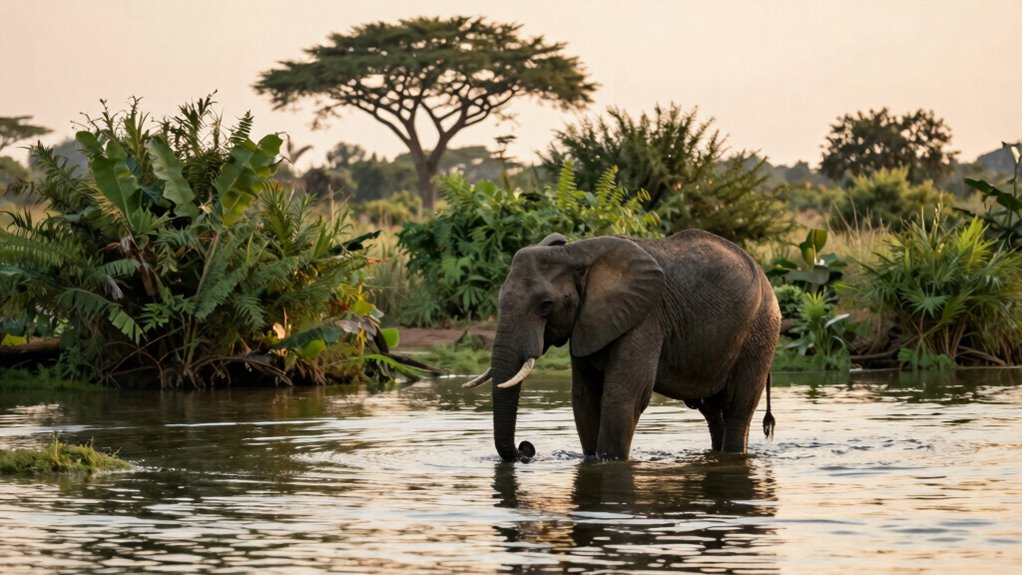
Responsible wildlife watching matters because it helps protect animals and their habitats while guaranteeing you enjoy authentic experiences. By respecting animals, observing from a safe distance, and following guidelines, you prevent stress and disruption to wildlife. This thoughtful approach supports healthy ecosystems and conservation efforts. If you continue exploring, you’ll discover more ways your actions can make a positive impact on nature and assure it thrives for future generations.

Get pet supplies delivered free with Prime
- Fast, free delivery on millions of items
- Prime Video, Amazon Music and more included
- Member-only deals all year
Key Takeaways
- It ensures wildlife encounters do not cause stress or disruption to animals and their habitats.
- Promotes conservation efforts by supporting protected areas and sustainable tourism practices.
- Helps maintain ecosystem health and biodiversity for future generations.
- Prevents habitat degradation and species displacement through responsible observation methods.
- Encourages a culture of respect and awareness among travelers and industry stakeholders.
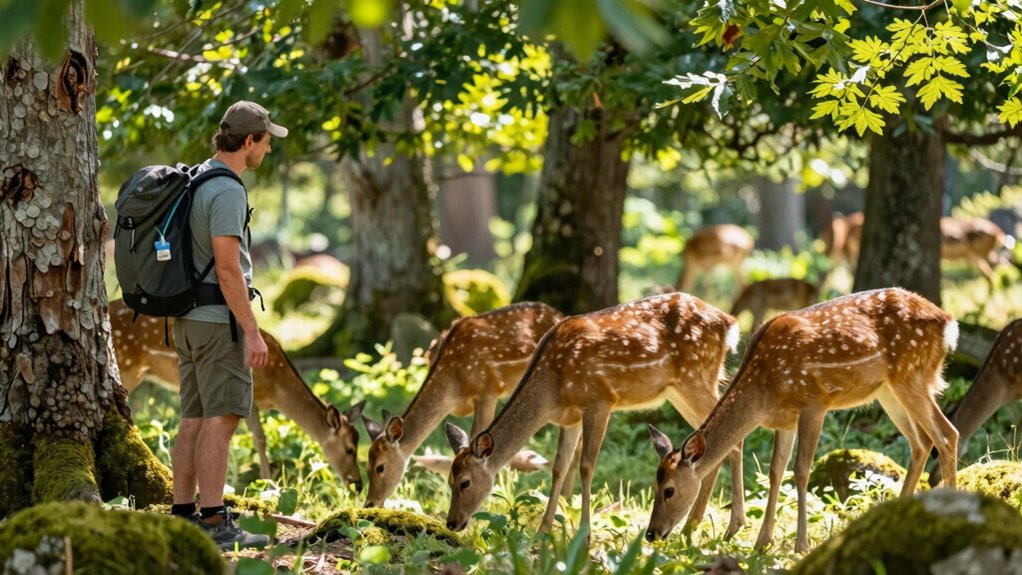
Have you ever wondered how your wildlife encounters can truly benefit both animals and ecosystems? When you engage in wildlife watching responsibly, you play a pivotal role in supporting healthy habitats and preserving species for future generations. Eco tourism ethics guide your actions, emphasizing respect for animals and their environments. By following these principles, you help guarantee that your presence doesn’t cause stress or disruption to wildlife behavior. It’s about observing from a distance, avoiding loud noises, and not feeding or touching animals, which can alter their natural routines. Your mindful behavior aligns with wildlife conservation policies that aim to protect vulnerable species and their habitats from harm caused by human activity. Recognizing the significance of biodiversity underscores how every species contributes to ecosystem health and resilience. Understanding the importance of responsible wildlife watching goes beyond just personal enjoyment. It involves recognizing the broader impact your actions have on ecosystems, including the importance of habitat preservation. When you adhere to eco tourism ethics, you support sustainable practices that minimize environmental footprints. This means choosing operators and guides committed to conservation, who prioritize the wellbeing of wildlife over profit. Such policies often include strict guidelines on where and how to observe animals, ensuring your presence doesn’t lead to habitat degradation or displacement of species. Additionally, promoting ethical tourism helps foster a culture of respect and conservation among travelers and industry stakeholders alike. By respecting these policies, you contribute to a balanced coexistence between humans and nature, fostering a culture of conservation rather than exploitation. Your role in promoting responsible wildlife watching extends to advocating for policies that protect natural habitats and promote ethical tourism. When you travel with awareness and respect, you set an example for others and encourage the industry to adopt more sustainable practices. Participating in regulated tours and supporting protected areas ensures that your visit aligns with conservation goals. These policies often involve limiting visitor numbers, establishing viewing platforms, and enforcing rules that prevent disturbance to wildlife. Incorporating conservation principles into your wildlife experiences can further enhance the positive impact of your visits. By doing so, they help maintain the integrity of ecosystems and safeguard the species that depend on them. Ultimately, your mindful approach to wildlife watching makes a tangible difference. It helps reduce negative impacts, supports conservation efforts, and promotes a deeper understanding of the importance of preserving biodiversity. When you act responsibly, you become a steward of the environment, ensuring that future generations can also experience the wonder of wildlife. Your choices, guided by eco tourism ethics and supported by wildlife conservation policies, are essential in fostering a sustainable relationship between humans and the natural world. In doing so, you not only enrich your own experiences but also contribute to the ongoing efforts to protect our planet’s precious wildlife.
As an affiliate, we earn on qualifying purchases.
Frequently Asked Questions
How Can I Identify Wildlife Species Responsibly?
To identify wildlife species responsibly, focus on ethical observation by keeping a respectful distance and avoiding disturbance. Use binoculars or a camera with a zoom lens for wildlife identification, and take notes or photos to help with later research. Stick to designated trails and avoid touching or feeding animals. By practicing ethical observation, you guarantee the animals’ safety and increase your chances of accurately identifying species without causing harm.
What Gear Is Best for Eco-Friendly Wildlife Watching?
Did you know that eco-friendly gear can reduce your environmental impact by up to 50%? For wildlife photography, choose biodegradable lens cleaning wipes, compact tripods made from recycled materials, and silent, low-impact cameras. These eco-friendly gear options help you capture stunning shots without disturbing animals or damaging habitats. By selecting sustainable equipment, you contribute to conservation efforts while enjoying responsible wildlife watching, ensuring nature’s beauty remains for future generations.
Are There Specific Times to Observe Wildlife Without Disturbance?
The best viewing times are early mornings and late evenings when animals are most active and less disturbed. During these times, you should practice quiet observation, moving slowly and minimizing noise to avoid startling wildlife. By choosing these periods, you allow animals to behave naturally without disruption, helping you enjoy authentic encounters while supporting responsible wildlife watching practices. Your patience and respectful approach make a positive difference.
How Does Wildlife Watching Benefit Local Communities?
You directly support local communities through wildlife watching, which boosts eco-tourism—generating over $600 billion globally. This activity encourages habitat preservation, ensuring animals thrive and ecosystems remain healthy. Your involvement fosters community engagement, creating jobs and promoting conservation awareness. By observing wildlife responsibly, you help sustain local economies and protect natural habitats, making every sighting meaningful for both wildlife and the communities that depend on them.
What Should I Do if I Encounter Distressed Wildlife?
If you encounter distressed wildlife, stay calm and keep your distance to avoid causing more stress. Observe their condition carefully and avoid trying to handle or feed them. If you notice signs of wildlife distress, contact local emergency response or wildlife rescue organizations promptly. They have the expertise to assess the situation and provide appropriate assistance, ensuring the animal’s safety and well-being without risking your safety.
Conclusion
So, next time you enthusiastically snap photos of wildlife, remember: your enthusiasm can harm the very creatures you’re trying to admire. Ironically, by rushing in with cameras and loud footsteps, you might be disturbing the animals’ peace more than any poacher ever could. Responsible wildlife watching isn’t just about protecting them; it’s about respecting their right to exist without human interference. After all, the best way to see wildlife is to leave it undisturbed—before it leaves you behind.
Halloween Picks
halloween
As an affiliate, we earn on qualifying purchases.