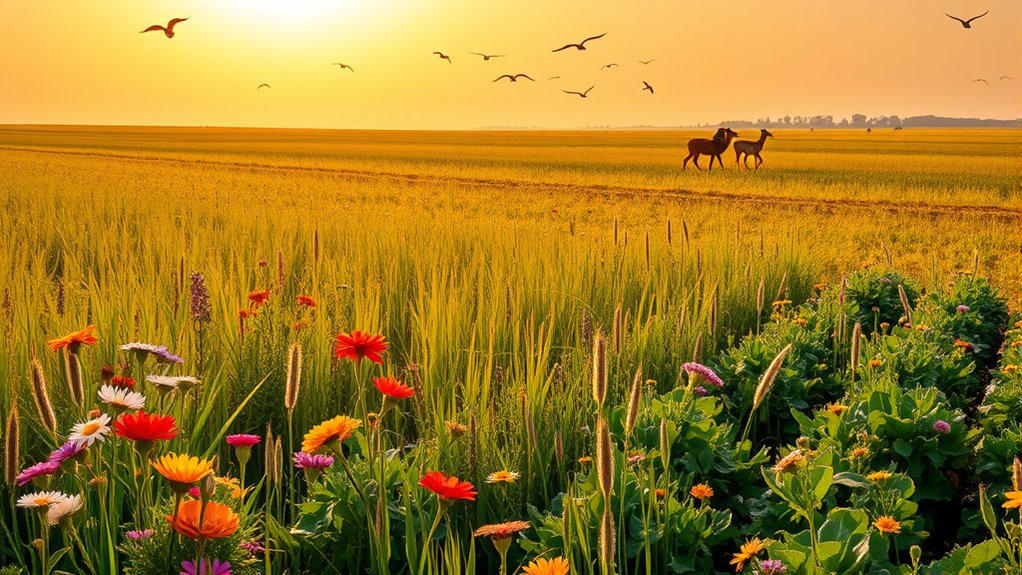
Wildlife-friendly farming supports local ecosystems and boosts crop productivity. You can start by creating pollinator habitats with native plants to attract bees and butterflies, which enhance pollination. Implementing eco-friendly pest management strategies, like introducing natural predators, minimizes chemical use and benefits wildlife. Cover crops improve soil health and reduce erosion while providing habitats for small creatures. These practices not only nurture your farm but also contribute to a sustainable environment. Explore how these methods can transform your agricultural approach.

Get pet supplies delivered free — and shop member deals
- Fast, free delivery on millions of items
- Access to Prime Big Deal Days deals on October 6–7
- Prime Video, Amazon Music and more included
Key Takeaways
- Wildlife-friendly farming enhances biodiversity by integrating native pollinator habitats, benefiting crops through improved pollination and ecosystem health.
- Eco-friendly pest management strategies reduce chemical pesticide use, promoting natural pest control and protecting beneficial wildlife.
- Utilizing cover crops improves soil health, prevents erosion, and fosters habitats for small wildlife, enhancing overall farm resilience.
- These practices create a balanced agricultural system that contributes to environmental sustainability and long-term farm productivity.
- Adopting wildlife-supportive practices fosters a thriving ecosystem, benefiting both agricultural success and ecological integrity.

As you explore the world of agriculture, you might find that wildlife-friendly farming offers a sustainable way to cultivate crops while supporting local ecosystems. This approach not only benefits your farm but also enhances biodiversity in the surrounding environment. By adopting practices that encourage wildlife, you can create a thriving agricultural system that aligns with nature.
One of the key elements of wildlife-friendly farming is the establishment of pollinator habitats. These habitats provide essential resources for bees, butterflies, and other pollinators that are critical to crop production. When you plant native flowers, shrubs, and trees around your fields, you attract these beneficial insects, which in turn help increase your crop yields. Not only do they assist in pollination, but they also contribute to a healthier ecosystem by promoting genetic diversity among plants. By incorporating pollinator habitats into your farming practices, you’re not just enhancing your productivity; you’re also nurturing the environment.
Establishing pollinator habitats boosts crop yields and promotes a healthier ecosystem, nurturing both productivity and the environment.
In addition to supporting pollinators, effective pest management strategies are essential for wildlife-friendly farming. Instead of relying solely on chemical pesticides, you can explore various eco-friendly alternatives that minimize harm to beneficial species. For instance, introducing natural predators—such as ladybugs or lacewings—can help keep pest populations under control without damaging the surrounding wildlife. You can also practice crop rotation and intercropping, which disrupt pest life cycles and reduce the need for chemical interventions. These strategies not only safeguard your crops but also maintain the health of the ecosystem.
Moreover, incorporating cover crops into your farming system can be beneficial. Cover crops help prevent soil erosion, improve soil health, and provide habitats for small wildlife. When you plant cover crops during the off-season, you create a more diverse landscape that supports various species and enhances soil fertility. This practice also reduces the need for synthetic fertilizers, as the natural nutrients released from cover crops can nourish your main crops.
Ultimately, wildlife-friendly farming isn’t just about protecting wildlife; it’s about creating a balanced agricultural system that benefits you and the environment. By implementing practices that enhance pollinator habitats and utilize innovative pest management strategies, you’re contributing to a sustainable future. This approach fosters resilience in your farming operations and ensures that you’re doing your part to protect the planet. As you embrace these practices, you’ll find that a healthy farm goes hand in hand with a thriving ecosystem, creating a win-win for both you and nature. Additionally, adopting eco-friendly alternatives in your farming practices can significantly reduce the environmental impact of agriculture.
wildlife-friendly pollinator habitat plants
As an affiliate, we earn on qualifying purchases.
As an affiliate, we earn on qualifying purchases.
Frequently Asked Questions
How Can I Transition My Farm to Wildlife-Friendly Practices?
To shift your farm to wildlife-friendly practices, start by focusing on habitat restoration. Plant native vegetation and create diverse habitats that attract beneficial wildlife. For pest management, use organic methods like introducing natural predators or planting pest-repelling plants. Avoid harmful pesticides that can disrupt local ecosystems. Regularly monitor your farm’s biodiversity and adapt your practices as needed. By making these changes, you’ll support wildlife while enhancing your farm’s resilience and productivity.
What Financial Incentives Are Available for Wildlife-Friendly Farming?
You can explore several financial incentives for wildlife-friendly farming, like government grants that support sustainable practices. These grants often help cover costs for implementing eco-friendly initiatives. Additionally, you might be eligible for tax benefits that reward conservation efforts on your land. By taking advantage of these opportunities, you can reduce your financial burden while promoting biodiversity on your farm. Don’t hesitate to research local programs that align with your goals!
Are There Specific Crops That Promote Wildlife Diversity?
You might be surprised to learn that certain crops can actually boost wildlife diversity. By planting native plants, you create a welcoming habitat for various species. These crops not only support local wildlife but also help establish habitat corridors, connecting fragmented ecosystems. Imagine watching butterflies flutter and birds nest nearby, all because of your thoughtful choices. So, next time you plant, consider those native species that can turn your farm into a thriving wildlife haven.
How Do Wildlife-Friendly Practices Affect Crop Yields?
Wildlife-friendly practices can positively affect crop yields by enhancing pest control and improving soil health. When you encourage natural predators, they help manage pest populations without chemical interventions, leading to healthier plants. Additionally, practices like cover cropping and reduced tillage boost soil health, promoting better nutrient retention and water infiltration. Overall, these methods create a more resilient farming system that can lead to increased yields and long-term sustainability for your crops.
What Resources Are Available for Farmers Interested in Wildlife Conservation?
If you’re interested in wildlife conservation, there are plenty of resources available. You can access local extension services, which often provide guidance on native species and habitat restoration. Nonprofit organizations also offer workshops and funding for conservation projects. Additionally, online platforms and forums connect you with other farmers sharing their experiences, tips, and best practices. Utilizing these resources can help you implement effective conservation strategies while enhancing your agricultural practices.
Conclusion
Incorporating wildlife-friendly farming practices isn’t just planting seeds in the soil; it’s sowing harmony between land and life. By embracing biodiversity, you’re cultivating a vibrant tapestry where crops and creatures thrive together. The benefits are clear: healthier ecosystems, improved soil quality, and a more sustainable future for all. So, as you till the earth, remember that every choice you make can nurture not just your farm, but the world around you, creating a flourishing habitat for generations to come.
Fall Picks
fall essentials
As an affiliate, we earn on qualifying purchases.